Transitioning from static brining to mechanical marination is a critical scaling threshold for commercial meat processors, jerky manufacturers, and food producers. Static marination creates frustrating bottlenecks on the production floor. You must allocate excessive cooler space for overnight soaking vats. You often face inconsistent flavor profiles across different batches. Furthermore, conventional soaking yields suboptimal product weights due to excessive drip loss during processing.
A vacuum tumbler machine directly solves these specific bottlenecks. It combines negative pressure and mechanical agitation. This dual action forces marinade deep into the cellular structure of proteins. You can reduce processing time from days to mere minutes. Simultaneously, you drastically increase product yield and overall profit margins. Understanding how this equipment functions helps you optimize your facility and scale your meat production operations effectively.
Key Takeaways
- Mechanism: Vacuum environments expand meat cellular structures, allowing the tumbling action to drive moisture and flavor deep into the muscle fibers.
- ROI Drivers: Primary returns come from increased retained yield (moisture retention), up to 90% faster marination times, and exact batch consistency.
- Evaluation Criteria: Choosing the right machine requires assessing true batch capacity (not just drum volume), vacuum pump durability, sanitation compliance (304 stainless steel), and programmable variable speed controls.
- Operational Reality: They require strict sanitation protocols and dialed-in resting cycles; over-tumbling can degrade protein textures.
The Core Mechanism: How a Vacuum Tumbler Machine Actually Works
To understand the processing advantages, we must look at the physical and chemical science behind the equipment. The operation relies on three primary forces working together. They transform raw proteins into fully marinated, high-yield products.
Negative Pressure (The Vacuum Effect)
Removing ambient air from the sealed drum creates a unique physical reaction. It expands the cellular structure of the meat. You can compare this to a dry sponge sitting in water. When you squeeze the sponge and let go, it rapidly absorbs the surrounding liquid. Negative pressure pulls oxygen out of the muscle tissues. This widens the gaps between meat fibers. Liquid marinade then rushes in to fill these newly created microscopic voids. The vacuum environment also prevents foaming. It stops oxidation during the mixing phase. This preserves the natural color and shelf life of your proteins.
Mechanical Agitation (The Tumbling)
Internal baffles drive the mechanical phase of the process. As the drum rotates, these specially designed fins lift the meat blocks. They carry the meat upward before gravity pulls it back down into the marinade pool. This continuous lifting and dropping causes muscle fibers to stretch safely. It creates gentle micro-tears across the tissue. These tiny tears open physical pathways for rapid liquid penetration. The continuous massaging action tenderizes tough cuts naturally. You achieve superior tenderness without relying entirely on chemical tenderizers or enzymes.
Protein Extraction (Myosin Release)
The combination of salt, liquid, and mechanical impact triggers a vital chemical outcome. The process draws salt-soluble proteins to the surface of the meat. The most important of these proteins is myosin. Extracted myosin acts as a highly effective natural binder. You will notice a sticky, tacky coating on the surface of properly tumbled meat. This sticky protein layer locks moisture inside the tissue. It prevents liquid purge during cooking or freezing. For producers making formed meat products like deli hams, extracted myosin is absolutely crucial. It binds separate muscle pieces together into a solid, sliceable block.
Measurable Production Outcomes vs. Static Marination
Upgrading from traditional static soaking to mechanical tumbling transforms your facility operations. You immediately notice changes in three key performance metrics.
Yield Expansion & Moisture Retention
Static marination often results in noticeable weight loss. Meat naturally expels moisture while resting in standard vats. We call this phenomenon drip loss. Conversely, vacuum tumbling generates substantial weight gain. The cellular expansion and myosin extraction lock the marinade into the meat. Producers typically see a 15% to 20% yield increase, depending on the specific protein type. You must always monitor local regulatory limits regarding allowable water weight. However, maximizing safe moisture retention directly multiplies your final sellable volume.
Time Compression
Traditional soaking requires significant time. Processing beef jerky often demands a 24-hour static soak. You must occupy valuable cooler space for an entire day. A tumbling system compresses this exact process into a 20 to 40-minute cycle. You achieve deeper flavor penetration in a fraction of the time. This rapid turnaround frees up floor space. It allows your facility to process multiple distinct batches in a single shift.
Standardization of Flavor
Static vats suffer from uneven distribution. Meat at the bottom sits under heavier pressure and absorbs more salt. Meat at the top often remains under-flavored. This "top-of-the-vat versus bottom-of-the-vat" discrepancy damages brand reputation. Mechanical tumbling eliminates this inconsistency entirely. The constant rotation ensures every single piece receives the exact same exposure to the marinade. You guarantee strict product consistency across all your commercial SKUs.
Comparison Chart: Static Soaking vs. Vacuum Tumbling
| Production Metric | Static Marination | Vacuum Tumbling |
| Processing Time | 12 to 48 hours | 20 to 60 minutes |
| Product Yield | Net loss (2-5% drip loss) | Net gain (10-20% retention) |
| Flavor Consistency | Highly variable | Exactly uniform |
| Footprint Efficiency | Requires large overnight coolers | High throughput in small spaces |
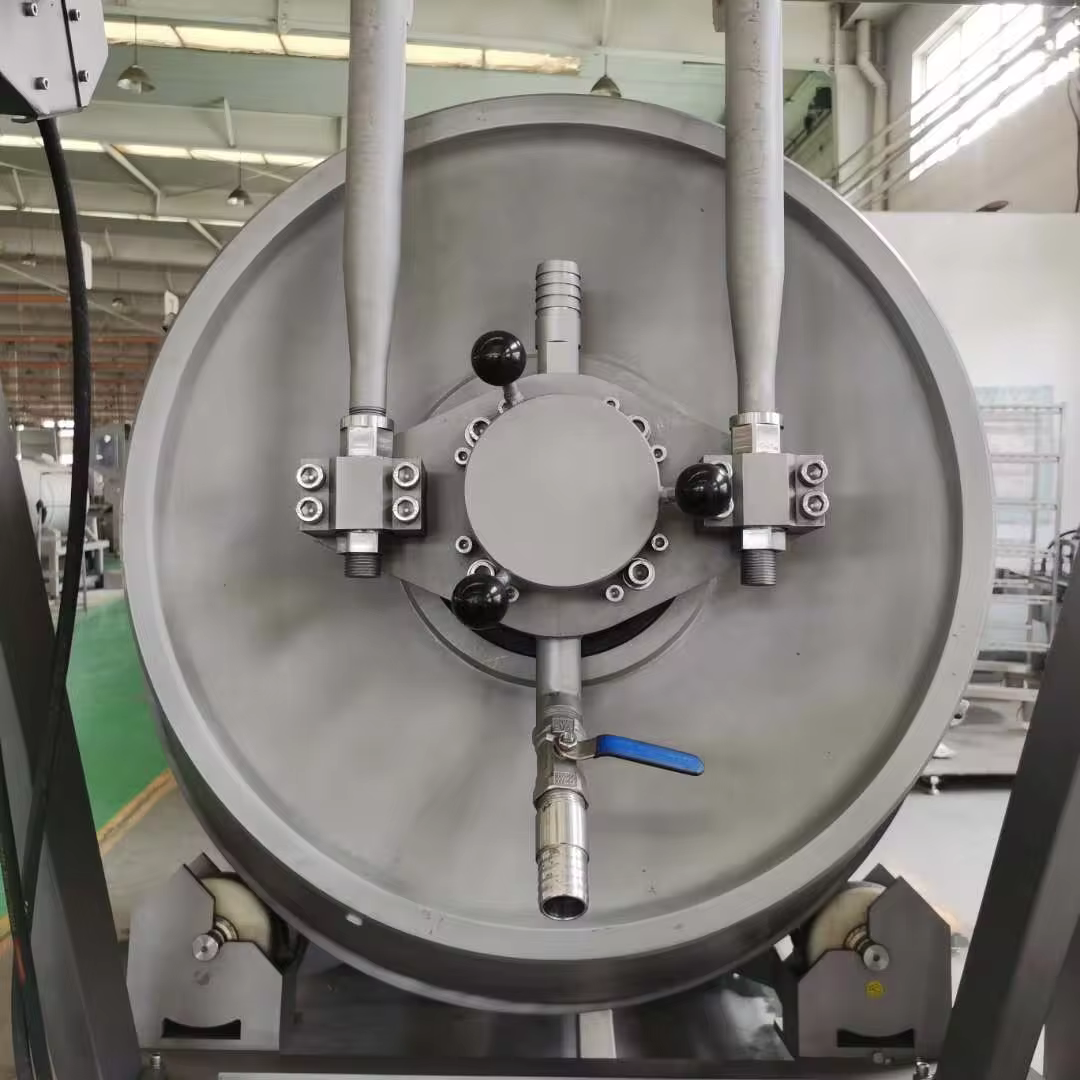
Hardware & Features: Evaluating Vacuum Tumblers for Your Facility
Selecting the right equipment requires analyzing specific hardware capabilities. Not all machines match every facility. You must evaluate these four critical dimensions before finalizing any equipment acquisition.
- Drum Capacity vs. Working Volume
Many buyers misunderstand capacity ratings. A 100-liter drum does not process 100 liters of meat. You must calculate the true working capacity. This typically ranges from 50% to 60% of the total drum volume. The remaining empty space allows the meat to lift and drop properly. If you overfill the drum, the meat simply slides around the bottom. You lose the mechanical drop impact completely.
- Vacuum Pump Architecture
You must choose between internal and external vacuum pumps. External pumps often provide easier access for routine maintenance. You must also evaluate liquid-trap necessities. Liquid traps prevent rogue marinade from entering the pump housing. Ingesting salty liquids will destroy a vacuum pump quickly. Rotary vane pumps offer excellent reliability for continuous commercial usage.
- Drive Systems & Controls
Delicate proteins require gentle handling. Poultry and seafood tear easily under aggressive agitation. You need a Variable Frequency Drive (VFD) to manage these products. A VFD allows you to lower the drum rotation to ultra-low speeds. You must also prioritize programmable rest cycles. Interval timers allow you to run the drum for ten minutes and rest it for five. This resting phase lets proteins absorb moisture without suffering excessive mechanical stress.
- Sanitation & Compliance
Commercial facilities face strict health inspections. Your equipment must feature continuous TIG welds. Spot welds leave tiny crevices where dangerous bacteria multiply. Electronics must carry an IP65 or higher washdown rating. This protects circuits during aggressive chemical cleaning. Finally, ensure the entire chassis utilizes food-grade 304 or 316 stainless steel construction to resist corrosion from heavy salt exposure.
Implementation Realities and Operational Risks
Every mechanical process carries inherent risks. A vacuum tumbler machine introduces new variables to your floor. Acknowledging these challenges ensures you maintain high product standards and pass safety audits.
The Risk of Over-Tumbling
More time does not equal a better product. Excessive rotation speed destroys delicate protein integrity. If you tumble premium steak cuts too long, you break down the muscle fibers completely. The meat turns into an unappealing, mushy texture.
- Common Mistake: Running a standard pork recipe on fragile fish fillets.
- Best Practice: Conduct extensive recipe testing on small batches. Document exact speeds, vacuum levels, and durations for every unique SKU.
Sanitation Bottlenecks
These machines feature complex internal geometries. You must clean the internal baffles thoroughly. You also have to sanitize the vacuum lines and flush the liquid traps daily. A machine that is difficult to sanitize creates a massive vulnerability. It will eventually fail health inspections. Worse, it may cause dangerous bacterial cross-contamination between different batches.
Temperature Control
Mechanical friction generates internal heat. As the meat drops and rubs against the steel walls, the batch temperature rises. Elevated temperatures encourage rapid bacterial growth. You must manage this thermal risk strictly. If you run long cycles, you might need a jacketed tumbler. Jacketed drums circulate glycol or chilled water through double walls to keep the meat cold. Alternatively, you must install the equipment inside a strictly climate-controlled processing room.
Commercial Use Cases: When Does the Investment Make Sense?
Different food sectors extract different value from this equipment. Matching the technology to your specific operational model dictates your ultimate success.
Commercial Jerky Production
Jerky manufacturers face a unique challenge. They need deep flavor penetration without over-hydrating the raw meat. If jerky holds too much water, the subsequent dehydration phase takes too long. Tumbling allows jerky makers to use concentrated, low-volume marinades. The negative pressure forces the thick seasoning into the beef quickly. They achieve maximum flavor without extending their drying times.
Wholesale Butchers & Value-Added Meat Packers
Consumers demand ready-to-cook convenience. Value-added packers generate high margins by providing pre-marinated products. They produce seasoned fajita strips, lemon-herb poultry breasts, and bourbon-glazed pork chops. Tumbling ensures these products look visually appealing in retail packaging. The sticky myosin coating keeps the spices firmly attached to the meat surface, preventing the marinade from pooling unappealingly at the bottom of the tray.
Small-to-Medium Enterprises (SMEs)
For growing processors, the ROI tipping point arrives quickly. SMEs struggle with high labor costs associated with manual vat mixing. When an SME upgrades to a mid-sized unit, they eliminate hours of manual labor. The combined labor savings and immediate yield increase generally pay for the capital expenditure within the first year of operation.
Use Case Summary Table
| Industry Segment | Typical Application | Primary Operational Benefit |
| Jerky Processors | Beef/Turkey strips | Deep flavor penetration with minimal excess water gain. |
| Wholesale Packers | Fajita meat, seasoned poultry | High moisture retention and excellent visual spice adhesion. |
| SME Butchers | Daily marinated retail cuts | Massive reduction in manual labor and cooler space. |
Conclusion
A vacuum tumbler machine serves as much more than just a simple marinator. It acts as a powerful yield-generation and standardization tool for your facility. It physically alters the meat structure to maximize absorption, speed up production, and eliminate batch inconsistencies.
When you start shortlisting equipment, you must base your decisions on realistic factors. Assess your daily throughput requirements accurately. Evaluate the fragility of the primary proteins you handle to determine necessary drive controls. Finally, rigorously inspect your facility washdown capabilities to ensure you can maintain sanitary lines.
To take the next step, begin calculating your current static-marinade drip loss. Quantify that wasted weight. Request detailed spec sheets from manufacturers. Always ask them to explain their vacuum trap designs clearly. Armed with these details, you can build a highly accurate, compelling ROI case for your operation.
FAQ
Q: How much marinade should I use in a vacuum tumbler?
A: Unlike static brining where meat floats in excess liquid, tumblers require precise absorption ratios. You typically use a marinade volume equal to 10% to 20% of the raw meat weight. The goal is complete absorption. A properly formulated batch will leave zero waste liquid in the drum after the cycle finishes.
Q: Can a vacuum tumbler be used for delicate proteins like fish?
A: Yes, you can tumble delicate proteins successfully. However, this requires a specialized machine. You need a Variable Frequency Drive (VFD) to achieve ultra-low RPMs. You also need a continuous vacuum system and a drum featuring smooth, non-aggressive baffles to prevent tearing the fragile fillets.
Q: Do I need a continuous vacuum or is pulling a vacuum once enough?
A: Pulling a vacuum once works for entry-level sealed drums doing basic processing. However, commercial operations benefit from continuous-pull systems. A continuous system monitors and actively maintains the negative pressure throughout the dynamic tumbling cycle. This prevents pressure loss when meat shifts, ensuring consistent expansion.
Q: How do I clean the vacuum lines?
A: Cleaning vacuum lines is a critical maintenance step. Most commercial units feature inline liquid traps. You must empty and sanitize these traps daily. For the lines themselves, operators use standard hot-water and approved caustic flush procedures. Always follow the manufacturer protocol to prevent chemical damage to the pump seals.


