
Views: 0 Author: Site Editor Publish Time: 2026-07-09 Origin: Site


Inconsistent marinating processes pose a severe operational risk to meat processors and commercial butchers everywhere. When protein extraction falls short, moisture retention fluctuates wildly across different batches. You inevitably face shrinking cook yields and highly unpredictable product quality. Spoiled or poorly textured batches quickly erode hard-earned reputations in competitive consumer markets.
A vacuum tumbler machine drastically reduces marination time compared to traditional static soaking methods. However, achieving an optimal return on investment requires exact control over multiple physical and environmental variables. If operators ignore precise loading ratios or temperature thresholds, the resulting meat often suffers from severe structural degradation. Proper equipment calibration remains the sole method for guaranteeing superior flavor infusion and extended shelf life.
This comprehensive guide explores the essential operational baselines needed to transform your daily processing workflow. We will examine common tumbling pitfalls destroying your product yield. You will also learn the critical criteria for evaluating commercial equipment upgrades effectively.
Achieving the perfect marinade penetration starts before you even activate the control panel. Drum capacity dictates the physical mechanics of the entire operation. Operators must strictly observe internal space limitations to facilitate the correct mechanical action.
You should never fill a drum beyond 70% of its total volumetric capacity. Effective tissue breakdown relies entirely on gravity and vertical space. As the cylinder rotates, interior baffles catch the meat pieces and carry them upward. Once they reach the apex, they must drop back down into the remaining mixture. This specific drop-height generates the impact energy needed to extract binding proteins. Filling the chamber past the 70% mark eliminates this vertical drop. The product simply rolls around harmlessly, resulting in poor flavor infusion and negligible yield increases.
Pushing past the recommended capacity ruins the batch predictably. Overfilled drums prevent even marinade distribution, leaving dry pockets in the center of the meat pile. Because the pieces cannot fall properly, they constantly grind against each other under immense pressure. This constant grinding bruises muscle tissue and degrades the final appearance. Furthermore, overloading places excessive mechanical strain on the machine’s drive motor and gearbox. This continuous stress significantly increases the risk of premature mechanical failure.
Running a mostly empty cylinder creates equally damaging outcomes. Under-filling subjects delicate proteins to extreme, unbuffered impact forces. A maximum drop-height easily tears fragile seafood fillets or soft poultry breast meat. The pieces smash against the hard stainless steel walls without surrounding meat to cushion the fall. They often break apart completely long before the cycle finishes, leaving you with unusable trimmings instead of whole cuts.
Facility managers must align their production batch sizes with exact machine capacities. You should avoid under-utilizing a massive industrial unit for small, specialized runs like craft jerky. Instead, purchase a secondary, smaller tumbler for these specific low-volume tasks. This dual-machine strategy protects delicate cuts from severe impact damage. It also ensures your primary high-capacity unit remains dedicated to bulk processing, maximizing your operational efficiency.
The core advantage of automated marination lies in atmospheric manipulation. Modifying the internal pressure changes how muscle fibers react to liquids. Processors must calibrate these settings based on the specific anatomical structure of the meat.
Optimal vacuum ranges typically sit between 15 and 25 inches of mercury (inHg). The physical mechanism is highly effective. Negative pressure forcefully expands the tightly wound meat fibers, creating cellular voids. It essentially turns dense muscle into a highly absorbent sponge. When the cycle ends and the system releases the vacuum, the expanded fibers aggressively snap back together. This rapid contraction pulls the surrounding marinade deep into the core tissue instantly.
We strongly advise against continuous tumbling for most standard commercial applications. Relentless agitation degrades meat fibers far too rapidly, turning premium cuts into unappealing mush. Instead, industry best practices rely on intermittent tumbling, commonly called the "rest cycle." The machine rotates for a set period, then pauses completely. During these stationary pauses while still under vacuum, proteins absorb moisture safely without enduring physical stress.
Different cellular structures demand unique processing parameters. Use the following baseline measurements to program your initial test cycles. You can adjust them slightly based on the specific cut thickness and your desired yield target.
| Protein Category | Optimal Vacuum Depth (inHg) | Cycle Strategy & Duration | Mechanical Action Required |
|---|---|---|---|
| Dense Meats (Beef & Pork Cuts) | 20 – 25 | 45 to 90 minutes; longer active rotations. | Strong impact force for deep penetration. |
| Delicate Meats (Poultry & Fish) | 15 – 18 | 20 to 45 minutes; extended rest periods. | Gentle rotation to prevent tearing. |
| Specialty (Jerky & Speedy Marinating) | 18 – 22 | 15 to 30 minutes; short, high-intensity intervals. | Rapid infusion maintaining firm texture. |
Dense pork shoulders naturally demand aggressive mechanical action and higher pressure to break down tough connective tissues. Conversely, flaky fish requires a gentle touch and lower vacuum depth. Using a programmable vacuum tumbler machine ensures you apply these exact parameters consistently across every shift.
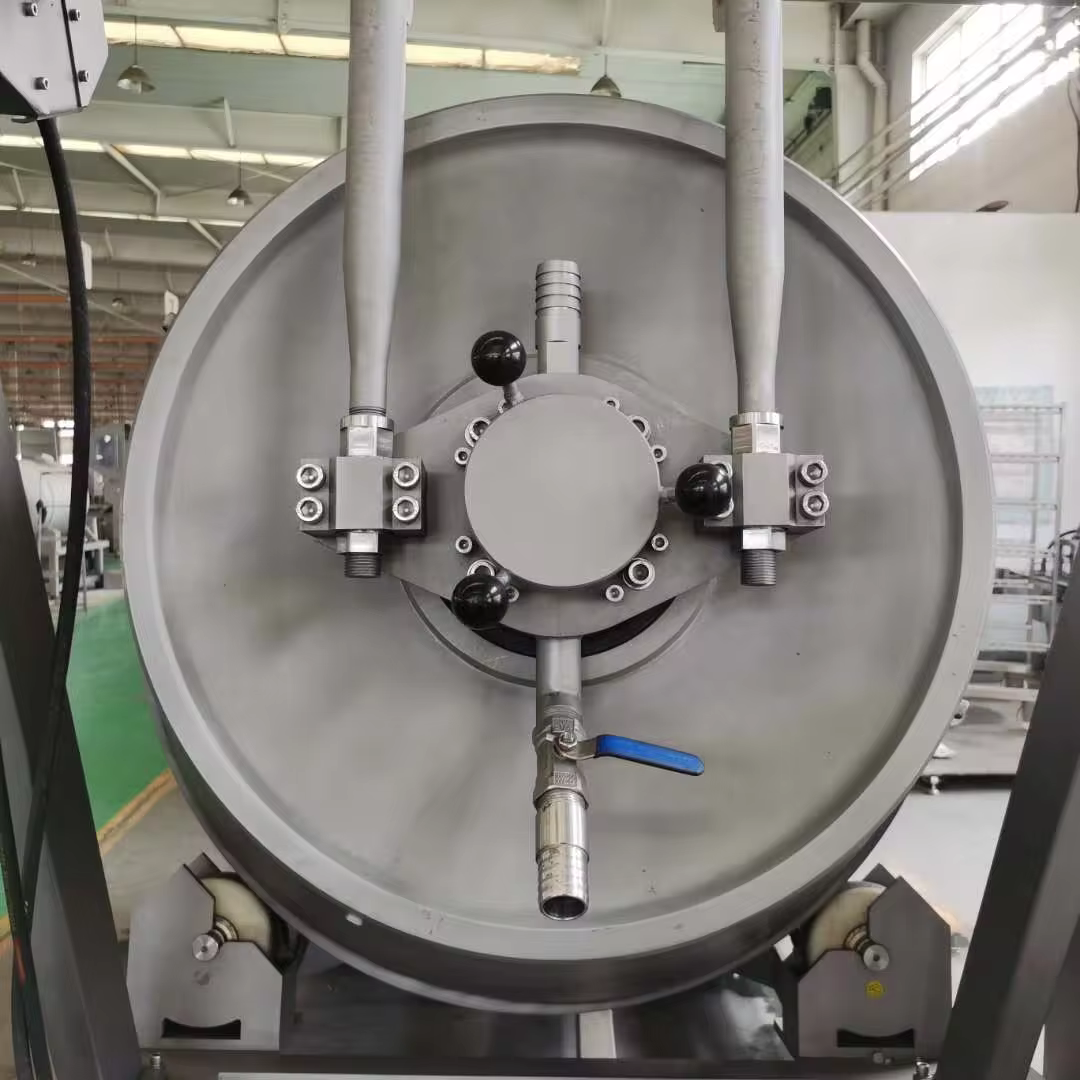
Thermal control separates amateur processing from professional manufacturing. Ignoring internal meat temperatures during agitation leads to disastrous quality issues and severe health code violations. You must monitor thermal variables closely.
The continuous mechanical action of tumbling inherently generates substantial internal heat. Friction occurs as meat pieces rub against each other and the metal baffles. If the internal meat temperature rises above 40°F (4°C), extreme risks emerge. Harmful pathogens multiply rapidly in warmer environments, violating strict food safety standards. Furthermore, elevated temperatures cause intramuscular fat to smear. This melted fat coats the lean muscle fibers, effectively waterproofing them. The smeared fat blocks marinade absorption and destroys the product's visual appeal.
Processors using standard, non-refrigerated equipment must compensate for this friction manually. Always start the process with heavily pre-chilled meat brought directly from the cooler. We recommend mixing your liquid marinades using flaked ice or ultra-chilled brines. These proactive steps create a thermal buffer against the inevitable temperature climb during a long cycle. Operators must periodically pause the machine and verify internal temperatures using calibrated probe thermometers.
High-volume processing facilities face unique challenges maintaining temperature consistency across massive batches. They significantly benefit from equipment featuring built-in programmable cooling jackets. These advanced units circulate chilled glycol around the exterior of the drum. This system actively removes the heat generated by mechanical friction in real time. It represents a critical operational advantage for scale operations aiming to eliminate external environmental variables entirely. Refrigerated drums guarantee USDA compliance and maximize final moisture retention.
Even with premium equipment, operator errors can quickly ruin hundreds of pounds of meat. Understanding how the machinery interacts with organic tissue helps you prevent costly mistakes. Correcting these common habits ensures a consistent yield.
Releasing the internal vacuum too rapidly severely damages product quality. A sudden, violent pressure equalization forces moisture directly out of the meat cells. This rapid purging undoes hours of careful marination work, leaving the meat dry and tough. We strongly advocate for a controlled, slow release valve operation. Gradually returning the chamber to standard atmospheric pressure locks the liquid safely inside the cellular structure.
Operators frequently notice thick foam building rapidly inside the rotating drum. You must never ignore this symptom. Excessive foaming points directly to two distinct problems. First, it might indicate a failing lid gasket allowing outside air to leak into the negative pressure chamber. Second, it often reveals a severe protein-to-marinade imbalance. Too much extracted protein mixing with air creates a thick lather. Correct the liquid ratio or inspect the vacuum seals immediately when foaming occurs.
Failing to clean equipment thoroughly triggers massive regulatory compliance risks. Meat particulates trap easily in hidden crevices, encouraging dangerous biofilm development. Implementing a rigorous cleaning schedule prevents deadly bacterial buildup.
Improper cleaning directly invites listeria and salmonella outbreaks. Strict adherence to sanitation checklists keeps your facility fully aligned with FDA standards.
Upgrading your processing floor requires careful strategic planning. You must evaluate machinery based on how its engineering solves your specific production bottlenecks. Avoid focusing solely on drum size.
Guide your purchasing decision by aligning exact machine specifications with your primary business goals. Focus heavily on the tangible outcomes each design feature delivers for your daily operations.
We encourage processors to validate their choices through practical testing before committing to a capital purchase. Request a live demonstration from the manufacturer. Run a small-batch test using your facility's exact meat cuts and proprietary marinades. This physical validation confirms the vacuum tumbler machine performs accurately under your unique environmental conditions.
A commercial tumbling system operates as a highly precise scientific tool, not a simple mixing bowl. Your overall production yield depends heavily on strictly managing load ratios, vacuum parameters, and exact temperature thresholds. Every physical variable interacts directly with the protein structure of your meat.
Transitioning from manual soaking to automated agitation demands standardized operational protocols. Advanced technology alone cannot fix poor processing habits or reckless loading techniques. Long-term success requires strict adherence to calibration rules and rigorous daily sanitation.
Take proactive steps today to modernize your production line. Consult an equipment specialist to audit your current processing volume and daily throughput. Identifying the appropriately sized machine will immediately streamline your floor operations and protect your valuable product margins.
A: We recommend applying a moderate vacuum setting, typically between 18 and 22 inHg. This specific pressure range efficiently pulls flavor deep into the tissue without destroying the meat structure. Applying maximum vacuum to very thin jerky strips will quickly turn them into unusable mush. Keep your active rotation cycles short and highly intense.
A: Yes, dry tumbling effectively tenderizes tough cuts. The continuous mechanical massaging physically breaks down rigid muscle fibers. As the pieces repeatedly drop and impact the interior walls, they extract internal proteins to the surface. This mechanical action dramatically improves the final texture and binding qualities, even without adding any external liquids.
A: Cycle times vary significantly based on protein density and equipment efficiency. Delicate poultry fillets usually require 20 to 45 minutes of gentle tumbling. Dense beef briskets or pork shoulders need anywhere from 45 to 90 minutes. You must always incorporate intermittent rest pauses during these cycles to maximize liquid absorption safely.
A: Tough meat usually results from three specific operational failures. You might be overloading the drum capacity, which completely prevents the mechanical drop needed for tenderization. You may also lack adequate resting cycles, which severely stresses the protein fibers. Finally, insufficient vacuum pressure prevents the cellular structure from expanding to absorb moisture properly.