Premium food packaging has transformed dramatically over recent years. Vacuum Skin Packaging (VSP) is no longer restricted to massive industrial processing plants. Compact tabletop models finally bring this technology directly to boutique butchers, specialty shops, and serious outdoorsmen. Upgrading to a Chamber Vacuum Skin Sealer represents a major shift in operational capability. You must look beyond standard vacuum bagging to evaluate shelf life extension and retail presentation value. Equipment choices dictate how effectively you minimize spoilage and maximize visual appeal.
We will objectively compare the leading 2026 models based on pump performance, tray compatibility, and cycle efficiency. You will learn how to match machine capabilities to specific production environments. Our breakdown helps you navigate complex equipment ecosystems to find the perfect fit. Making an informed decision ensures your packaging workflow remains efficient, sanitary, and highly reliable.
Key Takeaways
- High-throughput operations (butchers, large-scale hunters) must prioritize oil-rotary pumps over dry pumps for continuous cycling without overheating.
- Tray and film compatibility remains the primary bottleneck; proprietary ecosystems offer reliability but lock buyers into specific consumable pricing.
- Entry-level VSP models are increasingly viable for serious home use and micro-businesses, but users must account for the strict space requirements of rigid VSP trays.
- The primary ROI driver for commercial users is the premium retail presentation and the 20-30% increase in shelf-life compared to standard vacuum pouches.
Core Evaluation Criteria for Skin Sealing Performance
Selecting the right equipment requires a deep understanding of core mechanical components. You cannot judge a machine solely on its exterior footprint. Performance relies heavily on internal architecture and thermal management. We evaluate these machines across four distinct technical pillars. Each pillar directly impacts daily operations and packaging quality.
Pump Architecture and Thermal Thresholds
The vacuum pump acts as the beating heart of any sealing unit. Buyers typically choose between dry piston pumps and oil-lubricated rotary pumps. Dry pumps require exceptionally low maintenance. They eliminate the need for routine fluid changes. However, dry pumps suffer from lower duty cycles. They overheat quickly during continuous batch processing. You must pause operations to let them cool.
Oil-lubricated rotary pumps handle high-volume processing effortlessly. They run continuously without triggering thermal shutdowns. Oil creates a tighter internal seal within the pump. This allows for a deeper, more aggressive vacuum draw. The tradeoff involves mandatory maintenance. You must monitor fluid levels and perform regular oil changes to prevent mechanical failure.
| Pump Type | Maintenance Level | Duty Cycle Capacity | Best Suited For |
| Dry Piston Pump | Low (No fluid changes) | Light to Medium | Startups, Home Use, Low Volume |
| Oil-Lubricated Rotary | High (Regular fluid changes) | Heavy, Continuous | Butchers, High-Volume Hunters |
Film and Tray Ecosystems
Consumable compatibility dictates your long-term operational flexibility. Some machines support universal films and universal trays. Open systems allow you to source materials from multiple suppliers. This prevents supply chain disruptions. Other manufacturers design machines around proprietary ecosystems. You must use their specific brand of trays and films.
Proprietary systems often guarantee a perfect seal. The manufacturer perfectly calibrates the film thickness to the heater plate. However, this locks you into a single source for materials. We highly recommend evaluating local material availability before purchasing any machine. Running out of compatible trays halts production immediately.
Heater Plate and Cycle Speed
Skin packaging requires precise thermal application. The machine must heat the top web film until it becomes highly pliable. It then drops the film over the product like a second skin. Examine the heating consistency of the upper plate. Uneven heating leads to poor film draping. This creates unwanted air pockets around the food.
Air pockets trap oxygen and accelerate bacterial growth. They directly increase spoilage rates. High-quality models utilize multi-zone heater plates. These ensure uniform temperature distribution across the entire film surface. Cycle speed also matters immensely. Slower heating cycles bottleneck your entire packaging line during busy shifts.
Dual-Functionality (VSP + Standard Pouch)
Versatility maximizes equipment utility. Many operators still need traditional vacuum pouches alongside rigid tray skin sealing. Evaluate machines offering seamless dual-functionality. The best units let you switch between skin mode and pouch mode effortlessly. You simply swap the internal holding plates.
This dual capability saves valuable counter space. You avoid purchasing two separate machines. Pay close attention to the transition process. If swapping modes takes twenty minutes and requires tools, your staff will avoid doing it. Toolless conversion mechanisms represent a major advantage in busy environments.
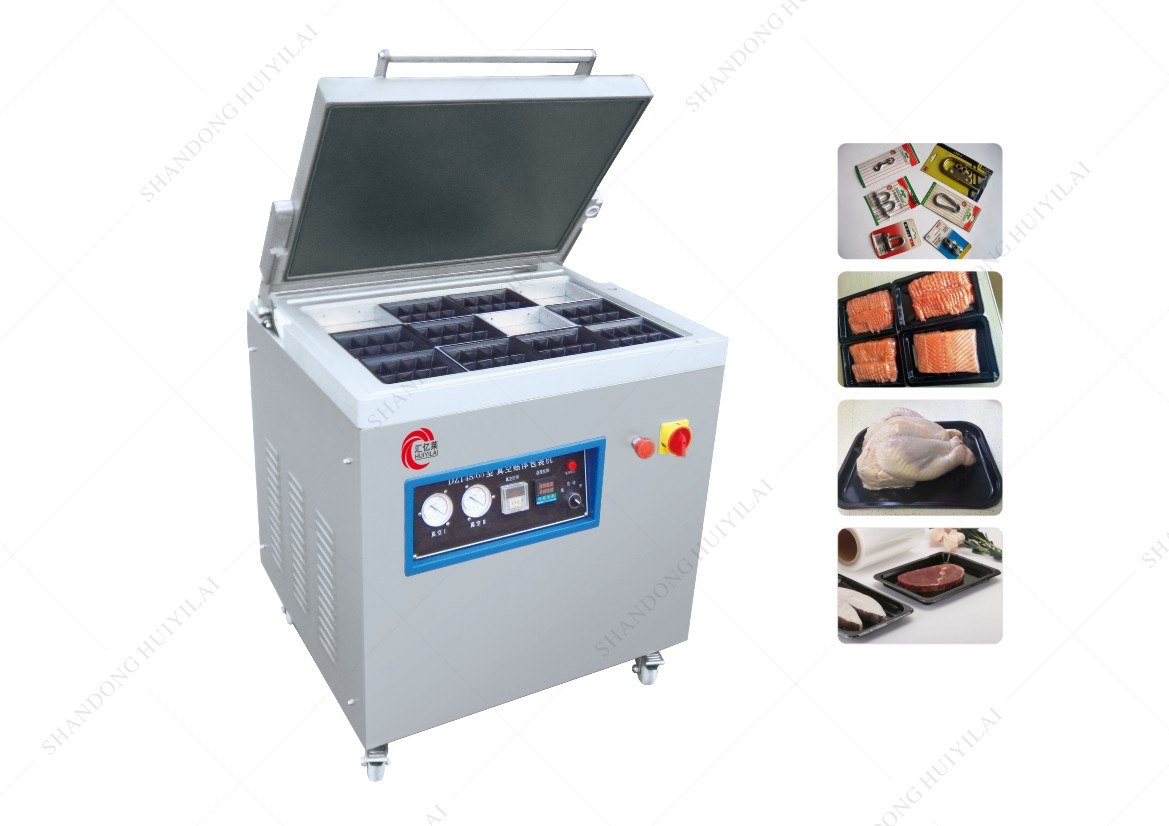
Top Chamber Vacuum Skin Sealers Evaluated by Use Case
Every processing environment presents unique challenges. A machine dominating a pristine retail shop might fail miserably in a rugged hunting lodge. We categorized the top 2026 models based on actual field deployment. Matching the machine to your specific use case ensures long-term reliability.
Best for Small Retail and Boutique Butchers
Boutique butchers focus heavily on retail shelf appeal. Customers buy with their eyes. You need equipment capable of handling premium cuts like Wagyu ribeyes or delicate seafood. Daily volume remains moderate, but presentation standards are incredibly high.
Expected features include precise temperature controls. You need high-clarity film draping to showcase meat marbling. Gas flush capabilities (Modified Atmosphere Packaging or MAP) are essential. MAP injects specific gas blends into the package before sealing. This preserves the bright red color of fresh meat for weeks.
Implementation requires dedicated counter space. These machines are heavy and bulky. You also need a highly reliable supply chain for specific rigid trays. Running out of the correct tray size ruins your display case uniformity.
Best for Heavy-Duty Outdoor, Hunting, and BBQ Processing
Hunters and BBQ enthusiasts process massive volumes in short bursts. You might process an entire elk or a hundred pounds of smoked brisket over a single weekend. The environment is often messy, wet, and demanding.
This profile requires an aggressive vacuum draw. You need a heavy-duty oil pump featuring a built-in cooling cycle. The chassis design must withstand harsh environments and rough handling. High liquid tolerance is absolutely essential. The machine must handle marinades, blood, and heavy moisture without pulling liquid into the pump.
Emphasize models offering easy-to-clean chambers. You must wipe down the interior thoroughly after processing raw game. Crevice-free designs prevent bacterial buildup. Removable seal bars make deep cleaning much easier.
Best Compact Entry-Level Model for Startups
Startups often face severe space constraints. You might operate a micro-kitchen or a small specialty food stall. Transitioning from standard edge sealers to professional VSP requires careful equipment selection. Volume remains low during the early stages of business growth.
Look for dry pump models or low-maintenance hybrids. A compact footprint is mandatory. You want a simplified user interface featuring pre-set skin cycles. This reduces staff training time. You simply press a button for "meat" or "fish" and the machine calibrates itself.
Buyers must accept certain limitations. These models have longer cycle times. You face strict limitations on consecutive seals. Pushing an entry-level machine too hard triggers a thermal shutdown. You must respect the duty cycle to prevent permanent motor damage.
Consumable Risks and Maintenance Schedules
Owning a high-performance sealing unit involves ongoing logistical management. You must balance material availability against daily output requirements. Ignoring proper maintenance routines quickly degrades packaging quality. Understanding the ecosystem prevents unexpected downtime.
The Reality of Consumable Ecosystems
Standard vacuum pouches offer straightforward logistics. You buy a box of bags, and they work in almost any chamber. Skin packaging introduces complex material requirements. You must perfectly match a rigid bottom tray to a specialized top web film. The film must stretch and adhere strongly to the specific plastic compound of the tray.
Using mismatched materials causes catastrophic seal failures. The film might peel away during transit. Always secure a steady supply of both components. You should test new tray batches before running full production lines. Slight variations in tray manufacturing can alter heating requirements.
System Maintenance Realities
Oil pump systems demand strict adherence to maintenance schedules. Neglecting the pump leads to weak vacuum draws and eventual motor failure. You must track active running hours diligently. Consider implementing the following routine:
- Daily Visual Inspection: Check the oil sight glass. The oil should appear clear and golden.
- Moisture Evacuation: Run a daily oil conditioning cycle. This heats the oil and evaporates trapped moisture.
- Seal Bar Cleaning: Wipe down the Teflon tape covering the seal bars to remove carbon buildup.
- Complete Oil Change: Drain and replace the oil based on manufacturer guidelines. This typically occurs after specific hourly milestones.
- Teflon Tape Replacement: Replace the sealing tape when it shows signs of burning or tearing.
Managing Scrap Rates
Scrap rates refer to the number of failed packages you must throw away. High scrap rates destroy profit margins. Inferior machines often heat the film unevenly. This leads to wrinkles, poor adhesion, and leakers.
Improper film matching also causes high scrap rates. If the film is too thin, it tears over sharp bone-in meats. If it is too thick, it will not drape properly over soft textures. High-quality machines provide precise control over vacuum pressure and heating timers. Dialing in these settings dramatically reduces daily waste.
Integration and Workflow Realities
Dropping a new machine onto a counter does not guarantee immediate success. You must integrate the unit into your physical workspace and operational flow. Equipment specifications directly impact facility requirements and staff efficiency.
Footprint and Electrical Requirements
Do not underestimate the physical size of these units. Heavy-duty commercial models require substantial structural support. A standard folding table will buckle under their weight. You must measure your counters carefully. Account for the lid's maximum opening height. Low overhanging cabinets will prevent the lid from fully opening.
Electrical demands often surprise new buyers. Many robust units require 220V power. They might need dedicated 20-amp circuits. Plugging a commercial sealer into a shared 110V outlet will trip circuit breakers constantly. Consult an electrician before taking delivery to avoid frustrating installation delays.
Staff Training and Operation
Modern equipment features intuitive digital interfaces. However, your staff still faces a learning curve. They must understand the physics of skin packaging. Setting the correct vacuum percentage is crucial. Too much pressure crushes soft items like delicate fish fillets. Too little pressure leaves air pockets around steaks.
Heating times vary based on product texture and profile. A high-profile roast requires the film to stretch further than a flat fish fillet. Operators must learn to adjust cooling times as well. Proper cooling sets the seal firmly before the chamber opens. Rushing the cooling cycle causes the film to shrink back and break the seal.
Sanitation and Health Compliance
Health inspectors scrutinize food packaging equipment closely. Your machine must meet strict sanitation standards. Look specifically for NSF-certified models. This certification proves the machine meets commercial food safety guidelines.
The chamber interior should feature crevice-free stainless steel. Deep corners trap food particles and breed bacteria. You want heavily rounded internal corners for easy wiping. Removable seal bars are highly recommended. You can take them to the sink for thorough washing. Wireless seal bars eliminate exposed electrical contacts inside the splash zone.
Shortlisting Logic: Making Your Final Decision
Narrowing down your choices requires brutal honesty about your operational needs. Avoid buying features you will never use. Focus entirely on the metrics driving your business forward. We developed a straightforward logic matrix to simplify the final selection process.
| Primary Business Goal | Crucial Hardware Feature | Technology to Avoid |
| Maximize Retail Presentation | Multi-zone heater plates & MAP gas flush | Basic timer-only controls |
| Maximize Daily Throughput | Oil-rotary pump & programmable presets | Dry piston pumps |
| Operate on Tight Limits | Compact chassis & dual-functionality | 220V dedicated circuit models |
If your success relies entirely on retail presentation, prioritize heater plate consistency. You need flawless film clarity to attract customers. MAP integration ensures your product looks fresh for extended periods. Do not compromise on temperature controls.
If throughput is your primary metric, discard dry pump models immediately. Filter your search exclusively for high-capacity oil pumps. You need programmable presets to switch between products rapidly. If you face extreme space constraints, calculate your exact daily volume. If you process under fifty units daily, an entry-level dry-pump model will perform admirably without risking hardware failure.
Conclusion
Investing in a high-quality chamber machine transforms how customers perceive your product. It is far more than a simple packaging upgrade. It represents a commitment to product longevity and superior visual appeal. Skin packaging locks in flavor, prevents freezer burn, and elevates your brand.
You must secure a reliable tray and film supplier before committing to specific hardware. Ensuring material compatibility prevents major operational headaches down the line. We strongly advise buyers to request live equipment demonstrations. Bring actual product samples to test the film draping over your specific cuts of meat. Always review spec sheets carefully to confirm exact tray dimensions and electrical requirements prior to finalizing your purchase.
FAQ
Q: Can I use standard vacuum bags in a chamber vacuum skin sealer?
A: Yes, many models offer dual functionality. However, you cannot use standard bags for the skin sealing process itself. Skin packaging requires highly specialized, stretchable top web film and rigid bottom trays. Standard bags are only used when the machine is switched to traditional pouch sealing mode.
Q: Why is my skin film tearing over bone-in meats?
A: Film tearing usually relates to material thickness rather than a machine failure. If your film micron count is too low, sharp bones will puncture it during the deep vacuum draw. You must adjust heating times or use specialized bone guards for extreme jagged cuts.
Q: How often do I need to change the oil in a commercial chamber sealer?
A: You should generally change the oil every 60 to 100 hours of active use. However, you must change it immediately if the oil appears cloudy or milky. Cloudy oil indicates moisture contamination. Running daily oil conditioning cycles significantly extends the lifespan of your fluid.


