Traditional static marination methods often slow down modern food production lines. They rely heavily on passive soaking techniques. This outdated approach simply cannot keep pace alongside high-volume processing demands. Processors frequently encounter highly inconsistent flavor profiles. Excessive processing times plague daily operations. High labor hours and deeply unpredictable product yields further damage operational efficiency. These specific bottlenecks prevent facility scaling. They also severely compromise overall food quality.
The vacuum tumbler machine resolves these exact challenges. It accelerates the curing process directly. The equipment continuously maximizes protein extraction. It serves as the recognized industrial standard for standardizing commercial batch quality. This comprehensive guide covers essential operational mechanics. We detail distinct industry-specific applications thoroughly. You will also discover an evidence-based framework. You can use this framework to evaluate equipment meticulously prior to final procurement.
Key Takeaways
- Vacuum tumbler machines utilize negative pressure and mechanical agitation to reduce marination times from days to hours while increasing product yield.
- Primary applications span red meat, poultry, seafood, and increasingly, plant-based protein sectors, directly impacting moisture retention and tenderness.
- Procurement evaluation must extend beyond drum capacity to include vacuum pump reliability, sanitation compliance (e.g., IP69K ratings), and programmable logic control (PLC) capabilities.
- Successful implementation requires assessing facility footprint, continuous vs. batch processing workflows, and baseline operator training to mitigate downtime.
What is a Vacuum Tumbler Machine? (Operational Mechanics)
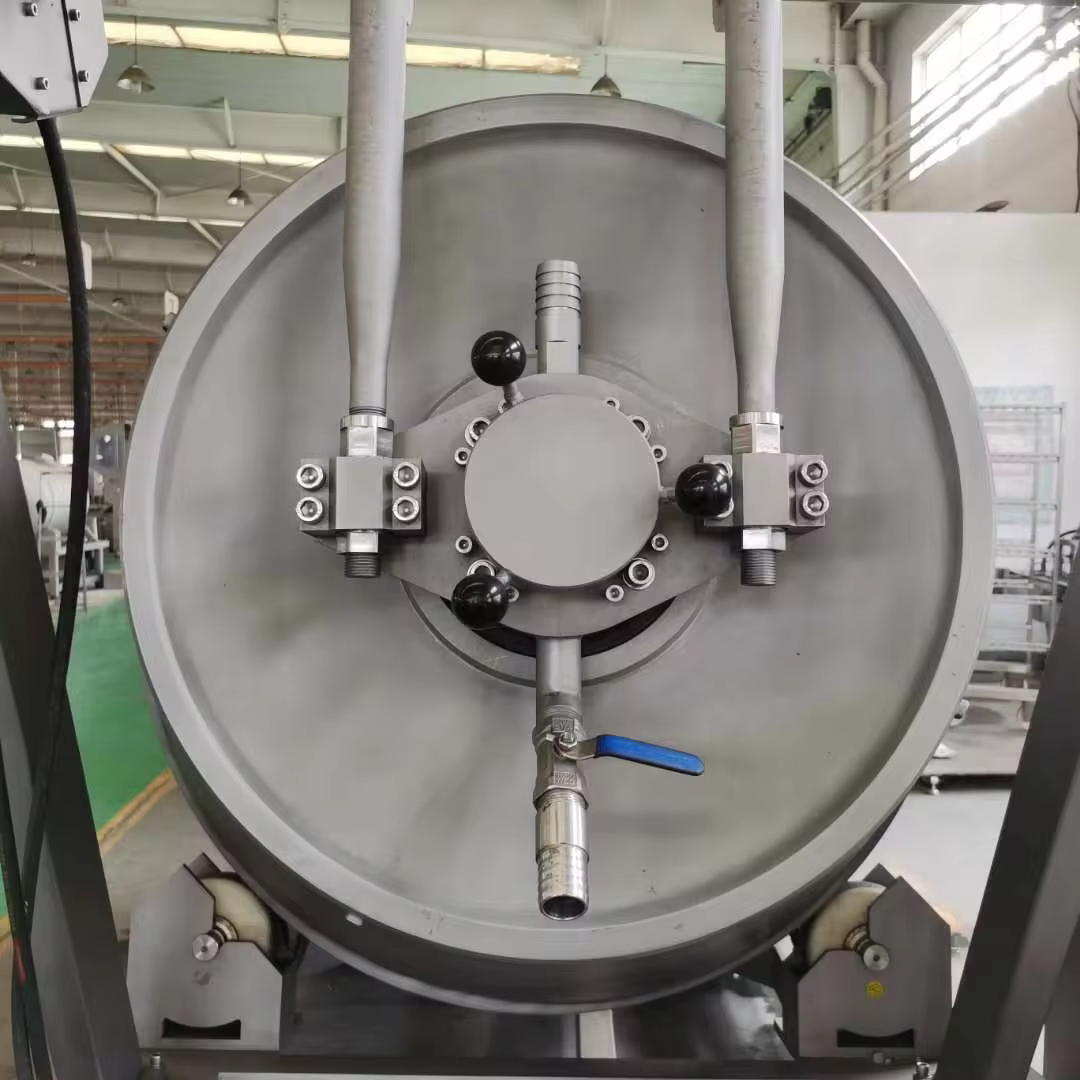
We define the equipment as an enclosed, rotating drum system. It applies continuous or pulsating vacuum pressure directly to organic cellular structures. The core function relies entirely on controlled environmental manipulation. Meat and poultry pieces enter a sealed, airtight chamber. The system systematically removes internal air to create a highly specific pressure drop. This mechanism transforms raw muscle fibers into highly receptive sponges.
The science centers heavily on negative pressure mechanics. This vacuum environment physically expands cellular tissue immediately. Deep internal penetration replaces mere surface coating. Marinades, brines, and spices flow easily into the open muscle fibers. A pulsating vacuum cycle often yields superior results. The machine introduces air back into the drum periodically. This resting phase allows the muscle tissue to relax. The subsequent pressure drop forces liquids even deeper into the core structure.
Inside the rotating drum, interior baffles provide constant mechanical agitation. They gently lift and drop the product repeatedly. This continuous tumbling massage yields a vital structural outcome. It forcefully extracts salt-soluble proteins onto the meat surface. These extracted proteins act as a highly effective natural binding agent. Operators depend on this sticky protein exudate to form cohesive deli logs and seamless sausages.
You can easily see the fundamental difference between static and dynamic systems. Traditional soaking remains an entirely passive endeavor. Fluids just sit around the resting meat for hours. Fluid uptake relies strictly on slow osmotic pressure. Active tumbling introduces a measurable, highly repeatable dynamic. A reliable vacuum tumbler machine completely transforms unpredictable soaking into a controlled, scientific processing event.
High-Value Applications in the Food Industry
Food processors deploy this dynamic technology across diverse production lines daily. The specialized applications deliver an immediate impact on distinct product quality metrics. Each specific protein requires customized mechanical handling.
- Red Meat Processing (Beef & Pork): Beef and pork require intense deep flavor infusion. Whole-muscle cuts, seasoned jerky, and premium hams benefit greatly from intensive physical tenderization. The internal protein extraction step creates perfectly cohesive deli meats. It prevents unappealing air pockets inside premium sliced sausages. Connective tissues break down gracefully under continuous tumbling pressure.
- Poultry Production: Chicken breasts and turkey wings lose natural weight quickly during high-heat cooking. This routine weight loss destroys overall profit margins. Tumbling ensures maximum internal moisture retention. You secure a major yield improvement almost instantly. Marinade binds structurally inside the poultry fiber. The meat stays visibly plump and tender after commercial roasting.
- Seafood and Aquaculture: Fish fillets always demand highly delicate handling. Operators use precise variable speed controls to prevent rapid tissue degradation. Fragile fish structure breaks easily under heavy drops. Proper tumbling protects the fillets perfectly. Seafood absorbs complex flavors rapidly while maintaining pristine structural integrity.
- Emerging Sectors (Plant-Based Proteins): Meat alternatives present highly unique manufacturing challenges. Manufacturers must hydrate textured vegetable protein (TVP) quickly. Dry soy or pea proteins resist moisture initially. Tumbling forcefully hydrates these stubborn dry structures. It also integrates essential fats and complex vegan flavors uniformly into the final meat alternative.
The Business Case: Evaluating ROI and Production Metrics
Facility managers must evaluate precise production metrics consistently. You measure yield maximization as a hard data point. It is never just a theoretical guarantee. Improved internal liquid retention directly correlates to a much higher finished-product weight. This extra retained weight immediately improves overall profit margins. Every single ounce of retained brine translates directly into salable product volume. You stop losing expensive raw materials to standard drip loss.
Processing time reduction completely changes how you manage facility inventory. You replace a massive 24-hour static cold soak safely. A modern tumble cycle takes merely 45 to 90 minutes. This massive operational time savings accelerates facility throughput safely. You boost your daily inventory turnover dramatically. Pallets no longer sit idle inside expensive refrigeration units.
Automated tumbling completely eliminates dangerous human error during mixing. You gain strict quality control across all massive commercial batches. Manual mixing often leaves unseasoned pockets inside large vats. The enclosed machinery guarantees exact color uniformity effortlessly. Customers receive a highly predictable texture every single time they purchase your brand.
We also see a major shift in facility labor allocation. Operators step away from heavy, repetitive manual handling. Severe ergonomic strain drops significantly across the processing floor. You immediately reallocate your manual labor force to higher-value quality assurance tasks. Human hands inspect the product rather than forcefully stirring heavy meat vats.
Processing Method Comparison Chart | Metric Category | Traditional Static Soaking | Vacuum Tumbling System |
| Average Cycle Duration | 12 to 24 hours | 45 to 90 minutes |
| Active Protein Extraction | Minimal to none | Extremely high (surface binding) |
| Final Product Yield | Highly variable per batch | Consistent and fully maximized |
| Floor Labor Requirement | High physical manual effort | Low (fully automated PLC) |
| Footprint Efficiency | Large vat storage required | Compact machine footprint |
Procurement Framework: Key Evaluation Dimensions
Procurement evaluation requires looking far beyond basic drum size specifications. You must assess four key dimensions thoroughly before finalizing any purchase. Smart evaluation directly prevents costly future downtime.
- Capacity vs. Actual Working Volume: Never confuse total drum volume with actual operational capacity. You can only fill the rotating drum to roughly 60 or 70 percent. The remaining empty space allows the meat to drop safely. It must massage correctly against the steel baffles. Ignoring this specific mathematical rule causes severe under-sized equipment purchases.
- Vacuum Pump Technology & Reliability: Pump reliability strictly dictates your operational uptime. You must evaluate liquid ring systems versus rotary vane options carefully. Busch pumps often handle continuous high-moisture operation exceptionally well. Assess external and internal filtration systems critically. Proper inline filters protect the sensitive pump mechanism from damaging particulate intake.
- Control Systems (PLC) and Scalability: Programmable logic control manages complex daily processes. Facilities handling multiple SKUs need fully programmable touch-screen recipes. Your digital controller should manage variable rotation speeds effortlessly. It must execute precise vacuum pulsing sequences exactly. It should also trigger reversing drum movements to facilitate automatic product discharge.
- Sanitation and Compliance Standards: Sanitary design ensures strict daily regulatory compliance. Look strictly for continuous TIG welding across all internal seams. The drum interior must lack hidden harborage points entirely. Easy-remove baffles speed up your daily sanitation shifts. Secure verified IP65 or IP69K washdown ratings. These ratings meet rigorous FDA, USDA, and FSIS safety requirements seamlessly.
Implementation Risks and Operational Realities
Successful physical integration demands careful advanced facility planning. You must address specific infrastructure requirements immediately upon delivery. Assess your ambient temperature control early. You can easily place standard uninsulated tumblers inside existing cold rooms. Alternatively, you can purchase specially refrigerated models. These feature integrated cooling jackets for ambient temperature spaces. Verify your exact electrical load capacity first. Ensure adequate floor drainage surrounds the machine base.
Operators must truly understand severe over-tumbling risks. Improper parameter use damages the raw product quickly. Excessive drum speed or prolonged cycle time causes complete tissue breakdown. The meat develops an undesirable, severely mushy texture. Sudden product loss ruins entire production runs. You must conduct careful, product-specific recipe testing. Finding the optimal cycle protects your raw material investment.
Neglected equipment easily creates preventative maintenance blind spots. Vacuum seal degradation leads to immediate internal pressure loss. Pump oil contamination rapidly destroys vacuum pump efficiency over time. Drive-chain wear causes extremely uneven drum rotation. You must implement a strict maintenance schedule.
Preventative Maintenance Schedule and Risk Matrix | Machine Component | Direct Risk if Neglected | Recommended Service Action |
| Lid Vacuum Seals | Loss of negative pressure, poor marination | Inspect weekly, replace annually |
| Inline Pump Filters | Particulate intake, catastrophic motor burnout | Clean daily, check oil integrity weekly |
| Main Drive Chain | Jerky rotation, major mechanical failure | Lubricate monthly, verify chain tension |
| Interior Drum Baffles | Bacterial harborage, failed hygiene swabs | Remove and sanitize fully every shift |
Your ultimate shortlisting logic should include a clear next-step checklist. Request a full wet-test demo using your actual raw product. Verify immediate replacement parts availability in your specific region. Check exact warranty terms covering the main drive motor and the vacuum pump. A high-quality vacuum tumbler machine must always arrive with highly reliable manufacturer support.
Conclusion
Transitioning to a dynamic tumbling system acts as a highly strategic operational upgrade. It directly influences your overall product yield metrics. Daily processing consistency improves dramatically across all shifts. Your facility immediately gains vital operational scalability to handle larger volume contracts smoothly.
Take direct action today to optimize your processing line:
- Audit your current static marination bottlenecks to identify specific labor and time waste.
- Define your required daily batch capacities explicitly using the strict 60-70 percent fill rule.
- Consult directly with an equipment specialist to review technical specifications thoroughly.
- Arrange a practical product test run to validate expected yield improvements firsthand.
FAQ
Q: What is the ideal fill capacity for a vacuum tumbler machine?
A: You should only fill the drum to roughly 60 to 70 percent of its total volume. This intentional empty space is crucial. It allows the meat pieces to lift, drop, and massage physically against the interior baffles. Overfilling prevents this necessary mechanical action entirely and ruins the final product quality.
Q: How long does a typical vacuum tumbling cycle take?
A: Cycle times vary significantly based on protein density and product size. Delicate seafood often requires only 20 minutes to absorb flavors fully. Conversely, dense whole-muscle hams may need multiple hours of continuous or pulsating tumbling. Proper recipe testing determines your exact processing time.
Q: Do vacuum tumblers require a refrigerated environment?
A: Tumbling generates friction. This friction increases meat temperature and promotes dangerous bacterial growth. You must place standard machines inside temperature-controlled cold rooms. Alternatively, you can purchase advanced models featuring built-in glycol cooling jackets. These specialized cooling units allow safe operation directly on a standard ambient-temperature processing floor.
Q: How does a vacuum tumbler differ from a vacuum mixer?
A: The mechanical difference strictly dictates their respective applications. Tumblers rely entirely on gravity and fixed baffles to gently lift and massage whole-muscle cuts. Mixers utilize active internal paddles or ribbons. These rotating paddles physically blend ground meats, spices, and fat together aggressively to create homogenous sausage batters.


