Food businesses face mounting pressure to extend product shelf life today. You must simultaneously maintain a premium, fresh-prepared aesthetic to attract discerning consumers. Consumers expect restaurant-quality experiences at home. This challenge hits hardest when managing ready-made delivery meals and high-end protein cuts. Vacuum Skin Packaging (VSP) serves as a robust commercial solution. It bridges the gap between basic food preservation and high-end retail presentation. The technology secures ingredients firmly in place while creating an attractive, invisible seal. The purpose of this guide is to help decision-makers evaluate this packaging approach. We will explore how investing in a commercial Chamber Vacuum Skin Sealer aligns with your production volume. Choosing the right sealing equipment dictates your ability to deliver culinary excellence consistently. You will also uncover mandatory compliance requirements and overarching return on investment goals.
Key Takeaways
- VSP vs. Alternatives: VSP outperforms traditional vacuum sealing in visual presentation and liquid retention, and offers a smaller operational footprint than Modified Atmosphere Packaging (MAP).
- Economic Impact: The primary ROI of a chamber vacuum skin sealer stems from the formula: Increased Shelf Appeal + Extended Shelf Life = Drastically Reduced Food Waste.
- Compliance is Mandatory: Implementing VSP requires strict adherence to temperature controls and anaerobic pathogen (e.g., botulism) mitigation protocols.
- Material Compatibility: Operational success relies entirely on matching the correct highly-permeable or barrier skin films to the specific tray types and food profiles.
The Business Case for VSP: Moving Beyond Traditional Food Preservation
Restaurants and premium food prep operations often battle exceptionally high shrink rates. Food waste eats directly into your daily profit margins. Presentation degrades rapidly when using standard vacuum bags for retail-ready or delivery meals. Wrinkled plastics and pooled liquids look unappealing to modern shoppers. You need a highly effective way to display and protect your culinary creations.
Vacuum Skin Packaging offers a significant advantage for ready-made meals. The process locks food securely to the rigid base tray. Ingredients cannot shift, slide, or mix during transit. This physical security remains a critical factor for direct-to-consumer meal prep companies. A perfectly arranged glazed salmon fillet stays exactly where the chef placed it. Customers receive a flawless, restaurant-quality meal every time they open the delivery box.
This distinct "invisible skin" effect drives strong premiumization across your product lines. It increases the perceived value for premium proteins like dry-aged steaks and delicate seafood. The specialized film contours perfectly over the complex food surface. It creates a highly glossy, attractive finish compared to traditional packaging methods. Shoppers can inspect the food clearly from all angles. They trust the quality because they can see every detail without visual distortion.
Sustainability and waste reduction also play a major role in this packaging transition. VSP delivers a 15 to 20 percent longer shelf life compared to traditional sealing methods. You throw away far less spoiled food each week. We frame this reduction in food waste as a direct offset to the higher cost of VSP materials. You spend more capital on specialized films and rigid trays initially. However, you save drastically on discarded inventory and lost labor over time.
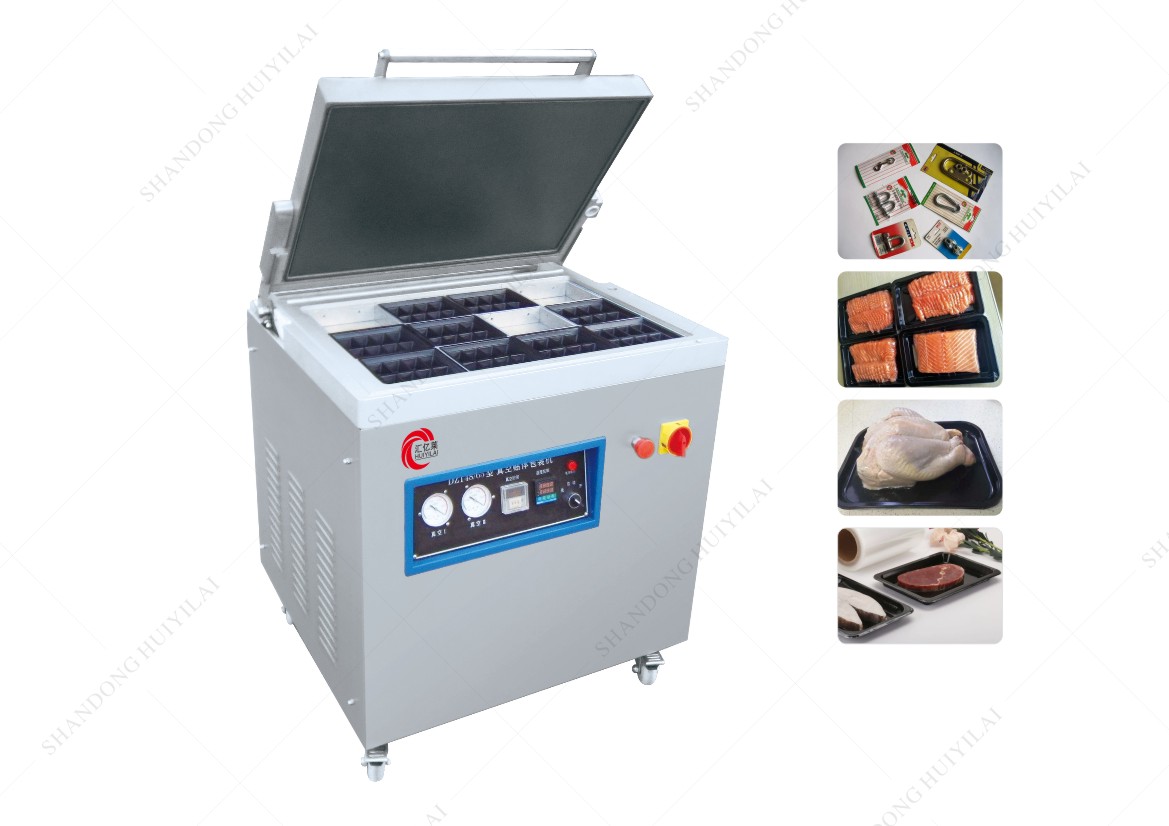
VSP vs. MAP vs. Traditional Vacuum: Which Methodology Fits?
Selecting the right packaging methodology requires understanding your unique operational constraints. Facility space, budget limits, and product types all dictate your final choice. Let us examine how three popular methods stack up against each other.
- Traditional Chamber Vacuum Sealing: This method provides a low-cost, highly versatile approach. It works exceptionally well for back-of-house storage and bulk ingredient prep. However, it delivers poor retail presentation. The intense vacuum pressure often crushes delicate foods like soft cheeses or baked goods. It also purges vital juices from fresh meats. Your premium ribeye might look gray and squeezed by the time a consumer views it.
- Modified Atmosphere Packaging (MAP): MAP replaces the oxygen inside a package with a specialized protective gas blend. This method remains excellent for bulk stacking and shipping. It preserves extreme delicacies like fresh ravioli or soft berries perfectly. Unfortunately, MAP requires heavy, complex gas-flushing equipment. You must manage a larger environmental footprint and handle bulky gas cylinders daily. It demands a significantly higher capital expenditure upfront.
- Vacuum Skin Packaging (VSP): This method balances visual appeal and operational footprint beautifully. It offers superior three-dimensional visual appeal on retail shelves. The tight film wrap prevents oxygen exposure, meaning you see zero freezer burn. It retains natural juices safely inside the meat structure. A Chamber Vacuum Skin Sealer generally requires a lower equipment footprint than a full MAP line. The downside involves a higher consumable cost for specialty films. You must also adhere to specific height limits for protruding foods.
Here is a quick summary chart comparing these fundamental packaging methods:
| Packaging Method | Visual Presentation | Liquid Retention | Equipment Footprint |
| Traditional Vacuum | Poor (Wrinkled, Distorted) | Low (Purges internal liquids) | Small |
| MAP (Gas Flush) | Good (Puffy, Protective) | High (No pressure applied) | Large |
| Vacuum Skin (VSP) | Excellent (3D glossy effect) | High (Locks in juices tightly) | Medium |
Key Evaluation Criteria for a Chamber Vacuum Skin Sealer
Evaluating machinery requires a clear understanding of your daily volume and physical product requirements. You must look beyond basic functionality to ensure long-term operational success. Investing blindly leads to severe production bottlenecks.
Follow these distinct criteria when assessing a new sealing machine:
- Throughput and Cycle Times: You must calculate your required cycle speeds accurately. A standard processing time typically runs 20 to 40 seconds per cycle. This speed dictates whether you need a single or double chamber unit. Double chambers allow operators to load one side while the other side actively seals. This cuts idle labor time significantly.
- Film and Tray Compatibility: Always highlight the risk of vendor lock-in. You should evaluate whether the machine accepts universal films and trays. Some manufacturers require proprietary consumables. This limits your future purchasing power severely. Open-source material compatibility keeps your running costs highly competitive.
- Protrusion Allowances: Assess the machine's dome height capabilities carefully. Standard machines handle slight food protrusions easily. High-profile products like bone-in roasts require specialized deep-draw capabilities. Ensure the physical dome height accommodates your tallest planned menu item without tearing the heated film.
- Build Quality and Washdown Ratings: Emphasize the necessity of IP65-rated stainless steel construction. Your kitchen environment demands rigorous, standard food-safe sanitization daily. Lower electrical ratings risk internal water damage during heavy washdowns. Solid build quality ensures a much longer lifespan for your equipment.
Common mistakes include underestimating peak volume hours. Operators often buy a single chamber unit to save money initially. They then face severe bottlenecks during high-demand prep shifts. Always calculate your throughput based on your busiest expected production day.
Food Safety, Shelf Life, and Compliance Realities
Safety stands as the absolute most critical pillar of any packaging operation. You must navigate strict regulatory guidelines to protect your customers and your brand reputation. Careless packaging protocols invite severe health risks.
Address the strict regulatory lenses from bodies like the FSA or FDA surrounding vacuum packaging. These agencies enforce rigorous standards for oxygen-depleted environments. You cannot simply seal warm food and place it on a retail shelf. Regulators mandate detailed hazard analysis plans for any operation utilizing reduced oxygen packaging.
You must manage anaerobic risks proactively. Be highly transparent about the risks of Clostridium botulinum in oxygen-free environments. This deadly pathogen thrives where oxygen lacks and temperatures rise. You must outline and enforce mandatory environmental controls. Establish strict holding temperatures below 3 degrees Celsius (37 degrees Fahrenheit). Implement rigid shelf-life limitations based on independent lab testing. You can also utilize secondary barriers like adjusting the pH or lowering the water activity of the food itself.
Consider utilizing 10K OTR films for specific highly perishable items. OTR stands for Oxygen Transmission Rate. Fresh seafood carries incredibly strict safety compliance rules regarding botulism. A 10K OTR film allows a highly specific amount of oxygen to permeate the package safely. This microscopic oxygen flow prevents dangerous anaerobic pathogens from developing. It helps you meet safety compliance while still utilizing your advanced equipment for premium presentation.
Best practices involve regular staff audits. You must log holding temperatures meticulously every few hours. Any deviation in the cold chain compromises the safety of vacuum-sealed products instantly. Discard any compromised packages without hesitation.
Implementation Risks: What to Know Before You Buy
You will face several practical challenges when rolling out a new packaging line. Anticipating these hurdles saves time and preserves your operational budget. A smooth implementation requires thorough advanced planning.
First, acknowledge the hidden cost of consumables. VSP trays and highly engineered barrier films cost significantly more per unit than standard vacuum pouches. You must provide a strict framework for pricing this into the final retail product. Do not absorb this cost entirely. The improved presentation allows you to command a slightly higher retail price. Calculate the exact per-unit material cost and adjust your menu pricing accordingly to protect margins.
Staff training prevents costly operator errors. You must detail common failure points during initial onboarding. A frequent issue involves grease spilling onto the tray flanges. Grease prevents the film from forming a proper, hermetic seal. Operators must keep all sealing surfaces perfectly clean. Incorrect temperature settings for film melting also cause immediate package failures. Comprehensive, ongoing training remains absolutely required for success.
Evaluate your space and utility requirements early. Note the specific power requirements for commercial sealing equipment. These heavy-duty machines often demand a 220V, 3-phase electrical connection. Your current kitchen layout might require costly electrical upgrades. Also, consider the physical footprint needed for staging. You need adequate table space to load trays before sealing and pack them into boxes afterward.
For shortlisting next steps, always recommend requesting a physical sample run. Ask manufacturers to run trials using your specific food products. Do this before finalizing any heavy equipment purchase. Seeing your exact menu items sealed properly provides ultimate confidence in your investment.
Conclusion
A commercial chamber vacuum skin sealer represents more than a mere storage upgrade. It operates as a highly strategic merchandising tool. It enhances the visual appeal of your finest ingredients while protecting them during transit. It acts as a powerful waste-reduction tool by extending the viable shelf life of costly proteins.
You should aggressively audit your current food waste costs today. Compare your monthly shrink numbers against the upfront equipment investment. Factor in the ongoing consumable costs of specialized films and rigid trays. You will often find the reduction in waste quickly pays for the upgraded packaging methodology.
Take immediate action by gathering your current packaging invoices. Calculate your true cost per plate accurately. Reach out to equipment suppliers to schedule a live demonstration. Making an informed, data-driven decision now positions your food brand for robust, scalable growth.
FAQ
Q: Can a chamber vacuum skin sealer also do standard vacuum pouch sealing?
A: Yes, many machines offer hybrid capabilities. A versatile sealer often accommodates standard flat vacuum pouches alongside rigid skin trays. However, you must adjust the internal settings and sometimes swap out the sealing bars. Dedicated skin machines focus solely on tray sealing for higher volume efficiency.
Q: Can I use any plastic tray for vacuum skin packaging?
A: No. You must use rigid, seal-compatible barrier trays. Common materials include CPET, PP, or specially lined cardboard. The tray must withstand the heat of the melting film without warping. It also requires a specific flat flange design to ensure a tight, hermetic seal.
Q: How does VSP affect the aging process of fresh meats?
A: VSP facilitates excellent wet aging directly inside the package. The oxygen deprivation causes red meat to temporarily darken or turn slightly purple. This color change is entirely natural and safe. Once you open the package and expose the meat to oxygen, it quickly "blooms" back to a bright red color.
Q: Is vacuum skin packaging recyclable?
A: The environmental reality remains mixed. Many rigid base trays are widely recyclable in local facilities. However, the multi-layer barrier films generally are not accepted in standard recycling streams. Fortunately, manufacturers are rapidly developing emerging mono-material innovations to improve overall recyclability for the future.


