The rising demand for consistent, high-volume fried snacks in the US market has shifted focus from manual batch frying to automated systems. Processors now face immense pressure to deliver identical texture and flavor across massive production runs. Beyond the marketing hype of "magic," upgrading to a commercial onion frying machine is a rigorous operational decision. Labor shortages severely limit manual operations in modern facilities. Oil volatility demands much better resource management to maintain profitability. Strict throughput requirements dictate entirely new equipment choices. We aim to provide food processors, commercial kitchens, and snack manufacturers with an evidence-based evaluation framework. You will learn how to shortlist and implement industrial onion frying equipment based on compliance and scalability. We explore heating technologies, automation yields, and integration strategies to help you navigate this complex facility upgrade.
Key Takeaways
- Heating & Efficiency: The choice between electric heating and gas significantly impacts long-term utility costs and thermal recovery times.
- Automation Yields: Automatic discharge systems reduce labor costs by up to 40% while preventing over-frying and product breakage.
- Scalability: Buyers must decide between standalone continuous fryers and integrated production lines (peeling to flavoring) based on current and projected capacities.
- Total Cost of Ownership (TCO): Upfront sticker price accounts for less than half of TCO; oil degradation management and maintenance downtime dictate true ROI.
The Business Case: Why Processors Are Shifting to Automated Onion Frying
Labor Cost Reduction & Consistency
Manual batch frying relies heavily on skilled operators. They must judge color, texture, and doneness entirely by eye. This human element creates massive inconsistencies across different production shifts. Transitioning to continuous systems mitigates this reliance on specialized personnel. Automated fryers standardize time and temperature parameters. You get the exact same golden crust on every single piece. Color uniformity improves brand perception immensely. Texture remains crispy rather than greasy. You eliminate the chaotic workflow of lifting heavy fry baskets manually. Automated environments allow fewer workers to manage much higher volumes securely.
Oil Management Economics
Rapid oil oxidation ruins product quality quickly. It darkens the snack and introduces off-flavors. Modern filtration changes this dynamic completely. Dynamic oil circulation constantly removes microscopic particulates during the cooking cycle. You extend useful oil life dramatically. Hidden processing waste drops when free fatty acids stay low. Less frequent oil replacement translates to significant operational savings. Efficient sediment removal prevents localized burning. The oil maintains its heat transfer properties longer. This stability keeps your end product tasting fresh. Proper oil management remains a primary driver for upgrading equipment.
Throughput Success Criteria
Defining baseline operational goals ensures project success from day one. You must establish strict vendor requirements based on your actual volume. Vague capacity estimates lead to bottlenecks. Processors should categorize their needs accurately before contacting suppliers. We recommend grouping throughput goals into distinct tiers to clarify equipment sizing.
- Pilot Scale: Processing 100 to 500 lbs per hour. Ideal for regional brands launching new snack lines.
- Medium Scale: Handling 500 to 1,500 lbs per hour. Fits expanding kitchens pushing into national distribution networks.
- Industrial Scale: Pushing over 1,500 lbs per hour. Requires massive continuous belt systems and heavy-duty thermal recovery capabilities.
Setting these targets prevents under-sizing your future equipment. It also stops you from over-investing in capacity you cannot utilize.
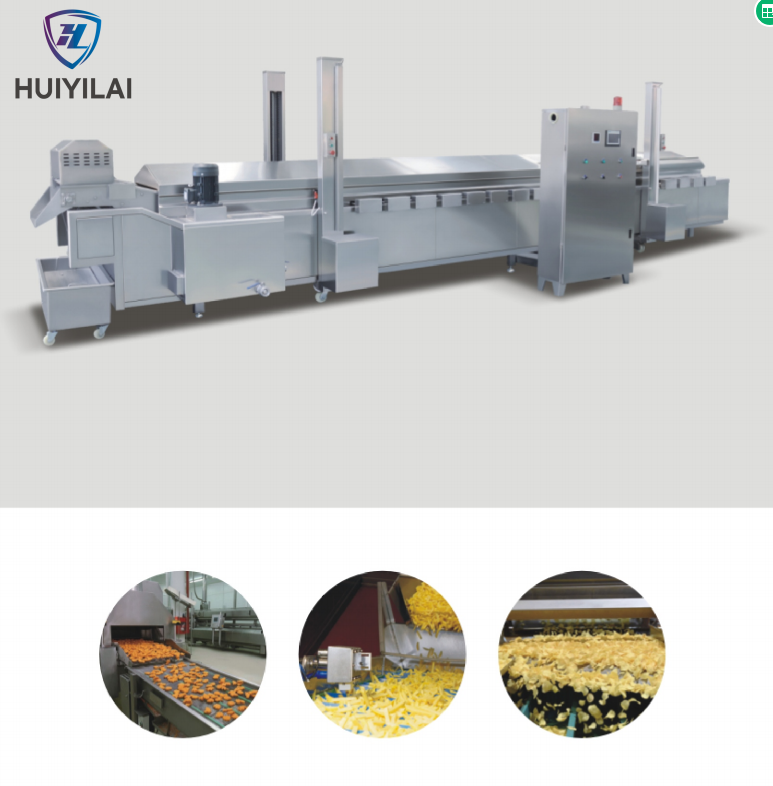
Core Technologies Defining a Commercial Onion Frying Machine
Heating Systems (Electric vs. Direct/Indirect Gas)
Heating methodology dictates how your onion frying machine handles thermal shock. Electric heating offers incredibly precise temperature control. It lowers your facility's immediate emission footprint drastically. You do need heavy-duty industrial electrical infrastructure to support large electric units. Direct and indirect gas systems excel at rapid thermal recovery. They handle heavy, frozen loads without plunging oil temperatures. Indirect gas heating routes flames through submerged heat exchangers. This prevents direct scorching of the cooking oil. Direct gas relies on exterior vat heating. Processors must choose based on local utility availability and frozen versus fresh input states.
Discharge & Conveyance Mechanisms
Moving delicate snacks through boiling oil requires careful engineering. Continuous belt systems suit high-volume lines perfectly. Automated basket-lifting designs work well for smaller batch environments. Belt material matters immensely for product integrity. Teflon-coated belts prevent sticky batter adhesion on fresh onion rings. Stainless steel mesh offers extreme durability but requires careful anti-stick engineering. Upper hold-down belts keep buoyant items fully submerged during the entire journey. Gentle incline outfeed designs prevent breakage as the snacks exit the hot zone. Synchronizing belt speed determines the exact fry time.
Slag Removal Systems
Burnt residue taints both oil chemistry and product flavor. Slag accumulates constantly when breading falls off. Continuous scraping systems push heavy debris away from the heating elements. Bottom-filtration mechanisms catch the rest of the carbonized particles. This dual approach protects your brand's flavor profile. It prevents the bitter taste of burnt flour from penetrating the fresh batches. Advanced fryers feature a cold zone at the bottom of the vat. Heavy crumbs sink into this cooler oil. They sit there without burning until the mechanical scraper removes them.
Standalone Units vs. Full Production Lines: Evaluating Scalability
The Standalone Fryer
Integrating a standalone unit into an existing line requires precise planning. Your main evaluation metric is physical footprint compatibility. The new fryer must interface seamlessly with current feed conveyors. An isolated onion frying machine offers great flexibility for modular facility upgrades. It lets you replace an aging thermal unit without rebuilding the entire room. You must measure outfeed heights carefully. The transition from the fryer to the cooling belt must be smooth. Drops taller than a few inches will shatter delicate coatings.
The Integrated Machine Line
Some processors need the entire sequence covered from start to finish. Assessing this full sequence demands systemic thinking. An integrated line typically includes root cutting, peeling, and slicing stations. Next comes automated battering, breading, and frying. Finally, de-oiling shakers and flavoring drums finish the product. Buying a unified line guarantees electronic handshakes between each module. The slicer communicates directly to the fryer. If the fryer stops, the slicer pauses automatically. This prevents massive pileups and wasted raw materials.
Risk Mitigation in Integration
Bottleneck risks threaten overall line throughput constantly. Fryer capacity might easily outpace your slicing stations. De-oiling mechanisms can choke on unexpected high-volume surges. You must balance every single node mathematically. We recommend performing a node-by-node capacity audit.
| System Setup | Primary Advantage | Key Integration Challenge | Ideal Processing Environment |
| Standalone Fryer | Lower initial capital risk | Matching conveyor belt speeds | Facilities upgrading one specific bottleneck |
| Integrated Line | Seamless automated communication | Large floor space requirements | New plant builds or total line replacements |
Compliance, Safety, and Material Standards for US Operations
Food Safety Material Specs
You must demand non-negotiable proof of material quality. Food-Grade SUS304 stainless steel is the minimum baseline standard. SUS316 provides much better resistance to salt and highly acidic batters. All food-contact surfaces must meet these stringent specs. Lesser metals pit and corrode over time. Pitted surfaces harbor dangerous bacteria that survive between cleaning cycles. Inspect the welding seams on all equipment quotes. They must be continuous and polished smooth. Crevices and rough welds create impossible-to-clean sanitary nightmares.
Certifications & Local Codes
Evaluate equipment against UL or CE electrical safety standards rigorously. OSHA safety requirements protect your operators from severe burn hazards. Look for machines featuring dual-redundant high-limit temperature switches. Local US municipal fire codes dictate strict ventilation rules. Ensure the fryer supports direct hood integration for automated fire suppression systems. Modifying a non-compliant machine post-purchase destroys installation budgets. Check your local NFPA guidelines before finalizing any equipment layout.
Sanitation & CIP (Clean-in-Place)
Daily teardowns consume valuable production time and labor hours. Clean-in-Place systems automate much of this heavy labor. Look for motorized hood-lifting mechanisms. They allow instant vertical access to the frying vat. Operators should never struggle to lift heavy covers manually. Large, accessible drain valves speed up oil removal and water washing. Dedicated boil-out modes simplify the chemical cleaning sequence. Easy access to internal heating tubes ensures no carbon buildup remains hidden. Fast sanitation directly increases available production time.
Shortlisting Vendors and Implementation Realities
Evaluating Vendor Claims
Move past basic "max capacity" metrics when reading brochures. Request hard data on continuous yield expectations. Ask for exact thermal recovery intervals. A machine might peak at 1,000 lbs per hour temporarily. It might only sustain 700 lbs per hour continuously without dropping oil temperatures. Ask the vendor for case studies matching your exact product profile. Battered products behave differently than dry-seasoned ones. Demand a Material Testing Agreement. Running your specific recipe through their demo unit exposes design flaws early.
Implementation Realities
Custom heavy machinery builds often require 60 to 120 days for lead times. Factor in complex freight logistics and tight installation schedules. You absolutely need vendor-supplied on-site commissioning. Proper staff training during this phase prevents early hardware failures. Your operators must learn the specific software interface. Maintenance teams need hands-on time learning how to change belts. Attempting a self-install on a commercial continuous fryer invites operational disaster.
Warranty & Parts Availability
Downtime destroys production schedules and profitability. Prioritize vendors holding robust US-based parts distribution networks. Critical wear components like belts and heating elements must ship overnight. Sensors fail eventually and need immediate replacement. Quick access to spares keeps your line moving. Review the warranty terms for exclusions on electronic components. A good supplier provides a 24/7 technical support hotline. Ask local references about the vendor's actual response time during emergencies.
Conclusion
Upgrading your facility with a commercial onion frying machine represents a high-stakes capital expenditure. Success relies on matching thermal dynamics to your specific hourly volumes. Appropriate automation levels streamline daily operations and standardize food quality. Continuous slag removal and gentle handling mechanisms preserve both your oil and your product. Evaluate potential equipment based on strict compliance standards and sanitation ease.
Take proactive next steps to ensure a smooth acquisition. Request detailed technical data sheets from your short-listed vendors immediately. Establish a Material Testing Agreement to run your specific batter recipe through a demonstration unit. Calculate all localized operational metrics carefully before requesting formal quotes. Mapping out these details guarantees a profitable and efficient installation.
FAQ
Q: What is the average oil turnover rate for an industrial onion frying machine?
A: The turnover rate depends on the ratio of total oil volume to hourly product throughput. Dynamic filtration systems extend oil life significantly. Typically, continuous industrial fryers achieve full oil turnover every 8 to 12 hours. This rapid turnover ensures oil is absorbed by the product and replenished with fresh oil before severe degradation occurs.
Q: Can these machines handle both fresh battered and frozen pre-breaded onion rings?
A: Yes, but they require different thermal configurations. Frozen pre-breaded rings drop oil temperatures sharply, demanding rapid heating recovery systems like direct gas. Fresh battered rings require gentler heating and Teflon-coated belts to prevent the wet batter from sticking to the conveyor mesh.
Q: What voltage requirements are standard for commercial electric fryers in the US?
A: Commercial electric units typically require 3-phase power. Standard configurations run on 208V, 240V, or 480V depending on the machine's scale. You must conduct a thorough facility electrical audit before purchase to ensure your building's grid can handle the massive sustained amperage.
Q: How do automatic discharge systems prevent product damage?
A: They synchronize belt speeds with precise oil flow dynamics. This creates a gentle current pushing the snacks forward. A specifically angled incline outfeed conveyor lifts the product out of the oil smoothly. This eliminates the rough tumbling and dropping associated with manual basket shaking.


