Correctly configuring your packaging equipment directly impacts packaging yield, film waste reduction, and the protection of high-value components. A flawless setup ensures delicate items remain secure during transit while maintaining a pristine visual presentation. Sub-optimal calibration leads to costly seal failures, backing board curling, and frustrating production bottlenecks. Moving from initial unboxing to full-scale production requires precise mechanical alignment and accurate thermal calibration. We often see facilities struggle because operators skip fundamental setup parameters before running their first cycle. This guide outlines the evidence-based steps to commission a Film Parts Skin Seal Packing Machine correctly. You will learn technical baselines for facility evaluation and direct implementation strategies. By the end, you will know exactly how to calibrate tension, adjust thermal dwell times, and troubleshoot common friction points effectively.
Key Takeaways
- Proper film threading and tension calibration are non-negotiable for preventing film snapping and webbing.
- Thermal and vacuum parameters must be mapped precisely to your specific film substrate (e.g., Surlyn, PE) and part geometry.
- Seal integrity validation requires controlled test runs to identify micro-leaks and adhesion failures before scaling production.
- Evaluating your machine’s automation limits is critical; manual configurations may not safely support high-volume scaling.
Pre-Setup: Facility Validation and Substrate Compatibility
Before plugging in any equipment, you must validate your facility’s infrastructure. A packaging machine relies heavily on consistent utilities. Fluctuating air pressure or unstable electrical currents will ruin your baseline calibration.
Facility Requirements
Verify your pneumatic air pressure stability. Skin packaging requires a strong, sudden vacuum draw to pull the heated plastic over the components. If your facility compressor cannot maintain the required PSI during peak cycles, you will experience vacuum drop-offs. These drop-offs leave air pockets around the products. You should also audit your dedicated electrical load capacities. Heating elements draw significant amperage. Sharing this circuit with other heavy machinery often causes voltage dips, leading to uneven heating cycles.
Material Matching
You must confirm compatibility between the backing board and your chosen skin film type. Backing boards require specific porosity levels. If a board is too dense or heavily coated, the vacuum cannot pull air through the fibers. The film will fail to adhere properly. Always match your film substrate (such as Surlyn or Polyethylene) to the correct adhesive coating on the board. Mismatched materials result in immediate peeling after the cycle finishes.
Environmental Baseline
Ambient conditions dictate how your machine performs daily. Note your facility's ambient temperature and humidity levels. Extreme variations require baseline adjustments in heating dwell times. A cold, drafty warehouse cools the plastic too quickly before it reaches the vacuum stage. High humidity can warp cardboard backing boards before they even enter the machine. Log these environmental metrics to build reliable recipes for different seasons.
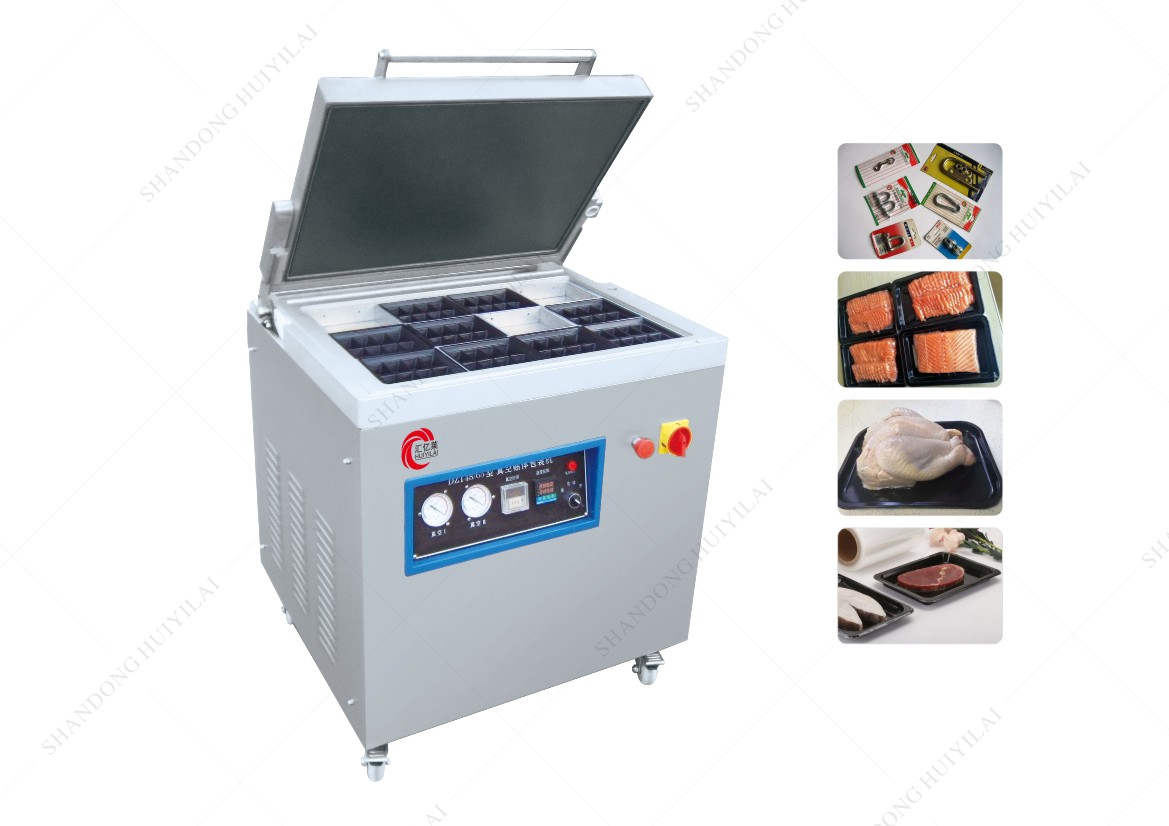
Step 1: Film Threading and Tension Calibration
A poorly threaded machine creates endless operational headaches. Proper routing prevents stretching and keeps the material aligned over the product tray.
Roller Alignment
Routing the film requires strict adherence to the manufacturer's mechanical path. Follow these steps for accurate alignment:
- Mount the new roll onto the unwind stand securely.
- Pull the leading edge through the primary tensioning bar.
- Weave the material alternately through the dancer rollers to maintain consistent tension.
- Feed the plastic squarely into the clamping frame without wrinkling the edges.
- Lock the frame and run a manual inching cycle to verify straight tracking.
Tension Economics
Establishing correct tension limits maintains material stability without causing premature stretching. Over-tensioning creates micro-tears in thinner gauges. These tiny rips expand during the heating phase, ruining the entire cycle. Under-tensioning causes the plastic to sag into the heating elements, posing a severe fire risk. You need to adjust the brake on the unwind stand until the material pulls smoothly but stops immediately when the feed motor disengages.
Safety Interlocks
Never bypass safety protocols during calibration. Verify all emergency stops function correctly before engaging the main drive system. Test the guard sensors surrounding the clamping frame. The heater should immediately cut power if an operator opens a guard door. Ensuring these interlocks work protects your team and prevents catastrophic equipment damage.
Step 2: Configuring Thermal and Vacuum Parameters
Heating and vacuum cycles represent the core mechanics of skin packaging. You must tailor these settings directly to the material thickness and product shape.
Heating Dwell Times
Setting radiant heater parameters depends entirely on film mil-thickness. Thicker materials need longer exposure to reach optimal plasticization. If you set the dwell time too high, you risk burning the substrate. If set too low, the material remains rigid and bridges over the parts. We recommend starting at a lower dwell time and incrementally increasing it.
Baseline Heating Dwell Times by Mil-Thickness | Film Thickness (Mil) | Material Type | Estimated Dwell Time (Seconds) | Visual Indicator of Readiness |
| 3 - 5 Mil | Polyethylene (PE) | 4 - 7 Seconds | Slight sag in the center of the frame |
| 6 - 8 Mil | Surlyn | 8 - 12 Seconds | Uniform droop without bubbling |
| 10+ Mil | Heavy-duty PVC/PE | 13 - 18 Seconds | Deep, even sag approaching the product |
Vacuum Cycle Phasing
Calibrating the primary and secondary vacuum sequence ensures a tight conform. The primary vacuum rapidly evacuates ambient air from the chamber. The secondary vacuum phase pulls the heated plastic tightly against the board. You must adjust this sequence carefully. A vacuum drawing too fast can crush fragile components. A draw that happens too slowly allows the plastic to cool mid-cycle, leaving massive air pockets.
Cooling Ratios
Adjusting the cooling fan duration locks the seal structure permanently. Operators often rush this step to increase throughput. Pulling the board out before it cools causes severe warpage. The plastic shrinks as it cools, pulling the cardboard edges upward. Extend the cooling fan timer until the board remains perfectly flat upon exit.
Step 3: Conducting Baseline Test Runs and Validation
Never assume your initial parameters are production-ready. You must validate the configuration through controlled, measurable test runs.
The 5-Cycle Test
Run initial blanks and dummy parts to observe the machine rhythm. Do not use high-value components for this step. The 5-cycle test identifies hidden mechanical friction. Watch the clamping frame for smooth horizontal movement. Listen for irregular pneumatic hissing, which indicates a leaky valve. These dry runs establish your operational baseline.
Visual Inspection Criteria
After the test cycles, inspect the finished boards closely. You are looking for specific visual defects.
- Tenting: Look for large gaps around the base of the part. This indicates insufficient heat or low vacuum pressure.
- Webbing: Check for plastic bridging between multiple items. Parts placed too closely together cause this defect.
- Uniform Adhesion: Ensure the plastic looks completely transparent against the board, indicating a solid bond without micro-bubbles.
Destructive Testing
Visual checks alone cannot guarantee seal integrity. You must perform manual peel tests. Tear the plastic away from the backing board forcefully. You want to see "fiber tear." Fiber tear means the plastic rips the top layer of paper off the cardboard. This proves the adhesive seal is stronger than the board itself. If the plastic peels off cleanly, your heating or vacuum parameters are insufficient.
Troubleshooting Common Implementation Frictions
Even a perfectly commissioned Film Parts Skin Seal Packing Machine occasionally encounters operational hiccups. Diagnosing these issues quickly minimizes downtime.
Chart: Quick-Reference Troubleshooting Matrix | Friction Point | Root Cause Hypothesis | Immediate Corrective Action |
| Poor Adhesion / Board Peeling | Incompatible board coating or insufficient heat | Increase dwell time by 1 second; check board porosity. |
| Film Webbing / Bridging | Parts too close or vacuum draw too fast | Increase spacing on tray; restrict initial vacuum flow rate. |
| Machine Cycle Lag | Pneumatic pressure drop or heater core failure | Audit air compressor output; test heater element amperage. |
Friction 1: Poor Adhesion/Board Peeling
Diagnosing insufficient heat is your first step. If the plastic fails to reach its melting point, it cannot activate the board's adhesive. Increase your dwell time slightly. If the problem persists, evaluate your vacuum pressure. The vacuum must forcefully press the two materials together. Finally, check for incompatible board coatings. Glossy or heavily inked areas on the board often resist bonding.
Friction 2: Film Webbing/Bridging
Webbing occurs when the heated plastic stretches over multiple items, creating a bridge instead of wrapping them individually. Adjust part spacing on the tray immediately. Give each component enough room for the plastic to drape down and touch the board. You can also slow down the vacuum draw rate. A slower draw allows the material to stretch gently into the crevices between parts.
Friction 3: Machine Cycle Lag
If the machine hesitates between stages, you likely have a utility issue. Audit pneumatic line pressure drops. A sudden loss of air pressure prevents the clamping frame from actuating on time. Additionally, check heater core efficiency. Aging radiant heaters take longer to reach the target temperature, forcing the machine to pause mid-cycle. Regular maintenance prevents these frustrating lags.
Evaluating Your Setup: When to Upgrade Your Skin Seal Packing Machine
Knowing when your current equipment limits your growth is vital. A basic setup works for low volumes, but scaling production requires advanced capabilities.
Throughput Ceilings
Assess whether current manual or semi-automatic setup times bottleneck your labor efficiency. Having an operator manually pull the frame and cut the boards takes time. As your daily order volume increases, manual labor simply cannot keep pace. If you run the machine at maximum capacity and still miss quotas, your throughput ceiling has been reached.
Precision Requirements
Compare entry-level relay logic controls against PLC-driven systems. Relay logic works fine for single-product runs. However, PLC systems offer recipe-saving capabilities for multiple part SKUs. If your facility switches between different product geometries several times a day, a PLC system eliminates manual recalibration. You simply push a button, and the thermal and vacuum parameters update instantly.
Compliance & Consistency
High-compliance industries, such as medical device manufacturing and aerospace parts, require intense precision. They need fully automated systems equipped with data-logging and repeatable validation loops. Manual machines cannot guarantee the exact same cycle parameters every time. Automated systems record every metric, proving to auditors that each package meets strict regulatory standards.
Shortlisting Next Steps
If you decide an upgrade is necessary, define your core criteria carefully. Evaluate the cycle speed to ensure it matches your projected growth. Measure your available floor space to find the maximum acceptable footprint. Verify film type versatility; your new equipment should handle everything from thin PE to thick Surlyn. Finally, research vendor SLA reliability. You need a partner who provides rapid technical support when production halts.
Conclusion
Systematic setup dictates the lifecycle and ROI of your packaging equipment. Precision in the initial setup eliminates costly rework and material waste down the line. We recommend auditing your current seal failure rates today. Consult with a packaging engineer to assess if your current equipment matches projected production volumes over the next twelve months. Proactive evaluation prevents unexpected bottlenecks. Request a technical consultation or a customized ROI analysis for upgrading to a fully automated Film Parts Skin Seal Packing Machine. Securing the right technology now ensures your products always reach their destination perfectly protected.
FAQ
Q: How long does it take to fully set up and calibrate a skin packaging machine?
A: It depends heavily on your automation level. Manual systems generally take 1 to 2 hours for baseline tuning and tension adjustments. PLC-driven systems require initial recipe programming upfront, but they offer instant changeovers for future runs once saved.
Q: What causes the film to burn during the heating cycle?
A: Burning happens when the dwell time is set too high for the material. It also occurs if the radiant heater distance is too close to the clamping frame. Using a thinner film gauge than the current machine recipe dictates will quickly scorch the plastic.
Q: Can one machine handle different film thicknesses and part geometries?
A: Yes, provided the machine features adjustable heating profiles and variable vacuum controls. Standard mechanical machines may require extensive manual recalibration between SKUs, while modern PLC machines handle these variations with saved recipes.
Q: How do I know if my facility's air compressor is sufficient for the vacuum draw?
A: You must cross-reference the machine manufacturer’s CFM (Cubic Feet per Minute) and PSI requirements directly with your compressor's continuous output rating. A dedicated surge tank often helps stabilize pressure during rapid draw phases.


