Upgrading to a Chamber Vacuum Skin Sealer is a significant investment for any serious operation. It shifts your daily routine from basic preservation to professional-grade shelf-life extension and superior visual presentation. High-quality sealing secures food safety and elevates your final product appearance. Choosing the wrong unit quickly leads to bottlenecked production lines. You might face incompatible packaging materials or excessive maintenance downtime during peak hours. Whether you outfit a bustling commercial kitchen, run a boutique butcher shop, or manage high-volume freeze-drying prep, precision matters deeply. This comprehensive guide breaks down essential technical specifications and critical pump mechanics. We help you evaluate which machine aligns perfectly with your specific throughput goals and quality standards. You will learn how to match equipment dimensions, vacuum depths, and maintenance protocols to your exact operational requirements. Mastering these details prevents frustrating daily delays.
Key Takeaways
- Pump mechanics dictate performance: The choice between an oil-rotary pump (achieving 99% vacuum) and a dry piston pump (achieving ~95% vacuum) is the most critical factor for longevity and seal quality.
- Chamber dimensions limit scalability: Seal bar length and chamber depth directly dictate maximum pouch size and multi-pouch cycle capabilities.
- Consumable compatibility impacts ROI: True chamber machines eliminate the need for expensive embossed/textured bags, significantly lowering long-term operating costs.
- Maintenance is non-negotiable: Oil-based systems require strict maintenance schedules but offer superior continuous-duty performance compared to zero-maintenance dry pumps.
Defining Your Operational Success Criteria
Production Volume and Cycle Frequency
Evaluate daily throughput expectations carefully before making a selection. Occasional batch processing requires entirely different machine classes than continuous output. Processing under 50 cycles a day suits lighter equipment designed for intermittent use. Conversely, processing 200 or more cycles demands heavy-duty hardware built for endurance.
You must calculate acceptable cycle times for your specific workflow. These typically range from 20 to 60 seconds per cycle. The duration depends heavily on the internal pump size. It also depends on your desired terminal vacuum level. Faster cycles improve overall efficiency on the production floor. They keep your kitchen or processing room moving smoothly. You should measure how much idle time your staff experiences between cycles. Reducing a cycle by just 10 seconds saves hours of labor over a busy month.
Common mistake: Operators often buy smaller machines to save counter space, only to overwork the motor by running it continuously. Always match the motor rating to your peak season volume, not your slowest days.
Primary Application and Load Types
Identify the main product you plan to package daily. Different foods react uniquely under extreme atmospheric changes. You must match machine capabilities to the specific physical traits of your product.
Consider these common application profiles:
- High-liquid content: Soups, stews, marinades, and heavy sauces need careful handling. Chamber machines excel here because pressure remains equal inside and outside the pouch, preventing boiling and spilling.
- Irregular bone-in meats: Ribs, chops, and whole poultry require high-puncture resistance. The machine must handle thicker gauge materials without compromising the thermal seal line.
- Delicate goods: Soft cheeses, baked items, or fresh berries often demand an adjustable vacuum limit. A gas flush feature replaces oxygen with inert nitrogen to prevent crushing the fragile cellular structure.
Freeze-drying preppers face unique challenges requiring specialized features. Absolute moisture extraction is strictly necessary for long-term preservation. High-barrier seals prevent oxygen degradation over 25-plus year storage timelines. Any micro-leaks introduced during the sealing phase ruin the entire batch over time.
Evaluating Pump Technologies: 95% vs. 99% Vacuum
Dry Pumps (Maintenance-Free)
Dry pumps operate using a piston or diaphragm mechanism. They require absolutely no oil to maintain internal lubrication. This specific design guarantees zero oil changes throughout the lifespan of the equipment. It creates a significantly lighter machine overall, making relocation much easier for cleaning. These units excel in lower-volume prosumer environments where daily use remains limited to a few dozen bags.
However, you must understand their physical limitations. Dry pumps generally peak at around a 95% vacuum level. They inevitably leave a small fraction of ambient air inside the package. They cannot handle continuous, back-to-back commercial duty safely. The internal moving components will overheat under extreme thermal stress. Choose this option strictly for light, intermittent packaging tasks.
Oil-Rotary Pumps (Continuous Duty)
Oil-rotary pumps rely on oil-lubricated rotary vanes to move air rapidly and smoothly. They consistently reach a 99% or higher maximum vacuum rating. This near-perfect extraction creates an optimal environment for long-term preservation. These pumps easily handle continuous operation without overheating. They provide rapid cycle times for busy kitchens and demanding processing facilities.
They are ideal for extracting air from dense cellular structures. Compressed meats and sous vide prep benefit greatly from this raw mechanical power. However, operators face strict upkeep requirements. You must perform regular oil monitoring routines. You must run warm-up cycles daily to condition the fluid properly. Periodic oil changes prevent moisture build-up from drawn-in vapors. Neglecting these tasks severely damages the internal pump mechanism.
Pump Technology Comparison:
| Feature Profile | Dry Piston Pump System | Oil-Rotary Pump System |
| Maximum Achievable Vacuum | Approximately 95% limit | 99% and above |
| Required Maintenance Level | Zero maintenance routines | High (Frequent oil changes required) |
| Operational Duty Cycle | Intermittent (Requires cool-down periods) | Continuous heavy-duty processing |
| Physical Weight and Mobility | Lighter, highly portable chassis | Heavy, stationary installation |
Sizing the Chamber and Seal Bar Configurations
Seal Bar Length and Placement
You must assess your maximum pouch width accurately before finalizing a machine size. Common pouch sizes range from 10 to 16 inches. The seal bar must accommodate your widest package easily without stretching. Cramming an oversized bag into a smaller chamber basin inevitably causes wrinkles. Wrinkles in the thermal seal line inevitably lead to slow oxygen leaks over time.
Look closely for dual seal bar configurations. Some machines place active bars on the front and back of the chamber. Others position them on the left and right sides. Dual bars let you seal multiple smaller pouches simultaneously in a single cycle. This specialized feature effectively doubles your hourly throughput. If you process hundreds of small individual portions daily, dual bars become absolutely indispensable.
Chamber Depth and Lid Dome
Measure your thickest standard product before committing to a specific chassis size. Compare this precise measurement to the internal chamber depth. You must also include the concave height of the acrylic lid in your calculation. The combined vertical space must accommodate the item easily. It should never stretch the bag awkwardly or compromise the flat seal zone. Flat items lying unevenly across the seal bar cause weak spots and premature plastic failure.
Check if the manufacturer includes dedicated displacement plates in the package. These solid volume plates fill empty air space inside the chamber basin. They speed up cycle times significantly for smaller or flatter items. The pump needs to evacuate much less ambient air to reach terminal pressure.
Here is exactly how displacement plates maximize your efficiency:
- Reduce air volume: Adding multiple plates minimizes the total cubic inches of air trapped inside the machine.
- Shorten pump time: The internal motor works for a shorter duration to reach a 99% vacuum rating.
- Elevate the product: Plates lift thin items so they align perfectly flat and level with the heating bar.
- Extend equipment life: Shorter evacuation cycles mean drastically less wear and tear on all internal components.
Consumables and Skin Packaging Compatibility
Chamber Pouch Economics
A true chamber system fundamentally shifts your consumable requirements. These robust machines use inexpensive flat and smooth pouches. You completely avoid the costly textured or channeled bags required by external edge sealers. Over a busy operational year, this transition saves significant portions of your supply budget.
You must evaluate your specific thickness requirements based on the payload. A standard 3-mil bag works perfectly for basic storage and soft items. A heavier 4-mil to 5-mil bag strictly protects bone-in cuts and frozen items. The extra thickness prevents sharp edges from puncturing the plastic during the final powerful compression phase. Mismatching bag thickness to the product type remains a common operational mistake. Always match the barrier strength to the structural density of the food.
Vacuum Skin Packaging (VSP) Capabilities
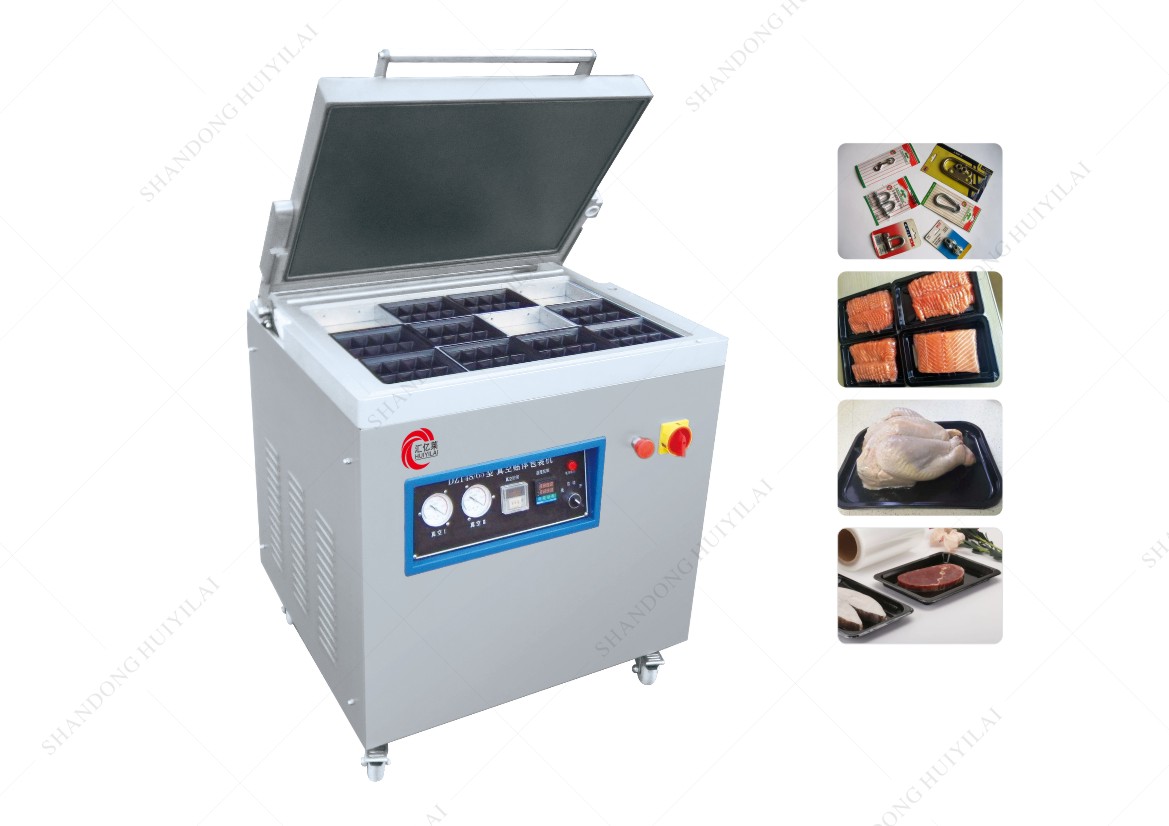
Some specialized operations utilize a true vacuum skin packaging process. In this configuration, heated film drapes directly over the target product. It adheres tightly to both the food surface and the rigid bottom tray. This creates an incredibly attractive, retail-ready visual presentation. Vacuum skin packaging involves a specialized film softening under a precise heating element. Once pliable, the machine drapes it over the food item and the rigid tray base. The vacuum draws the film down, creating a hermetic, contour-hugging seal. This eliminates all oxygen around the product. It prevents frost build-up and liquid purge (weeping) during long-term display.
If evaluating a VSP-capable machine, verify tray size compatibility carefully. Check the maximum film roll dimensions the internal carriage holds safely. Confirm the temperature control accuracy for the primary heating element. Precise heat ensures the skin film activates perfectly. It forms a tight second skin without burning or clouding the material. Inaccurate heating leads to poor visual clarity or incomplete perimeter adhesion.
Implementation Risks and Facility Requirements
Maintenance Workflows
Routine maintenance demands dedicated labor time from your active team. You must factor in planned downtime for essential daily and weekly upkeep. Staff must execute scheduled oil replacements promptly. Ignoring cloudy oil destroys the internal rotary vanes quickly and irreparably.
Best Practices for Routine Maintenance:
- Inspect oil clarity through the sight glass before every major production shift.
- Change the seal bar Teflon tape at the first sign of burning or discoloration.
- Replace worn heating wires immediately to ensure consistent thermal distribution.
- Wipe down the internal chamber and lid gasket daily to remove acidic food residues.
Proactive maintenance workflows prevent sudden machine failures during your busiest production shifts. You should train multiple staff members on these basic procedures to maintain continuity.
Facility and Compliance Requirements
Evaluate the electrical power draw of your chosen machine carefully. Verify if the unit runs smoothly on a standard 110V/120V dedicated outlet. Larger commercial units featuring powerful dual motors might require a specialized 220V commercial line. Failing to provide adequate and stable voltage causes immediate electrical faults and poor seal quality.
Check all necessary sanitation certifications required by local health inspectors. Commercial foodservice environments often require specific NSF or ETL sanitation marks displayed on the equipment. Consider the physical weight of the equipment carefully before delivery. Oil-pump models feature heavy metal castings and easily exceed 70 to 100 lbs. Plan for adequate, reinforced counter space to support the continuous motor vibration. Dedicated heavy-duty stainless steel carts offer an excellent mobile alternative for smaller kitchens.
Conclusion
The right sealing equipment balances upfront specifications with long-term reliability perfectly. Opt for a dry pump if you run low volumes and prioritize a strict zero maintenance workflow. Invest in a heavy-duty oil pump unit for continuous commercial batches. Oil pumps provide the critical 99% vacuum necessary for high-end sous-vide preparation and strict freeze-drying protocols. They process high volumes of liquids flawlessly without premature motor fatigue. Audit your daily packaging volume and largest product dimensions today. Measure your thickest items and verify your facility electrical capacities. Shortlist machines matching your specific seal bar requirements and pump type preferences to secure sustained operational success.
FAQ
A: Yes. Because the pressure inside the pouch and the chamber equalize simultaneously, liquids do not boil over. They never get sucked into the seal line during the evacuation phase. The liquid only compresses and settles once ambient air returns to the chamber at the end of the cycle.
Q: Why is 99% vacuum necessary for freeze-drying prep or sous vide?
A: A 99% vacuum removes nearly all residual oxygen from the package. This prevents destructive freezer burn during long-term storage scenarios. For sous vide cooking, it stops the pouch from floating in the water bath by eliminating trapped air expansion, ensuring perfectly even cooking temperatures.
Q: Do I have to buy specific bags for a chamber vacuum sealer?
A: You must use smooth-sided chamber pouches. Textured bags designed for external suction sealers will physically work, but they defeat the economic advantage of the machine. Always ensure the bag thickness matches your product type. Use thicker 4-mil or 5-mil bags for abrasive items like bones or shells.
Q: How often do I need to change the oil in a commercial chamber sealer?
A: This depends heavily on usage frequency and the moisture content of your food. Generally, operators should check the oil weekly for cloudiness, which indicates water contamination. You should change the oil every 60 to 100 hours of active pump time, or strictly follow the manufacturer's specific guidelines.


