Transporting sensitive, delicate, or high-value film parts demands exceptional care across the supply chain. You need packaging capable of preventing micro-abrasions, contamination, and sudden transit shocks. Traditional methods frequently fall short of these strict requirements. Blister packs, poly bags, and foam inserts often fail to completely immobilize delicate components. They also demand hefty upfront investments for rigid custom molds.
Integrating a Film Parts Skin Seal Packing Machine completely shifts your operational baseline. This modern equipment combines superior product immobilization alongside a drastically leaner material inventory. We will explore how this advanced technology resolves legacy packaging failures. You will discover specific operational benefits, crucial material nuances, and essential equipment selection criteria. Upgrading your packaging process proactively mitigates risk while streamlining daily production. Let us examine the mechanics behind this transformative industrial packaging solution.
Key Takeaways
- Total Immobilization: Vacuum skin packaging locks film parts firmly to a substrate, eliminating friction and transit damage.
- Elimination of Tooling Costs: Unlike blister packaging, skin packaging requires zero custom molds, adapting dynamically to varying part geometries.
- Enhanced Barrier Protection: A tight vacuum seal protects sensitive components from moisture, dust, and particulate contamination.
- Leaner Inventory: Replaces multiple SKU-specific custom inserts with standard master rolls of film and backing boards.
The Business Case: Why Traditional Packaging Fails Delicate Film Parts
Delicate film parts remain highly vulnerable during transit. Standard packaging methods fail these specific components in predictable ways. Poly bags allow parts to shift freely inside the box. This continuous movement causes friction. Friction eventually results in microscopic abrasions across sensitive surfaces. Edge curling frequently occurs when loose parts bump into container walls. Loose plastic packaging also generates static electricity. Static buildup naturally attracts airborne dust directly onto the product. You cannot risk these outcomes when shipping high-value items.
Successful packaging for this niche requires incredibly strict standards. We define operational success through four non-negotiable criteria. First, the packaging must guarantee zero physical movement during shipping. Second, it must ensure absolute cleanliness and dust prevention. Third, it must offer clear visual inspectability for quality control teams. Fourth, it must maintain a low per-unit packaging cost.
Consider custom thermoformed blisters as the standard alternative. They offer decent impact protection but actively stifle agile manufacturing. Blister packs demand rigid custom molds for every unique part shape. Packaging suppliers enforce high minimum order quantities. Lead times stretch for weeks while you wait for new mold designs to arrive. You lose operational flexibility. You also tie up valuable capital in rigid plastic inventory. Transitioning to a dynamic sealing approach bypasses these bottlenecks entirely.
Common Mistakes: Many operators rely heavily on generic bubble wrap. They wrap parts extremely tightly, believing they are securing the item. Instead, this intense pressure often warps delicate film edges permanently.
Core Operational Benefits of a Film Parts Skin Seal Packing Machine
Absolute Immobilization and Friction Reduction
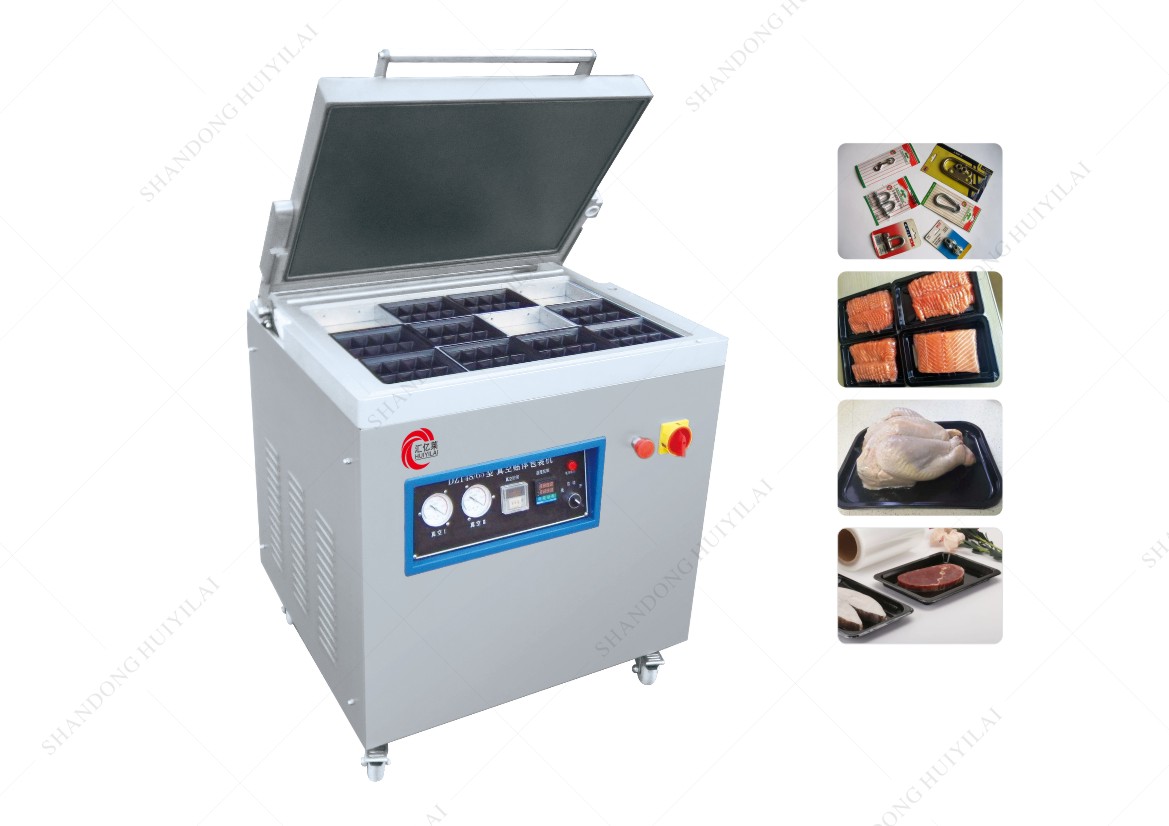
The equipment operates on a simple but highly effective thermal principle. It applies a heated polymer layer directly over the product. The film softens and drapes precisely over the exact topography of your items. A vacuum mechanism then pulls the plastic tight against a porous backing board. This single process anchors the item firmly in place.
Parts cannot shift against the backing board. They cannot bump into each other. Physical friction essentially drops to zero. You will see a drastic reduction in scrap rates caused by physical transit damage. Imagine shipping highly sensitive optical lenses. A sudden drop of the shipping box creates a massive shockwave. If the lens sits loosely inside a blister pack, it slams against the hard plastic. Scratches occur instantly. A vacuum-sealed skin prevents this completely. The film acts as a tensioned barrier, holding the item flush against the board. Shockwaves pass through the package without causing any physical displacement.
Environmental Isolation and Contamination Control
Environmental isolation represents another massive operational benefit. The vacuum sealing process creates an airtight barrier around the delicate part. Moisture ingress becomes nearly impossible. Oxidation risks drop significantly. Factory dust cannot penetrate the sealed micro-environment. This tight barrier proves crucial for sensitive optical components or specialized industrial components.
High humidity routinely ruins sensitive layers on manufactured films. The vacuum seal locks out ambient moisture completely.
Best Practices: Always seal your parts inside a climate-controlled room. This traps optimal air quality inside the package before the vacuum cycle engages.
Visual Inspection Without Compromising the Seal
Specialized packaging films offer excellent optical clarity. They remain highly transparent even after surviving the heating cycle. Your quality assurance teams gain a massive advantage here. They can visually verify part integrity easily. End-users can read serial numbers and check for manufacturing defects directly through the plastic. Nobody has to break the protective barrier to inspect the goods.
Quality inspectors previously had to slice open protective bags. They checked the parts, then discarded the ruined packaging. They repacked the item, wasting both time and materials. Transparent packaging completely eliminates this redundant loop. Inspectors simply scan barcodes directly through the secured barrier.
Analyzing Financial Returns and Operational Efficiency
Eliminating custom dies carries a massive financial impact on your operations. Blister packaging requires a brand new mold for every single design iteration. You must pay for tooling whenever a part dimension changes. Skin packaging removes this financial barrier completely. The heated material adapts dynamically to any geometry placed on the board. You achieve instant production flexibility without spending capital on new molds.
This newfound flexibility extends directly to your warehouse shelves. You no longer need to stock hundreds of unique custom inserts. You can standardize your entire operation quickly. A few standard sizes of porous backing boards handle everything. Standard master rolls of film cover any part shape. This consolidation drastically reduces your total warehouse footprint. Your inventory carrying costs plummet accordingly.
Labor efficiency also sees dramatic improvements on the floor. Consider the manual assembly of multi-part protective packaging. Workers must fold boxes, insert foam, and carefully secure parts. This manual process burns through valuable labor hours rapidly. Now compare this to an automated packing cycle. An operator simply places items on a master board. They initiate the machine cycle immediately. The equipment handles the sealing and immobilization in seconds. Throughput scales up while labor intensity scales down.
Operators also experience significantly less physical fatigue. They slide a flat board onto the machine bed rather than wrestling tape and foam. Less physical fatigue directly leads to fewer packing errors.
Protective Packaging Efficiency Comparison Chart | Packaging Method | Tooling Requirements | Warehouse Footprint | Immobilization Quality |
| Custom Blister Packs | High (Custom molds needed) | Large (Rigid pre-formed plastics) | Moderate (Parts can rattle) |
| Poly Bags + Foam | None | Moderate (Multiple components) | Low (High friction risk) |
| Skin Packaging | Zero (Adapts dynamically) | Minimal (Flat boards & rolls) | Maximum (Complete lockdown) |
Implementation Realities: Operational Risks and Material Nuances
You must address specific operational realities to guarantee long-term success. The entire process relies heavily on proper substrate selection. We must state a transparent assumption here. The packaging fails entirely if the backing board lacks proper porosity.
Substrate Porosity Rules
The machine pulls a strong vacuum downward through the cardboard. You must use compatible micro-perforated or naturally porous substrates. If the board features a solid glossy coating, the air gets trapped. The plastic will form a loose, useless tent over the product. Order uncoated, unprinted boards for your initial test runs. This ensures the vacuum pump can evacuate the air fully.
Film Selection Matrix
Choosing the right material dictates your operational success. Different polymers offer varying clarity, strength, and thermal properties. We have provided an objective selection matrix below to guide your purchasing decisions.
Film Selection Matrix | Film Material | Optical Clarity | Heating Requirement | Primary Use Case |
| Surlyn (Ionomer) | Exceptional | Low/Medium Heat | High-value optical components |
| Polyethylene (PE) | Good | Medium Heat | Standard industrial film parts |
| PVC | Moderate | High Heat | Heavy-duty hardware (Not ideal for delicate films) |
Thermal Cycle Limitations
Thermal control remains a critical operational risk. Delicate film parts possess strict maximum temperature thresholds. You cannot expose them to excessive radiant heat. The equipment must apply heat for a set duration, known as dwell time. If the dwell time runs too long, the plastic melts aggressively. The radiant heat then transfers directly into the sensitive product, causing severe thermal distortion.
Common Mistakes: Operators frequently crank up the heat to speed up the packing cycle. Instead, they should adjust the vacuum pressure and utilize lower-melt-point polymers. A high-quality Film Parts Skin Seal Packing Machine mitigates this risk through precise digital controls. It softens the barrier perfectly without transferring damaging temperatures to the underlying items.
Evaluation Criteria: How to Shortlist the Right Machine
Selecting the appropriate equipment requires structured, objective evaluation. You must analyze specific hardware components before committing to a purchase.
- Heater Technology: Heater technology heavily influences cycle consistency. Quartz heating elements provide rapid response times. They distribute radiant heat evenly across the entire surface area. Tubular heaters offer rugged durability but usually respond slower. Evaluate these options based on your strict energy efficiency goals and cycle speed requirements.
- Vacuum Pump Capacity: Vacuum pump capacity stands as a strict non-negotiable feature. You need industrial-grade suction to achieve a tight, uniform seal. Rotary vane vacuum pumps represent the trusted industry standard. A higher flow rate evacuates the chamber significantly faster. Weak pumps leave loose areas, compromising the protective barrier.
- Format Size and Scalability: Match the machine bed size directly to your production volume. A larger bed fits more parts per cycle, improving batch efficiency. However, handling single, massive parts demands a different format size entirely. A larger bed also requires a much stronger pump and greater power consumption. Map your scalability needs against the physical footprint of the equipment.
- Safety and Compliance: Prioritize safety and regulatory compliance above all else. Ensure the equipment features robust safety interlocks on all moving parts. Emergency stops must remain highly visible and accessible. The wiring must comply strictly with your local industrial electrical standards. Look for globally recognized certifications to ensure long-term operational safety.
Conclusion
Integrating this technology goes far beyond adopting a simple packaging step. It serves as a powerful, everyday risk-mitigation tool. You actively protect sensitive components against transit damage while simultaneously eliminating high tooling costs. The process locks delicate items down tight, preventing destructive friction. It effectively isolates them from environmental hazards like moisture and dust. Ultimately, standardizing your materials speeds up your packing line and drastically reduces your warehouse footprint.
Your next step involves practical, hands-on validation. We strongly advise conducting a sample run first. Test your specific film parts on various porous backing boards. Experiment with different polymer materials to verify thermal compatibility. This proactive approach guarantees you select the optimal hardware configuration for your unique production environment.
FAQ
Q: What is the average cycle time for a skin seal packing machine?
A: The average cycle time typically ranges between 15 and 40 seconds. This duration depends heavily on your selected film thickness and the specific heater type. Quartz heaters warm up faster, reducing overall cycle lengths. Thicker films require longer dwell times to soften properly. You can optimize these times by fine-tuning your vacuum pressure and heat settings.
Q: Can the heat from the machine damage sensitive film parts?
A: Yes, excessive heat can cause damage. Delicate components have specific thermal thresholds. You mitigate this risk by implementing precise timer controls. Operators must calibrate the heating cycle accurately. Selecting lower-melt-point films also reduces heat exposure. Modern equipment offers highly controlled radiant heating, softening the plastic barrier without transferring destructive temperatures to the underlying product.
Q: Do I need special cardboard for skin packaging?
A: Yes. You must use porous or micro-perforated backing boards. The machine pulls a vacuum downwards directly through the substrate. Standard glossy or heavily coated cardboard blocks this airflow. Trapped air prevents the heated plastic from molding tightly around your components. Using proper porous boards ensures the vacuum draws properly, creating a flawless, immobile protective seal.
Q: How does skin packaging differ from vacuum sealing?
A: Traditional vacuum sealing pulls air out of a flexible pouch or bag. The item remains loose inside the bag after sealing. Skin packaging operates differently. It bonds a heated plastic film directly to a rigid backing board. The product clamps tightly between the film and the board. This method completely immobilizes the item, preventing all physical friction.


