Vacuum technology dramatically extends shelf life across modern kitchens. It streamlines ingredient processing perfectly. However, operators often view it as a universal solution. This assumption proves incredibly dangerous. Applying a vacuum environment to the incorrect foods invites rapid spoilage. It compromises packaging integrity instantly. Even worse, it exposes operations to severe food safety liabilities. Deadly pathogens thrive under specific sealed conditions. You must understand these biological and chemical boundaries to protect your consumers.
Today, we explore the hidden risks behind anaerobic storage. We will detail cellular off-gassing mechanisms thoroughly. You will discover exactly which ingredients fail under vacuum pressure. Finally, we highlight the critical difference between static long-term packaging and active preparation. You will learn how modern facilities safely harness vacuum power to accelerate preparation without compromising safety.
Key Takeaways
- Biological Risks: Anaerobic environments promote the growth of Clostridium botulinum in certain low-acid, high-moisture foods.
- Chemical Risks: Gas-emitting vegetables will naturally expand, breaking the vacuum seal and accelerating spoilage.
- Preparation Workarounds: Techniques like blanching and flash-freezing can mitigate risks for otherwise incompatible ingredients.
- Processing vs. Storage: While specific foods cannot be vacuum-sealed for long-term storage, active vacuum processing (using specialized commercial equipment) safely accelerates protein marination without triggering anaerobic risks.
The Mechanism of Vacuum Storage Risks: Anaerobic Environments and Off-Gassing
You cannot effectively manage food safety without understanding the underlying science of preservation. We must break down exactly how removing air alters the chemical and biological landscape inside a pouch.
The Business Problem
Kitchen managers face a constant balancing act. You want maximum shelf-life extension. You also demand strict food safety compliance. Reducing waste remains a top priority across the industry. Vacuum sealing seems like the perfect answer on the surface. You remove the air, and food lasts longer. Unfortunately, this simple logic fails when applied blindly. Incompatible foods create hidden dangers inside the pouch, leading to catastrophic spoilage and safety breaches.
Anaerobic Pathogens
Removing oxygen creates a dangerous paradox. Oxygen typically degrades food quality through oxidation. It also deters certain deadly bacteria. Removing it creates an ideal breeding ground for toxic spores. Clostridium botulinum thrives specifically in anaerobic conditions. This pathogen causes deadly botulism. Low-acid environments accelerate its growth exponentially. If refrigeration controls fail even slightly, the risk multiplies. The dormant spores activate. They produce lethal toxins silently. You cannot see, smell, or taste this danger, making it exceptionally hazardous.
Cellular Respiration (Off-Gassing)
Raw plants continue to live long after harvest. They undergo cellular respiration constantly. This natural chemical process consumes oxygen and releases various gases. Sealing these raw vegetables traps the emissions entirely. In a sealed pouch, these gases accumulate rapidly. They inflate the bag like a balloon. Eventually, the pouch bursts under the internal pressure. This breaks the vacuum seal completely. Oxygen rushes back in, and spoilage accelerates immediately.
The Core List: 5 Foods That Fail Under Vacuum
You must exclude certain ingredients from raw vacuum storage entirely. Ignoring these rules guarantees product loss. Here is the definitive list of items you should never seal raw.
- Raw Cruciferous Vegetables: Cabbage, broccoli, cauliflower, and Brussels sprouts pose immediate problems. They naturally emit gases during storage. This continuous emission compromises seal integrity quickly. The bag inflates. The vacuum seal fails. Spoilage bacteria then attack the unprotected vegetables.
- Raw Mushrooms: Mushrooms possess incredibly high moisture content. They also ripen rapidly after harvesting. Removing oxygen actually accelerates their cellular decay. They turn slimy almost overnight. Their structural integrity collapses entirely. The anaerobic environment ruins their delicate texture and flavor profile completely.
- Fresh Garlic and Onions: These aromatics grow underground in dense soil. They contain extremely low natural acidity. Sealing them raw at room or fridge temperatures presents a massive risk. Spores present from the soil thrive without oxygen. This creates a perfect storm for botulism development. Never seal them in their raw state.
- Soft and Unpasteurized Cheeses: Brie, Camembert, and Ricotta require oxygen to survive. They need circulating air to maintain structural integrity. A vacuum environment suffocates them immediately. It encourages harmful mold proliferation. Anaerobic bacteria multiply rapidly in the high-moisture cheese matrix. Hard cheeses survive vacuum sealing, but soft cheeses perish quickly.
- Warm or Hot Liquids: Temperature plays a massive role in vacuum physics. Heat causes liquids to expand rapidly. They off-gas vapor violently under negative pressure. This physical reaction compromises the machine's ability to achieve a true vacuum. The liquid boils over at lower temperatures. It soils the sealing bar. It risks severely damaging the internal pump.
Mitigation Strategies and Safe Alternatives
You do not have to abandon these ingredients entirely. You just need proper preparation protocols. Implementing specific techniques allows you to navigate these biological limitations safely.
The Blanching Protocol
You can safely vacuum-seal cruciferous vegetables. You just must blanch them first. Briefly boil the broccoli or cauliflower until slightly tender. Immediately transfer them into a deep ice bath. This sudden ice-shock halts the cooking process instantly. More importantly, blanching stops the natural enzymatic process permanently. It prevents all future off-gassing. The vegetables then become completely safe for long-term vacuum sealing.
Flash-Freezing
Delicate items require careful handling. High-moisture foods create chronic sealing problems. Pre-freeze them before sealing to bypass these issues. Place the ingredients on a flat tray in the freezer. Once completely solid, transfer them to a vacuum bag. This simple step prevents crushing under intense vacuum pressure. It also stops moisture extraction into the machine. You get a perfect, clean seal every single time.
Alternative Storage Models
Sometimes, traditional vacuum sealing remains the wrong choice regardless of preparation. Utilize Modified Atmosphere Packaging (MAP) instead. MAP replaces oxygen with a protective gas blend, usually nitrogen and carbon dioxide. It delays spoilage without creating a strict vacuum. You can also use specialized venting containers. These clever designs allow internal gases to escape while blocking external contaminants effectively.
Storage Risk and Mitigation Summary Chart
| High-Risk Ingredient | Primary Threat Mechanism | Safe Mitigation Strategy |
| Broccoli / Cauliflower | Cellular off-gassing breaks seal | Blanching and rapid ice-shocking |
| Fresh Berries / Mushrooms | Moisture extraction and crushing | Flash-freezing before sealing |
| Raw Garlic / Onions | Botulism in anaerobic states | Cook completely before sealing |
| Soft Cheeses (Brie, Ricotta) | Harmful mold / bacteria growth | Use vented containers or MAP |
Storage vs. Processing: Bridging the Gap with a Vacuum Tumbler Machine
You must distinguish between storage and processing. This fundamental distinction changes how you view vacuum technology entirely. Applying vacuum pressure dynamically solves many operational challenges.
Clarifying the Application
Long-term vacuum storage spans days or months. It creates prolonged anaerobic environments. This extended duration invites the biological risks we discussed earlier. Conversely, short-term vacuum processing spans only minutes or hours. It utilizes negative pressure dynamically. It avoids the dangerous anaerobic window entirely. You process the food and move it immediately to the next preparation stage.
The Role of the Vacuum Tumbler Machine
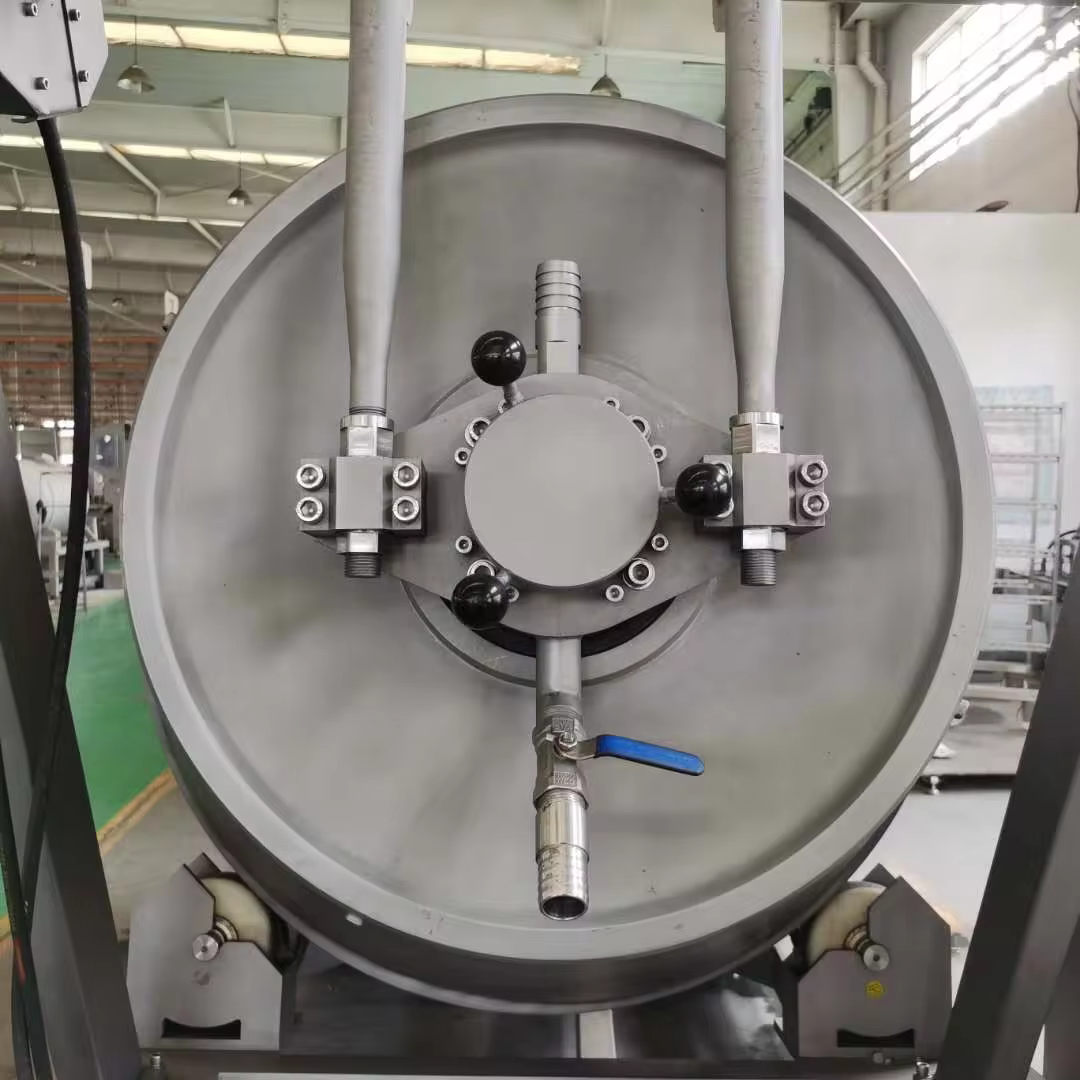
Active preparation relies on specialized tools. A vacuum tumbler machine applies negative pressure inside a rotating drum. This pressure physically opens the muscle fibers of proteins. Meat, poultry, and seafood expand like sponges. They rapidly absorb liquid marinades deep into the tissue core. You use this equipment to transform ingredients instantly, rather than merely preserve them for later.
Safety in Motion
Static storage breeds biological danger over time. Active processing ensures food safety. The continuous physical agitation inside the drum prevents bacterial anchoring. Short processing times keep the food well outside the danger window. You eliminate the anaerobic risks associated with static storage completely. The protein remains safely chilled during the tumbling cycle, further suppressing bacterial growth.
Operational Outcomes
This dynamic approach yields massive operational benefits. You see drastically reduced marinade waste. The meat absorbs the liquid completely instead of letting it pool. You experience much shorter preparation cycles overall. A traditional 24-hour soak turns into a 20-minute tumble. You achieve noticeably increased product yield. The proteins retain more moisture during the cooking process. Finally, you ensure consistent flavor profiling across every single batch you produce.
Procurement Framework: Evaluating Vacuum Equipment for Your Operation
Selecting the right machinery requires careful analysis. You must evaluate technical specifications against your actual daily needs.
Features-to-Outcomes
Assess the internal pump strength carefully. Look closely at the mbar ratings. Stronger pumps pull faster, deeper vacuums. Evaluate the drum capacity next. Base this metric on your specific daily volume requirements. Ensure the machine matches your actual production scale precisely. Buying a unit too small creates immediate bottlenecks. Buying a unit too large wastes valuable floor space and energy.
Sanitation and Compliance
Food safety drives every responsible purchasing decision. Look for FDA and USDA compliant construction materials. Demand food-grade stainless steel, specifically identifying 304 or 316 grades. 316 grade offers superior corrosion resistance against salty marinades. Inspect the physical seals. You need easily removable gaskets for daily deep cleaning. Clean-In-Place (CIP) capabilities remain essential. They prevent dangerous cross-contamination between different protein batches.
Implementation Risks
New equipment always introduces a learning curve. Address it proactively. Train your staff on proper vacuum strength adjustments. Avoid over-tumbling delicate seafood, as high pressure destroys tender fillets instantly. Establish strict routine maintenance schedules immediately. Vacuum pumps require regular oil changes to function properly. Neglecting this basic maintenance destroys the motor prematurely.
Shortlisting Logic
Evaluate different vendors systematically. Compare warranty terms carefully before signing anything. Verify the consistent availability of replacement gaskets. Gaskets wear out naturally over time. You need fast, reliable replacements to avoid downtime. Finally, demand physical product testing. A reputable vendor allows you to test your specific product batches before finalizing a major purchase.
Best Practices and Common Mistakes in Vacuum Processing
Best Practices
- Always chill liquid marinades completely before tumbling.
- Calibrate your vacuum sensors monthly to ensure accuracy.
- Sanitize the drum between different protein types immediately.
- Use the correct paddle attachments for specific meat cuts.
Common Mistakes
- Overfilling the drum past 70% capacity, blocking proper agitation.
- Ignoring daily gasket inspections, leading to slow vacuum leaks.
- Processing frozen meats before they thaw completely.
- Using highly acidic marinades without checking equipment compatibility.
Conclusion
Vacuum sealing represents a powerful, transformative operational tool. It requires strict, ingredient-specific protocols. It is never a blanket preservation method. You must respect the biological limitations of raw vegetables, soft cheeses, and fresh aromatics. Ignoring these facts puts your operation at risk.
Keep storage and processing functionally separate in your mind. Avoid high-risk foods for long-term anaerobic storage. Instead, leverage vacuum technology safely for active preparation. Processing proteins dynamically unlocks immense flavor concentration and significantly boosts yield.
Take action today to protect your facility. Audit your current food storage standard operating procedures thoroughly. Eliminate any high-risk vacuum practices immediately. Evaluate your current processing equipment. Look for tangible efficiency upgrades. Modernize your preparation cycles while aggressively protecting your customers from foodborne illness.
FAQ
Q: Can I vacuum-seal cooked garlic or onions safely?
A: Yes, cooking destroys the responsible enzymes and bacteria, making them safe for vacuum packaging when properly cooled.
Q: Why did my vacuum-sealed bag of fresh vegetables inflate like a balloon?
A: This is the result of natural off-gassing from cellular respiration, a clear indicator that the food was not blanched prior to sealing.
Q: Does a vacuum tumbler machine cook the meat?
A: No, it operates strictly for marination and tenderization through physical agitation and vacuum pressure, requiring standard cooking procedures afterward.
Q: Are there any specific proteins that should not go in a vacuum tumbler?
A: Extremely delicate fish (like flounder) may break apart under heavy tumbling; the equipment's RPM and vacuum pressure must be calibrated to the specific protein's structural limits.


