
Views: 0 Author: Site Editor Publish Time: 2026-07-06 Origin: Site


Transitioning from manual or static marination to automated processing marks a critical scaling threshold. Commercial kitchens and meat processors face strict production demands daily. Operations aiming for high output cannot rely on slow traditional methods. You need robust solutions ensuring uniformity every single time. A vacuum tumbler machine is not simply for mixing ingredients. It serves as a powerful yield-enhancement and protein-extraction tool. These specialized systems shorten processing cycles significantly. They also standardize product quality across all batches. This guide explores the actual operational impact of upgrading your facility. We will examine how to evaluate machine specifications thoroughly. You will learn how to match technical details directly to your specific production lines. By understanding these core dimensions, you can easily transform daily bottlenecks into predictable, highly controlled processes.
Traditional soaking methods introduce major operational inefficiencies into commercial kitchens. Flavor penetration remains highly inconsistent across large batches. Liquids settle unevenly when meat sits passively in vats. Staff spend countless hours manually turning heavy meat pieces. This labor-intensive process drains valuable daily resources rapidly. It also consumes excessive floor space inside chilled environments. Your facility loses productive areas to passive storage.
Capillary action drives standard liquid marination fundamentally. However, this natural mechanism fails during intense thermal processing. When you cook or smoke the meat, it loses moisture rapidly. We call this widespread phenomenon "shrink" in the industry. Shrink directly causes severe profit loss for any operation. Moisture evaporates, leaving you selling less finished weight. Upgrading your equipment changes this frustrating dynamic entirely. Active processing locks moisture inside the cellular structure.
You must define what a successful transition looks like beforehand. Upgrading your systems requires clear, measurable performance benchmarks. Operators should track specific metrics closely following installation.
Common mistake: Facilities often attempt to scale by simply buying larger soaking vats. This approach multiplies existing inefficiencies rather than solving them. You only increase labor costs and floor space requirements.
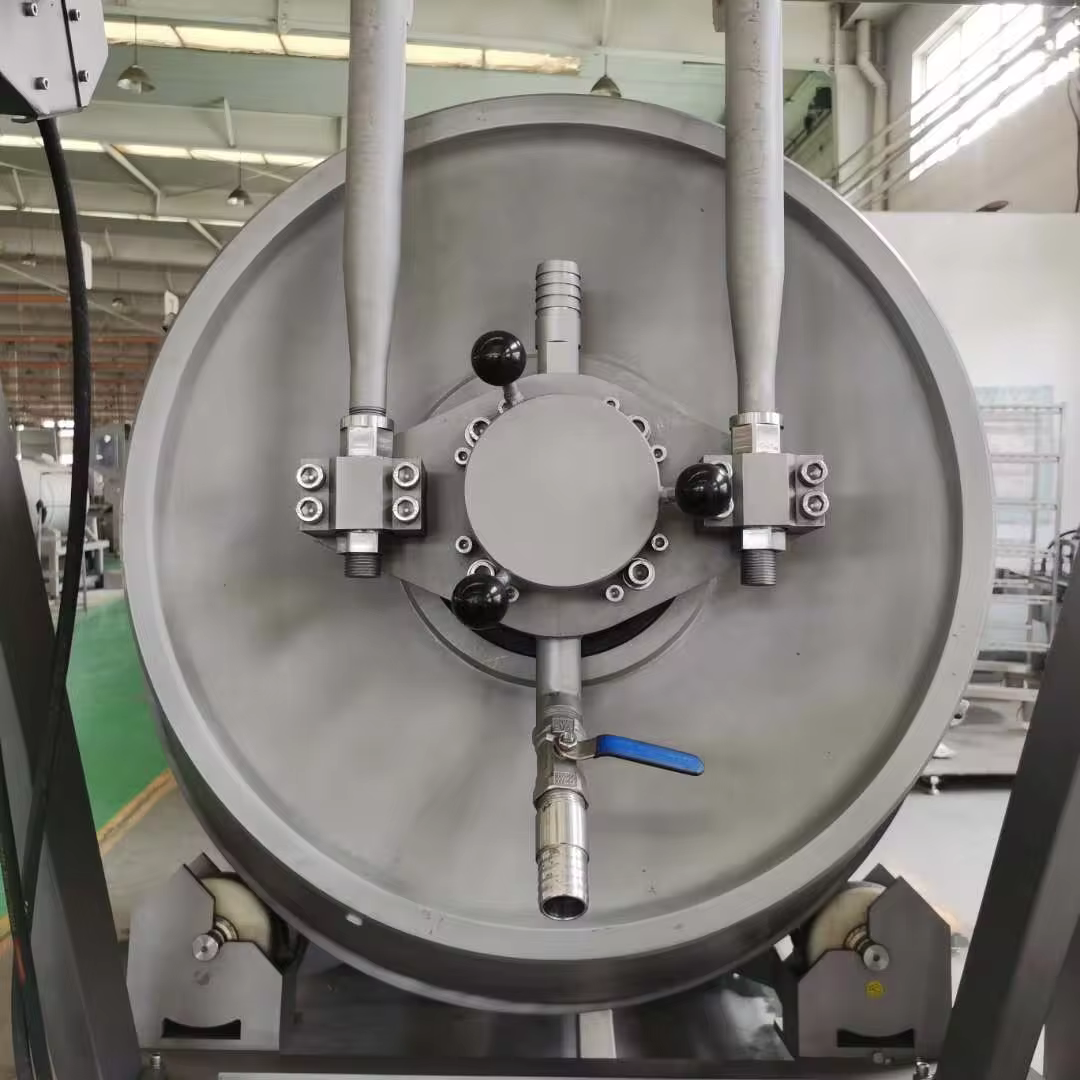
The vacuum environment physically expands meat cellular structures instantly. Negative pressure gently opens pores across the entire surface area. This action draws out salt-soluble proteins like myosin effectively. Extracted myosin acts as a highly functional natural glue. You absolutely need this binding effect for formed deli meats. It ensures slices hold together beautifully after the cooking phase. Kebabs and formed roasts also benefit immensely from this extraction.
Tumbling baffles work seamlessly alongside internal vacuum pressure. They drive marinades deep into extremely dense muscle cuts. Whole hams and thick briskets absorb complex flavors rapidly. You achieve complete liquid penetration in a fraction of the time. The physical massaging action breaks down internal tissue resistance. A cycle taking 24 hours passively finishes in under an hour.
Aggressive mechanical tenderizers often damage muscle fibers permanently. Needle injectors punch holes and compromise overall cut integrity. A vacuum tumbler machine takes a fundamentally different approach. It provides controlled, gentle massaging action inside the drum. This continuous motion softens tough connective tissue efficiently. The meat retains its premium visual appeal and structural integrity. You achieve tenderness without creating unwanted minced textures.
Best practice: Always balance vacuum depth against protein fragility. Delicate seafood requires far less negative pressure than heavy beef cuts. Adjusting parameters prevents cellular rupture during active processing cycles.
Buyers often fall into a very common purchasing trap initially. They see a 1,000-liter drum and expect massive output volumes. However, true working capacity hovers strictly around 60 percent. A 1,000-liter drum safely holds roughly 600 liters of product. You must leave adequate empty space inside the cylinder constantly. The meat needs room for proper drop-and-massage action. Overfilling destroys the mechanical tumbling effect entirely. The product will simply spin in a tight, useless block.
Vacuum pump architecture dictates long-term reliability and machine lifespan. Oil-filled pumps pull deeper vacuums consistently during heavy operation. They handle moisture-heavy environments reasonably well over time. Dry rotary vane pumps require slightly less regular maintenance overall. However, they occasionally struggle in extremely damp processing spaces.
| Pump Type | Vacuum Depth | Maintenance Needs | Best Environment |
|---|---|---|---|
| Oil-Filled Rotary | Excellent (Deep) | Regular oil changes required | High-moisture processing rooms |
| Dry Rotary Vane | Good (Moderate) | Low (no oil management) | Drier, temperature-controlled zones |
Temperature control impacts product safety directly during long cycles. Emulsified products typically require extended processing times inside the drum. Friction generates unwanted internal heat as meat drops repeatedly. An integrated glycol or chilling jacket prevents this dangerous temperature rise. Ambient tumbling works fine for short, simple marination cycles. Assess your specific recipe requirements before adding expensive cooling features.
Rotational variables impact different meat types significantly. Continuous rotation suits robust, heavy meat types perfectly. Intermittent rotation prevents delicate proteins from tearing prematurely. Reverse discharge functions simplify the messy unloading process immensely. Specialized baffle shapes matter greatly for daily operational success. Spiral baffles move heavy beef efficiently toward the rear. Paddle designs treat smaller poultry pieces gently during agitation.
Improper cycle programming introduces serious risks into your daily workflow. Over-tumbling breaks down protein structures aggressively and irreversibly. You will notice unpleasant "mushy" textures immediately after cooking. It also leads to excessive purge when removing items from the drum. You must calibrate cycle times carefully based on protein density. Do not assume longer cycles automatically yield better flavor profiles.
Sanitation access dictates operational safety and regulatory survival. Evaluate the machine footprint carefully for daily washdown procedures. You need seamless stainless welds inside the entire drum. Accessible trap filters prevent organic buildup in vacuum lines. Smart drain designs stop dangerous bacterial harborage entirely. HACCP compliance requires meticulous, documented cleaning protocols daily. A well-designed vacuum tumbler machine makes sanitation straightforward rather than burdensome.
Facility integration requires advance planning and structural assessment. Verify your electrical phasing capabilities early in the purchasing process. Tumblers draw significant power during startup and loaded rotation. Assess floor load-bearing limits carefully before finalizing placement. A fully loaded commercial machine weighs several tons easily. Map out chilled room spacing accurately to ensure operators move freely.
Use the following integration checklist chart to avoid common installation failures:
| Integration Phase | Common Risk Factor | Mitigation Strategy |
|---|---|---|
| Electrical Setup | Voltage drops under heavy load | Verify dedicated 3-phase power supply |
| Floor Placement | Vibration causing machine drift | Install heavy-duty leveling mounts |
| Plumbing/Drainage | Clogged lines from meat particulate | Use oversized floor drains near the discharge zone |
| Airflow/Clearance | Overheating vacuum pumps | Maintain a 3-foot clearance around motor housing |
Selecting the right equipment capacity determines your ultimate operational success. You must align drum volume with your actual daily throughput. Purchasing oversized units wastes power and requires excessive marinade volumes. Undersized units force staff to run multiple inefficient batches daily. Group your options logically based on facility size and goals.
Best practice for sizing: Always calculate your batch requirements based on the 60 percent working capacity rule. Do not base your daily schedule on the total drum volume. Accurate math prevents frustrating production bottlenecks after installation.
Upgrading your processing line requires strategic thinking and careful planning. A properly sized vacuum tumbler acts as a vital revenue-generating asset. It fundamentally transforms raw material into higher-yielding, premium finished products. It strictly standardizes flavor profiles while reducing grueling manual labor. The right machine balances true working capacity seamlessly alongside rapid sanitation. Overlooking washdown accessibility will destroy any time saved during processing.
You must evaluate your current facility limitations honestly before purchasing. Assess your exact electrical capacity, floor space, and cooling capabilities carefully. Match pump architectures to your specific room humidity and maintenance culture. Prioritize programmable controls if you manage large, rotating staff shifts.
Take immediate action by auditing your current yield losses thoroughly. Calculate exactly how much moisture evaporates during your cooking phases today. Request a formal trial or customized return-on-investment calculation from manufacturers. Base these calculations directly on your specific marinade uptake goals. Having concrete data ensures you request accurate quotes for the right machinery.
A: It depends heavily on the specific protein matrix. Typical commercial uptake targets range from 10% to 25% of the green weight. Regulatory limits regarding added water govern maximum allowable retention levels. Poultry absorbs liquid faster than dense beef cuts. Proper vacuum pressure helps lock this moisture inside the cellular structure.
A: It heavily reduces the need for harsh chemical tenderizers. The mechanical massaging softens connective tissue naturally. However, operators may still use needle injectors prior to tumbling. You often need injectors for extremely thick, dense cuts like whole hams. Tumbling disperses the injected liquid evenly afterward.
A: Mixers rely on internal paddles to fold ground meat. They operate at ambient pressure without drawing a vacuum. Tumblers use a rotating drum and negative vacuum pressure. They massage whole-muscle cuts gently without tearing them apart. Tumbling focuses on extraction, while mixing focuses on simple blending.
A: Cycle duration remains highly variable across different products. Fragile seafood may take only 15 minutes to finish. Poultry usually requires 30 to 45 minutes of processing. Dense beef or thick pork curing can require intermittent cycles. These complex programs sometimes span 2 to 4 hours total.