An industrial food processor is a core piece of equipment in modern commercial kitchens and food production facilities. As menus expand and demand grows, manual preparation quickly becomes inefficient and inconsistent. This type of processor is designed to handle large volumes of ingredients, deliver uniform results, and reduce labor pressure. From slicing vegetables to grinding meat and emulsifying sauces, an industrial food processor supports faster workflows and reliable food quality across many industries.
How an Industrial Food Processor Works
At its core, the machine uses a powerful motor to drive blades or discs at controlled speeds. Ingredients move through a bowl, chute, or hopper and are reduced to a specific size or texture.
Key working modes include:
Batch processing – food is loaded, processed, then removed
Continuous feed processing – food enters and exits nonstop
Most machines include safety interlocks. They stop operation if lids or bowls are not locked correctly.
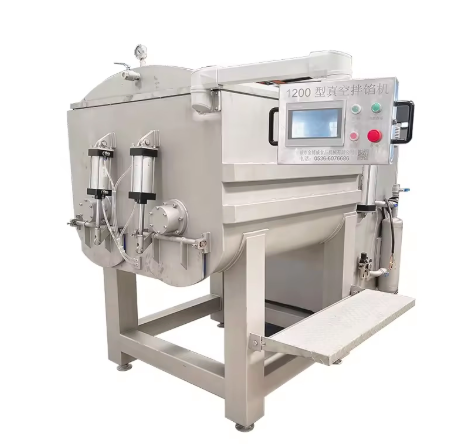
Industrial Food Processor vs Regular Food Processor vs Blender
| Feature | Industrial Food Processor | Regular Food Processor | Blender |
| Capacity | Very high | Low to medium | Medium |
| Motor power | 1–5 HP or more | <1 HP | High RPM, lower torque |
| Best for | Solid food prep | Home cooking | Liquids |
| Run time | Continuous | Short cycles | Short cycles |
| Texture control | High | Medium | Low |
A blender needs liquid to work properly. An industrial food processor does not. It handles solid, dense, frozen, or sticky materials easily.
What Can an Industrial Food Processor Do?
An industrial food processor handles many preparation tasks using a single machine. By changing blades or discs, it adapts to different cutting styles, textures, and outputs. This flexibility allows kitchens to process large volumes efficiently without switching equipment.
Core Functions
Industrial food processors are designed to reduce manual work in commercial kitchens. They chop vegetables and fruits evenly, slice and shred produce or cheese at consistent thicknesses, and dice ingredients to precise dimensions. Many models grind meat or frozen blocks, puree sauces and pastes smoothly, knead dough evenly, and emulsify mixtures for stable textures. These functions support speed, consistency, and repeatable results in high-volume environments.
Common Food Types They Handle
Industrial food processors work across a wide range of ingredients. They process fresh vegetables and fruits daily, handle frozen ingredients without excessive strain, and reduce meat and seafood efficiently. Cheese blocks, cooked foods, and dense mixtures pass through easily, while slurries and semi-liquid products are processed with controlled texture. This versatility makes the machine suitable for diverse menus and production lines.
Main Components of an Industrial Food Processor
Knowing the main components helps buyers choose the right machine. Each part influences performance, safety, and long-term reliability in commercial use.
Motor and Power
The motor determines how well an industrial food processor performs under load. Light-duty units handle basic prep tasks, while medium-duty motors support larger batches and denser foods. Heavy-duty motors deliver high torque for frozen, fibrous, or tough ingredients and allow continuous operation. Torque matters more than speed because it keeps the machine cutting consistently without stalling.
Blades and Cutting Discs
Blades and discs define what the machine can do. Knife blades chop and mix, slicing discs create uniform cuts, and shredding discs handle cheese or vegetables efficiently. Dicing grids produce precise cube sizes, while grating plates reduce hard foods quickly. Interchangeable attachments expand functionality and reduce the need for multiple machines.
Feed Systems
The feed system controls how ingredients enter the processor. Feed tubes guide food safely toward the blade, hoppers support high-volume input, and pump-fed inlets move liquids or slurries continuously. A well-designed feed system improves speed, protects operators, and maintains consistent output.
Build Materials
Industrial food processors are built for demanding environments. Stainless steel housings resist corrosion and withstand frequent cleaning, while food-grade plastics reduce weight without sacrificing safety. Sealed bearings protect internal components from moisture and debris, helping extend machine life and reduce maintenance needs.
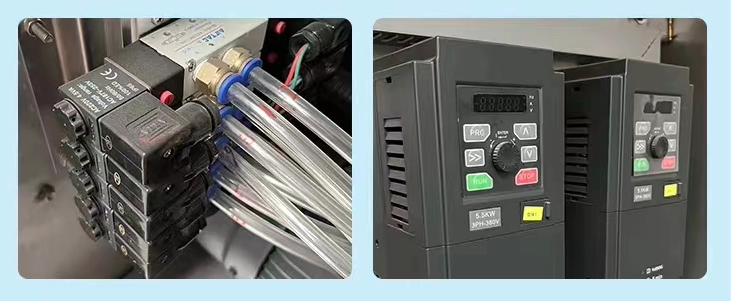
Types of Industrial Food Processors
Different kitchens require different processing designs. The table below shows the main types of industrial food processors and where they work best.
| Type | Best For | Key Features | Typical Applications |
| Batch Bowl Industrial Food Processors | Small to medium production | Enclosed bowl, S-blade or knife blade, flexible use | Restaurants, test kitchens, recipe prep |
| Continuous Feed Industrial Food Processors | High-volume output | Chute-fed input, non-stop operation, uniform cuts | Catering, institutional kitchens |
| Combination Industrial Food Processors | Mixed workloads | Batch bowl head + continuous feed head | Restaurants with varied daily prep |
| Buffalo Choppers (Bowl Choppers) | Dense, tough ingredients | Large rotating blades, strong motors, open bowls | Butcher shops, food processing plants |
| Vertical Cutter Mixers (VCMs) | Very large batches | High-capacity bowls, powerful motors | Hospitals, schools, large catering |
| Manual & Specialized Processors | Limited or mobile use | Non-electric, compact, task-specific | Food trucks, mobile kitchens |
How to Choose the Right Industrial Food Processor
Choosing the right industrial food processor starts with understanding how your kitchen actually operates. Volume, ingredients, staff skill level, and future growth all influence the best choice.
Production Volume
Begin by estimating how much food you process each day. Small or moderate volumes work well with batch bowl machines, which allow controlled processing and recipe flexibility. High-output kitchens benefit from continuous feed processors that run without stopping and reduce prep bottlenecks. Planning for growth matters, because upgrading later often costs more than choosing a larger machine upfront.
Food Type
Different foods place different demands on the processor. Soft vegetables and cooked ingredients cut easily and require less power. Frozen items, dense roots, cheese blocks, and raw meat need higher torque and stronger blades. Matching the processor to your primary ingredients prevents stalling, uneven cuts, and excessive wear.
Speed and Control
Speed control affects food texture and consistency. Variable speed settings allow gentle processing for delicate foods and faster cutting for bulk prep. Pulse functions help avoid over-processing when precise texture matters. RPM numbers look impressive, but torque determines whether the machine keeps cutting under load.
Cleaning and Maintenance
Cleaning time impacts daily efficiency. Processors with tool-free disassembly allow faster breakdown and reassembly. Smooth surfaces prevent food buildup, and dishwasher-safe parts reduce manual washing. Easy maintenance keeps staff focused on production instead of equipment care.
Safety Features
Safety is critical in busy kitchens. Bowl and lid interlocks prevent accidental startup, while emergency stop buttons allow instant shutdown. Overload protection helps avoid motor damage during heavy use. These features protect both workers and the machine during long shifts.
Industries That Use Industrial Food Processors
Industrial food processors play a key role across many food-related industries. They help operations maintain speed, consistency, and food safety at scale.
Commercial kitchens use them to handle daily prep efficiently during peak service hours.
Catering companies rely on them for high-volume slicing, shredding, and dicing with consistent results.
Food manufacturing plants depend on industrial processors for repeatable output and standardized product quality.
Bakeries use them for dough mixing, grating, and ingredient preparation.
Meat processing facilities require powerful processors to handle dense proteins and large cuts safely.
Juice and beverage producers use them to reduce fruits and vegetables before extraction.
Institutional food services, such as schools and hospitals, depend on them for bulk preparation and consistent portions.
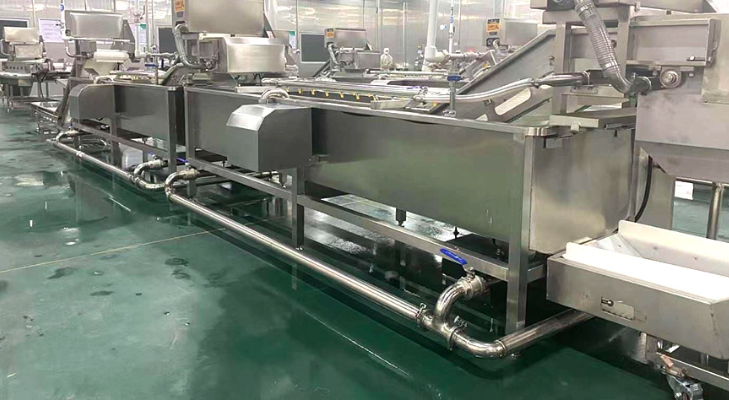
Benefits of Using an Industrial Food Processor
Businesses invest in industrial food processors because the benefits extend beyond speed alone. These machines support efficient workflows and long-term cost savings.
They increase productivity by reducing prep time and allowing staff to process larger volumes quickly.
They improve consistency, ensuring uniform cuts and repeatable textures across every batch.
They reduce manual labor, lowering physical strain and allowing staff to focus on higher-value tasks.
They minimize food waste by producing precise cuts and reducing trimming losses.
They enhance kitchen safety by limiting direct contact with blades and heavy ingredients.
They scale easily as demand grows, supporting business expansion without major process changes.
Maintenance and Best Practices
Routine Care
Cleaning after each use prevents food buildup and maintains hygiene standards. Regular blade inspections help detect dull edges or damage before performance drops. Checking seals and locking mechanisms ensures safe operation during every shift. Consistent routine care reduces unexpected downtime.
Long-Term Care
Following manufacturer guidelines helps maintain warranty coverage and optimal performance. Replacing worn parts early prevents larger mechanical failures. Avoiding overloading protects the motor and drive system from unnecessary stress. Long-term care improves reliability and extends the processor’s usable lifespan.
Frequently Asked Questions
Q: What is an industrial food processor used for?
A: An industrial food processor prepares large volumes of food by chopping, slicing, shredding, dicing, grinding, or mixing ingredients quickly and consistently.
Q: How is an industrial food processor different from a commercial blender?
A: An industrial food processor handles solid, dense, and dry ingredients, while a blender mainly works with liquids and soft mixtures.
Q: Can an industrial food processor process frozen food?
A: Yes, many industrial food processors handle frozen vegetables, meat blocks, and cheese when equipped with high-torque motors and suitable blades.
Q: Is an industrial food processor suitable for small restaurants?
A: It can be suitable if the restaurant handles frequent prep or plans to scale, especially with compact batch bowl or combination models.
Q: Are industrial food processors safe to use?
A: Yes, they include safety interlocks, emergency stop buttons, and overload protection to reduce the risk of accidents.
Conclusion
Choosing the right industrial food processor improves productivity, consistency, and safety in daily operations. With the proper machine, kitchens reduce prep time, minimize waste, and scale output without sacrificing quality. For businesses seeking dependable equipment and professional supply support, Shandong Huiyilai International Trade Co., Ltd. provides industrial food processors and related solutions designed to meet the needs of commercial kitchens and food processing operations worldwide.


