Frying onions presents unique operational challenges for any commercial kitchen. Whether you process breaded rings, large blooming onions, or delicate crispy strings, you face distinct variables. High moisture content, rapid oil temperature drops, and heavy batter sediment complicate the cooking process immensely.
Selecting the wrong equipment leads to severely degraded oil life. You will also experience inconsistent product quality and heavily bottlenecked kitchen workflows. Bad oil ruins the flavor profile of your food. It darkens the exterior of the batter before the interior onion cooks properly.
This guide provides a technical, vendor-neutral framework for evaluating your equipment options. We will help you select the ideal setup based on production volume, energy constraints, and facility requirements. You will learn how to balance vat capacity, recovery times, and filtration systems. Ultimately, you can build a highly profitable frying station.
Key Takeaways
- Sediment management is critical: Breaded onions require fryers with cold zones (typically tube fryers) to prevent batter debris from scorching and ruining oil.
- Recovery time dictates throughput: High-moisture onions rapidly cool oil; high BTU (gas) or efficient immersion elements (electric) are required to maintain the Maillard reaction.
- Scale determines format: Independent restaurants benefit from batch fryers, while industrial food processors require continuous frying belts.
- Built-in filtration yields the highest ROI: Extending oil life offsets equipment costs, especially given the heavy particulate output of battered onion products.
The Unique Demands of Frying Onions at a Commercial Scale
Onions act differently in hot oil compared to dense proteins or starchy potatoes. Understanding these behavioral differences is essential before purchasing any equipment. Kitchen operators often underestimate the toll these vegetables take on standard cooking oil.
The Moisture Challenge
Fresh and frozen onions contain exceptionally high water content. Plunging them into hot oil causes an immediate, severe temperature drop. The equipment must quickly recover its temperature to keep the food crisp. Slow recovery leads to soggy, grease-logged food. The Maillard reaction stops entirely if the temperature falls too low for too long.
The Sedimentation Problem
Breading and wet batters inevitably detach during the cooking process. Flaking debris sinks directly to the bottom of the vat. A designated "cold zone" remains vital to catch this debris. Without a cold zone, the sediment carbonizes, instantly ruining the oil flavor. Burnt flour particles create acrylamides and bitter tasting compounds.
Space and Flotation Dynamics
Onions boast a wide surface area and tend to float as they cook. They spread out across the surface rather than stacking densely in baskets. Therefore, vat width often matters significantly more than absolute vat depth. You need ample surface area to prevent overlapping. Overlapping causes pale, undercooked spots on the breading.
Tube vs. Open Pot vs. Continuous: Selecting the Right Fryer Profile
Different frying mechanisms handle sediment and volume in completely different ways. Choosing the wrong profile will destroy your daily oil budget. Let us examine the three primary configurations available today.
Tube Fryers (Best for High-Sediment/Breaded Onions)
Heating tubes sit slightly above the bottom of the vat in this design. This creates a large, distinct cold zone beneath the heat source. They are ideal for rings and blooming onions. Falling batter drops into the cooler oil below the tubes. The batter will not burn, which drastically extends your oil life. Routine cleaning takes a bit more effort around the tubes, but the oil savings justify the labor.
Open Pot Fryers (Use with Caution)
Manufacturers apply heat directly to the exterior bottom of the vat here. This configuration offers almost zero cold zone. They are exceptionally easy to wipe down and clean. However, experts highly discourage them for wet-battered onions. Burnt sediment rapidly degrades the oil quality. You will find yourself dumping dark, smoking oil far too frequently.
Continuous Frying Machines (For Industrial Processors)
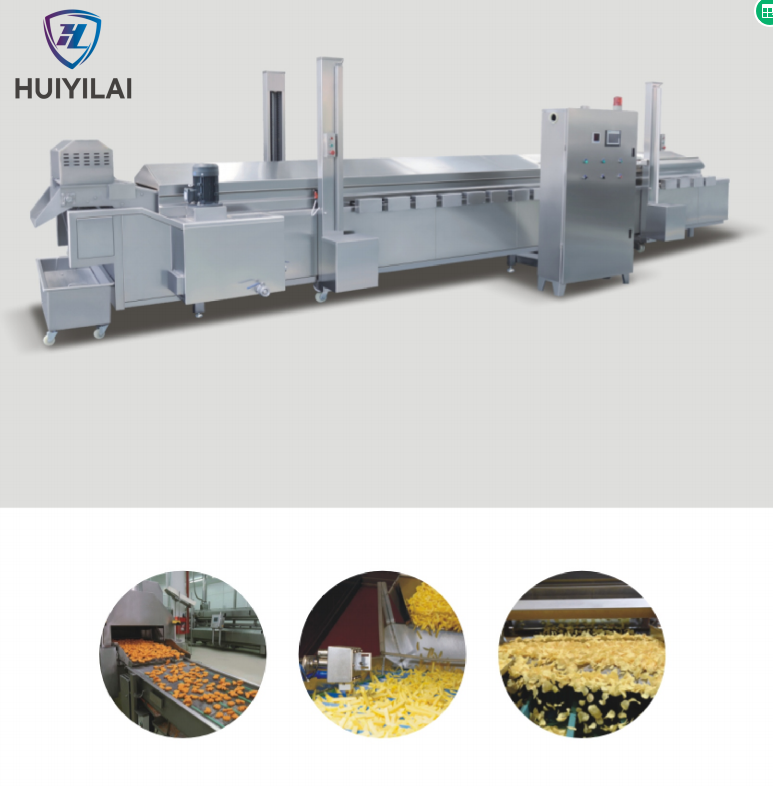
Conveyor belts move bulk product automatically through a heated oil bath. They represent the ultimate solution for manufacturing crispy fried onions at scale. Processing massive volumes per hour demands a specialized onion frying machine. These units require higher initial capital but deliver unmatched consistency for wholesale production. They regulate temperature perfectly across multiple heating zones.
Fryer Type Comparison Summary | Fryer Type | Cold Zone Size | Best Application | Oil Lifespan Impact |
| Tube | Large | Breaded Rings, Blooming Onions | Excellent (prevents burning) |
| Open Pot | Minimal | Lightly Salted Fries (Not Batter) | Poor for heavy sediment |
| Continuous | Variable/Managed | Industrial Wholesale Processing | Highly efficient at scale |
Gas vs. Electric Onion Frying Machines: Which Power Source Fits?
Power availability often dictates your final equipment choice. Both utility options offer distinct advantages for commercial kitchens. You must audit your facility thoroughly before making a decision.
Commercial Gas Fryers (Natural Gas or Propane)
Gas units deliver incredibly fast heat-up times. Depending on your region, they generally offer lower utility costs.
- Pros: They easily achieve the massive BTUs needed for rapid recovery after dropping frozen rings. The initial heat blast overcomes the temperature drop instantly.
- Cons: Gas equipment requires specialized hookups. You must install strict exhaust ventilation and complex fire suppression systems. Routine maintenance involves checking pilot lights and calibrating gas valves.
Commercial Electric Fryers
Electric elements sit directly in the oil. This creates highly efficient heat transfer.
- Pros: You get extremely fast recovery times between batches. The heating elements directly touch the oil, wasting zero energy. They are easier to install in small venues or concession stands lacking gas lines.
- Cons: High-capacity models require heavy-duty electrical infrastructure. You typically need robust 3-phase power. Electricity can also be more expensive at scale depending on local utility rates.
Sizing Your Machine: Capacity, BTU, and Recovery Time
Selecting the correct size ensures you can meet peak demand. Focus on three critical metrics to find the perfect fit.
- Matching Vat Capacity to Output: Your daily volume determines the necessary vat size. A standard 40-pound unit handles moderate restaurant volume perfectly. Conversely, you need 70-pound units for high-volume concession stands. Always size up slightly to accommodate unexpected weekend rushes.
- Evaluating BTU/Kilowatt Ratings: A higher energy rating directly translates to faster recovery time. You must avoid underpowering your station. An underpowered unit cannot return to 350°F (175°C) quickly. It will yield greasy, oil-logged onions. Ensure the heat output matches the heavy vat capacity.
- Evaluating the Footprint: Factor your overall kitchen layout into the decision. Small venues often require narrower, multi-vat configurations. Multiple smaller vats allow you to fry onions simultaneously alongside other menu items. This prevents unwanted flavor transfer between spicy items and delicate foods.
Essential Features for ROI: Filtration, Automation, and Compliance
Advanced features transform a basic vat into a highly profitable workstation.
Integrated Oil Filtration Systems
Consider built-in filtration a necessity, not a luxury. Battered products leave immense debris behind. Daily filtration easily doubles the lifespan of your frying oil. You will see massive financial savings over a 12-month period. Automated filtration encourages staff to clean the oil regularly without handling dangerous hot liquids.
Programmable Controls and Automation
Modern equipment offers automatic basket lifts. Programmable timers remove human error from precise cook times. These features guarantee your rings emerge perfectly golden every single batch. Staff simply press a button and walk away to plate other dishes. This reduces kitchen stress immensely during service hours.
Safety and Code Compliance
Never compromise on safety certifications. Ensure the unit carries non-negotiable certifications like NSF, UL, or CE. Local health inspectors check these stamps rigorously. You must also note the required integration for Type 1 commercial hood systems. Follow all local fire suppression protocols rigidly to protect your staff and facility.
How to Shortlist and Evaluate Manufacturers
Careful vendor evaluation prevents massive operational headaches later. Look beyond the initial marketing brochures.
Requesting Spec Sheets
Always demand detailed technical specification sheets. You must verify specific numbers before purchasing. Look closely at recovery time curves and cold zone volume. A larger cold zone protects oil better. Review the warranty terms carefully to understand your exact coverage on parts and labor.
Parts Availability and Service SLAs
Equipment inevitably breaks down during peak service hours. You must choose a vendor offering a robust local service network. Verify their Service Level Agreements (SLAs). Quick access to replacement parts prevents extended, costly downtime. Ask if they stock heating elements and thermostats locally.
Next-Step Actions
Recommend requesting a live equipment demo. Watch the unit recover its temperature in real-time. Alternatively, consult directly alongside a commercial kitchen designer. They will verify your utility compatibilities and spatial constraints before installation day.
Conclusion
Finding the perfect equipment requires a careful balance of variables. Match the type and power source to your specific operational reality. Utilize tube designs for heavy sediment control. Select your power source based on utility access. Size the capacity accurately based on your anticipated peak demand.
Always prioritize high recovery speed and proactive sediment management. Investing in these features provides the ultimate defense against poor product quality. You will save enormous amounts of money on replacement oil. By making an informed decision, you protect your menu quality and streamline your daily kitchen operations.
FAQ
Q: What is the best fryer type for breaded onion rings?
A: Tube fryers stand out as the absolute best choice for breaded rings. Their design features heating tubes positioned slightly above the bottom. This creates a dedicated cold zone where falling batter can settle safely. By trapping sediment in cool oil, you prevent burning and drastically extend your oil lifespan.
Q: Can I use an open pot fryer for blooming onions?
A: We strongly advise against it. Open pot designs apply heat directly to the bottom of the vat, virtually eliminating the cold zone. Blooming onions drop heavy amounts of wet batter. In an open pot, this sediment carbonizes immediately, forcing frequent and expensive oil replacements.
Q: How much oil capacity do I need for a small concession stand selling onions?
A: A practical baseline is a 35 to 40-pound vat capacity. This size comfortably handles moderate, steady orders in a compact footprint. However, ensure the unit possesses a high BTU or Kilowatt rating. Fast recovery time remains more important than sheer volume.
Q: Is a continuous onion frying machine worth the investment?
A: Continuous conveyor models are strictly designed for wholesale manufacturing, packaged food production, or massive volume operations. They require high capital and significant floor space. If you process upwards of 500 pounds per hour, the unmatched consistency and automated labor savings make them incredibly worthwhile.


