You can make your own vegetable wash at home. You get better results if you use a food washing machine. This mix helps you take off almost all pesticides. It also removes almost all harmful bacteria. Salt water or vinegar solutions work best for this. Look at the table below to see how each cleaning method works:
Washing Method | Pesticide Removal (%) |
Tap water | Up to 80% |
Salt water (10%) | Up to 100% |
Commercial washes | No significant improvement |
A cleans all your produce well. It helps keep your kitchen safe and fresh.
A food washing machine with homemade vegetable wash cleans fruits and vegetables better than washing by hand. Simple mixes like vinegar and water or salt and water can remove most pesticides and bacteria. These mixes are safe and cheap. Always rinse fruits and vegetables with clean water after washing. This removes any leftover wash and makes them taste better. Clean your food washing machine after every use. This stops bacteria and keeps the machine working well. Pick the right wash solution and machine cycle for each type of produce. This helps you get the best cleaning results.
Food Washing Machine Basics
How It Works
A food washing machine helps you clean fruits and vegetables fast. You put your produce inside the machine. Water jets spray the food from every direction. Some machines spin the food or use a vortex to move it. This helps take off dirt, pesticides, and bacteria from all sides. You do not have to scrub each fruit or vegetable by hand. The machine does the cleaning for you.
Many food washing machines are made with food-grade stainless steel. This keeps your food safe and makes the machine easy to clean. Some machines use ultrasonic waves or bubble technology. These features help remove tiny bits you cannot see. You get cleaner produce with less work.
Key Features
Modern food washing machines have many helpful features. Here are some of the most important ones:
Quick Wash Cycles: Some machines can wash your vegetables in under 30 minutes.
Automatic Detergent Injection: The machine puts in the right amount of cleaning solution for you.
Energy and Water Efficiency: Newer models use less water and power. This saves you money and helps the planet.
Durable Construction: Stainless steel parts last longer and do not rust easily.
Quiet Operation: Many machines are quiet, so you can use them anytime.
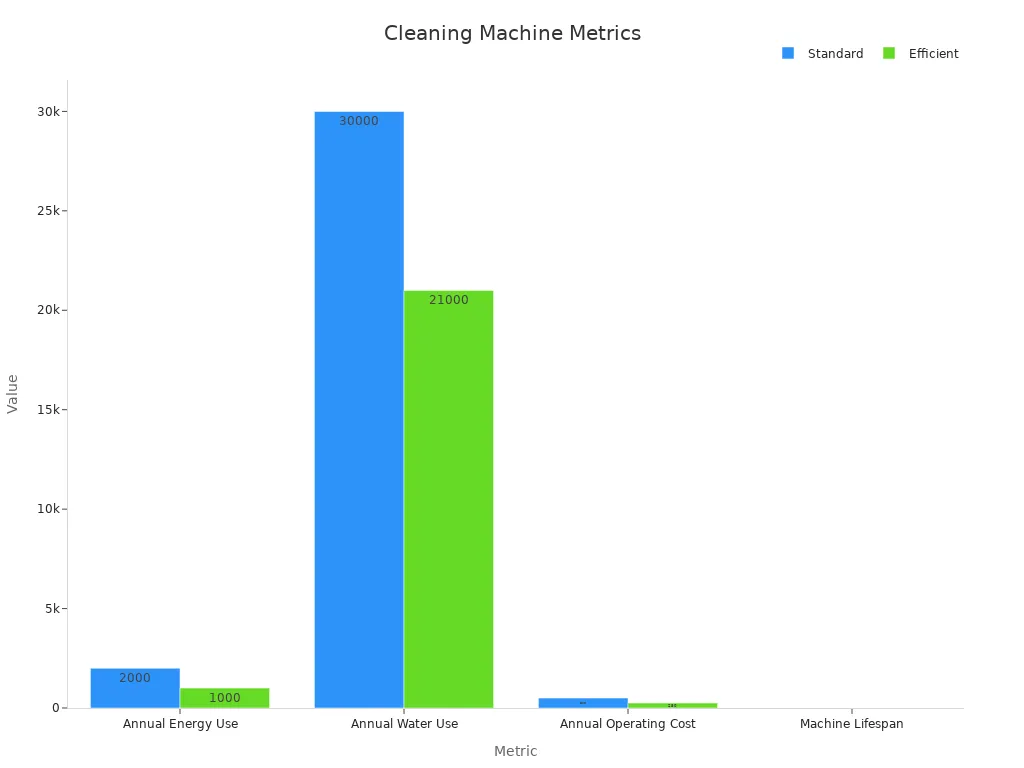
Check out this table to see how well these machines work:
Metric | Standard Washing Machines | Energy-Efficient Washing Machines | Improvement / Benefit |
Annual Energy Use | 2,000 kWh | 1,000 kWh | 50% reduction |
Annual Water Use | 30,000 Liters | 21,000 Liters | 30% reduction |
Annual Operating Cost | $500 | $250 | 50% cost saving |
Machine Lifespan | 5 years | 6 years | 15% longer lifespan |
CO2 Emissions Reduction | N/A | 30% less emissions | Environmental benefit |
Tip: If you own a restaurant, a food washing machine can clean lots of vegetables at once. This saves you time and helps your kitchen run better.
You can use these machines at home or in a restaurant kitchen. They work for potatoes, carrots, leafy greens, and root vegetables. With the right machine, you always get clean and safe produce.
Homemade Vegetable Wash Solutions
2-Ingredient Produce Wash
You do not need special chemicals to clean vegetables. You can make a simple 2-ingredient produce wash at home. Most people use vinegar and water or salt and water. These mixes are safe, cheap, and easy to make.
Here are three easy recipes you can try:
Solution Type | Ingredients | How to Use in Machine |
Vinegar + Water | 1 cup vinegar + 4 cups water | Soak produce for 5-10 minutes, then rinse |
Salt + Water | 2 tablespoons salt + 4 cups water | Soak for 10 minutes, then rinse well |
Baking Soda + Water | 1 tablespoon baking soda + 4 cups water | Soak for 10-15 minutes, then rinse |
Tip: Always rinse your vegetables with clean water after soaking. This helps get rid of any leftover taste or bits from the wash.
A science study showed that vinegar and water works better than just water. The vinegar mix lowers germs and bacteria, especially on cucumbers. The study also found salt water helps, but vinegar and water is the best 2-ingredient produce wash for most vegetables.
Make Your Own Veggie Wash
You can make your own veggie wash in a few minutes. You only need simple kitchen items. Never use dish soap or bleach. These can leave bad chemicals on your food and might not wash off.
Here is how to make and use your homemade vegetable wash with a food washing machine:
Pick Your Solution: Choose vinegar and water, salt and water, or baking soda and water.
Mix the Solution: Put the ingredients in a big bowl or right in your food washing machine’s tank.
Add Your Produce: Put your fruits and vegetables in the machine.
Soak: Let the machine soak and move the produce for the right time. Most machines, like those from Shandong Huiyilai International Trade Co., Ltd., have timers and gentle water jets that help the solution reach every part.
Rinse: After soaking, run a clean water cycle to wash off any leftover solution.
Note: Do not use dish soap or bleach. These are not safe for food and can make you sick.
You can use these homemade washes for almost any fruit or vegetable. Vinegar and water works best for leafy greens and cucumbers. Salt water is good for root vegetables like potatoes and carrots. Baking soda and water helps clean apples and grapes.
If you want safe and fresh produce, use a homemade vegetable wash and a food washing machine. You get clean food without strong chemicals. You also save money and keep your family healthy.
How to Use a Food Washing Machine
Preparation Steps
Getting your produce ready is the first step. Start by sorting your fruits and vegetables. Remove any leaves, stems, or parts you do not want to eat. If you see dirt or mud, shake it off or brush it away. This makes the cleaning process easier.
Next, check your food washing machine. Make sure it is clean and empty. If you use a commercial vegetable washing machine or an industrial vegetable washer, look at the user manual for any special instructions. Place your produce inside the washing basket or drum. Do not overload the machine. Give each item enough space so water can reach every surface.
Tip: Cut large vegetables, like potatoes or carrots, into smaller pieces. This helps the machine clean them better.
Adding the Wash Solution
Now you need to add your homemade vegetable wash. Pick the solution you want to use. You can choose vinegar and water, salt and water, or baking soda and water. Each one works well for different types of produce. For example, salt water is great for root vegetables, while vinegar and water is perfect for leafy greens.
Pour the wash solution into the machine’s tank. Many food washing machines have a marked line to show how much liquid you need. If you use a root vegetable washer or a vortex cleaning line, follow the instructions for the right amount. Make sure the solution covers all the produce. This helps every piece get a good soak.
If your machine has an automatic detergent injection feature, you can let it add the solution for you. Just fill the detergent compartment with your homemade wash and select the right setting.
Note: Always use food-safe solutions. Never use dish soap or bleach in your machine.
Washing and Rinsing
You are ready to start washing. Close the lid and select the right cycle. Most machines have different settings for soft or hard produce. Choose a gentle cycle for leafy greens and a stronger one for root vegetables.
Let the machine run. The water jets and rotating drum will move your produce around. This action helps the wash solution soak every part. Usually, you need to soak your produce for 5 to 15 minutes, depending on the type and how dirty it is.
After the soak, start the rinse cycle. The machine will spray clean water to wash away any leftover solution. Some models, like those from Shandong Huiyilai International Trade Co., Ltd., have a special rinse mode for extra cleaning.
When the cycle finishes, take out your clean produce. Let it air dry or pat it dry with a clean towel.
Pro Tip: Clean your machine after each use. Wipe down the inside and remove any leftover bits. This keeps your food washing machine working well and helps prevent bacteria buildup.
Here is a quick checklist for best results:
Step | What to Do |
Prep Produce | Remove dirt, cut large pieces |
Add Solution | Pour in homemade wash, cover food |
Select Cycle | Choose gentle or strong wash |
Soak | Let produce soak for 5-15 minutes |
Rinse | Run clean water cycle |
Dry | Air dry or towel dry produce |
Using a food washing machine makes cleaning fruits and vegetables easy. You save time and get better results than washing by hand. Try different settings and solutions to see what works best for your kitchen.
Safety and Effectiveness
Food Safety Tips
You want your fruits and veggies to be safe to eat. Using a homemade vegetable wash with a food washing machine helps a lot. These machines, like those from Shandong Huiyilai International Trade Co., Ltd., are made with food-grade stainless steel (SS304). This material keeps your food safe and follows hygiene rules.
Here are some easy ways to keep food safe when using a vegetable washing machine:
Wash your hands first. Clean hands stop germs from getting on your produce.
Clean the machine before and after use. Wipe the inside and take out any leftover pieces. This keeps bacteria from growing.
Use only food-safe solutions. Use vinegar, salt, or baking soda mixes. Never use dish soap or bleach.
Avoid cross-contamination. Wash fruits and vegetables away from raw meat or seafood. If you use your machine for different foods, clean it well each time.
Tip: Always rinse your produce with clean water after using any homemade vegetable wash. This gets rid of leftover solution and keeps your food tasting good.
Cleaning Results
You may wonder if homemade vegetable wash really works. The answer is yes! When you use a food washing machine, you get even better results. The strong water jets and spinning drum clean every part of your produce. This takes off dirt, pesticides, and bacteria better than washing by hand.
Look at this quick chart:
Cleaning Method | Effectiveness | Best For |
Hand washing with water | Good | Lightly dirty produce |
Homemade wash + hand washing | Better | Most fruits and veggies |
Homemade wash + washing machine | Best | Leafy greens, root veggies, big batches |
You save time and get cleaner food. You also lower the chance of getting sick from food. If you run a restaurant or food business, a commercial vegetable washing machine helps you clean lots of produce and follow safety rules.
Remember: Clean produce means safer meals for you and your family. Try different homemade washes and machine settings to see what works best in your kitchen.
It is easy to make your own vegetable wash. Using a food washing machine helps you get cleaner food. Your fruits and vegetables will be safer to eat at home or work. Many people notice their veggies last longer and look nicer this way. You can try different safe mixes and machine settings to find what you like best. A vegetable washing machine lets you eat fresh and healthy food every day.
FAQ
How often should you clean your food washing machine?
Clean your vegetable washing machine after each use. This helps your machine work well. It also stops bacteria from growing inside. Always wipe the inside and take out any leftover food.
Can you use homemade vegetable wash in a commercial vegetable washer?
You can use homemade vegetable wash in a commercial washer. Make sure you only use food-safe things like vinegar, salt, or baking soda. Never put dish soap or bleach in your machine.
What types of produce can you clean with a vegetable washing machine?
You can wash almost any fruit or vegetable. Leafy greens, root vegetables, potatoes, carrots, apples, and grapes all work. Machines from Shandong Huiyilai International Trade Co., Ltd. can clean big batches for restaurants or homes.
Does a food washing machine remove pesticides and bacteria better than hand washing?
Yes! A food washing machine uses strong water jets and a spinning drum. This takes off more pesticides and bacteria than hand washing. Your produce will be cleaner and safer every time.


