How to manufacture dry fruit? Using modern food dryer machines, you can turn fresh fruits into delicious, long-lasting snacks while keeping most nutrients intact. Whether you’re producing dried mangoes, apricots, or raisins, understanding the right drying techniques, preprocessing steps, and storage methods is key. In this guide, we’ll explore the complete process of making high-quality dry fruits, compare drying methods, and show how food dryer machines optimize efficiency and maintain flavor, color, and nutrition for commercial production.
What Are Dry Fruits?
Dry fruits are fruits from which most of the water has been removed. They keep their natural flavors, sugars, and nutrients in a concentrated form. Because they lose moisture, they last longer and are easier to store than fresh fruits.
Types of Dry Fruits
Dry fruits generally fall into two main categories:
Natural Dry Fruits: Fruits dried naturally, either in the sun or through traditional air-drying. They include raisins, figs, and dates.
Processed Dry Fruits: Fruits dried using modern technology, like hot air dryers or freeze-drying. Examples include dried mangoes, apples, and apricots.
Nutritional Value of Dry Fruits
Dry fruits pack a punch nutritionally. They are:
High in fiber, which aids digestion.
Rich in vitamins, especially vitamin A, C, and some B vitamins.
Contain minerals like potassium, magnesium, and iron.
Provide natural sugars for quick energy.
Full of antioxidants, helping protect cells from damage.
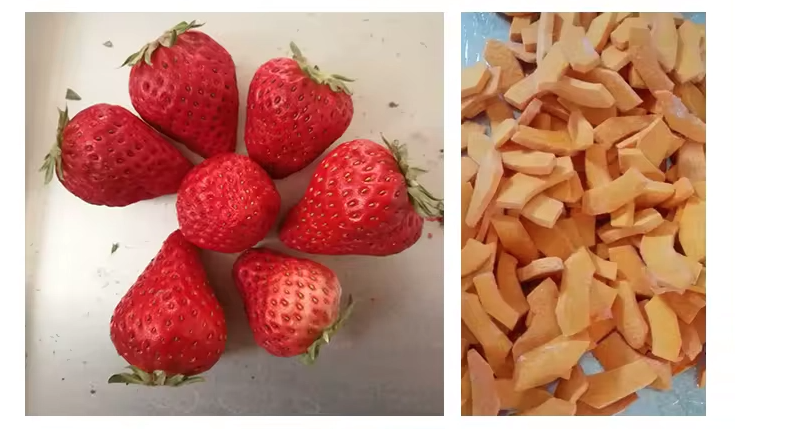
Why Manufacturing Dry Fruit is Important
Dried fruits are more than tasty snacks. They play a vital role in the food industry and beyond. Their value comes from convenience, nutrition, and versatility.
Commercial Significance
Dried fruits serve multiple sectors:
Food industry: Used in cereals, granola bars, and energy snacks.
Bakeries: Enhance muffins, cakes, bread, and pastries.
Restaurants and cafés: Add flavor and texture to desserts, salads, and garnishes.
They allow chefs and manufacturers to create consistent, high-quality products year-round.
Shelf Life and Storage Benefits
Dry fruits last far longer than fresh fruits due to moisture removal. Benefits include:
Easy storage in cool, dry places.
Less risk of spoilage or mold growth.
Convenient for shipping and global distribution.
| Feature | Dried Fruits | Fresh Fruits |
| Shelf Life | Months to years | Days to weeks |
| Storage Needs | Cool, dry, airtight | Refrigeration |
| Transport Ease | Lightweight, stable | Sensitive, perishable |
Health Benefits Retained Through Proper Drying
Proper drying methods help fruits keep most of their nutrients. Vitamins like A and C experience minimal loss, while fiber remains intact, aiding digestion. Natural sugars provide a quick energy boost without the need for added preservatives. Antioxidants also survive the drying process, supporting overall health. Freeze-dried fruits retain almost all their original nutrients, whereas air-dried fruits remain a nutritious and convenient alternative for snacking or cooking.
Step-by-Step Process of Manufacturing Dry Fruit
Manufacturing dried fruits involves a careful sequence of steps. Each stage ensures the final product is flavorful, nutritious, and safe for consumption.
Step 1 – Selecting the Right Fruits
Choosing the right fruits is crucial for quality dried products:
Criteria: Ripeness, texture, size, and variety matter.
Sources: Local farms, organic orchards often preferred.
Seasonal considerations: Fruits harvested at peak season have best flavor and nutrients.
Step 2 – Sorting and Grading
Once harvested, fruits must be sorted and graded:
Remove damaged, unripe, or low-quality fruits.
Sort by size, color, and firmness.
Methods: Manual inspection or electronic sorting systems.
Grading ensures consistency in taste, texture, and appearance.
| Sorting Criteria | Importance |
| Size | Uniform drying and presentation |
| Color | Visual appeal and freshness |
| Texture | Prevents spoiled or soft pieces |
Step 3 – Washing and Cleaning
Proper cleaning prevents contamination and spoilage:
Techniques: water sprays, soft brushes, gentle detergents.
Removes dirt, pesticides, and debris.
Hygiene is critical for safe storage and long shelf life.
Step 4 – Preprocessing Fruits
Preprocessing prepares fruits for efficient drying:
Peeling, slicing, or dicing depending on type.
Remove pits for stone fruits like mangoes and apricots.
In dry fruit processing, fruits often undergo optional treatments before drying to maintain color, texture, and safety. For example, blanching helps preserve natural color and enzyme activity, keeping the fruit fresh. Using sulfur dioxide or antioxidants can prevent browning or oxidation during the drying process. Additionally, steam treatment improves texture and reduces microbial risks, ensuring the final dried fruit is both attractive and safe to eat.
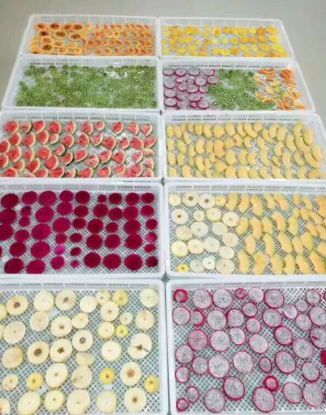
Step 5 – Drying Methods
Drying transforms fresh fruit into stable, long-lasting snacks. Multiple methods exist:
Sun Drying
Sun drying involves placing fruits under direct sunlight for several days or even weeks. It is a low-cost and natural method that relies entirely on weather conditions. While effective for fruits like apricots, raisins, and figs, it carries risks of contamination from dust, insects, or animals.
Air Drying / Hot Air Drying
Air drying, or hot air drying, uses controlled heat and airflow to remove moisture from fruits. This method is faster and safer than sun drying, producing consistent texture and moisture levels. Typical drying temperatures range from 125–140°F (50–60°C), making it suitable for a wide variety of fruits.
Freeze Drying
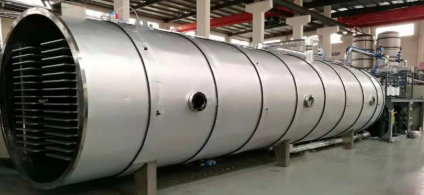
Freeze drying starts by freezing the fruit and then removing moisture under a vacuum. This process preserves most nutrients, color, flavor, and the original shape of the fruit. It is ideal for premium or high-value fruits. Unlike traditional drying methods, freeze drying uses minimal heat, which allows the fruit to rehydrate better and retain a crunchy texture.
Oven or Mechanical Drying
Oven or mechanical drying employs industrial ovens, dehydrators, or rotary dryers. It uses precise temperature and timing controls to efficiently dry large quantities of fruit. While it can be energy-intensive, it is reliable for achieving uniform results and is widely used in commercial dry fruit production.
Step 6 – Quality Control (QC)
QC ensures every batch meets standards:
Test moisture content, texture, flavor, and color.
Check for microbial contamination.
Maintain uniformity across batches.
| QC Parameter | Target Range / Criteria |
| Moisture Content | 2–5% |
| Texture | Crisp or chewy as per fruit type |
| Color & Appearance | Natural, no dark spots |
Step 7 – Grading and Packaging
Packaging preserves freshness and appearance:
Grade by size, quality, and visual appeal.
Packaging options: vacuum packs, foil bags, glass jars.
Airtight, light-proof packaging prevents spoilage and oxidation.
Step 8 – Storage
Proper storage extends shelf life:
Ideal temperature: 10–25°C (50–77°F)
Humidity: low, under 60% relative humidity.
Avoid moisture absorption to prevent mold.
Shelf life: typically 6–12 months, longer for vacuum-sealed or freeze-dried fruits.
| Storage Factor | Recommendation |
| Temperature | Cool and consistent |
| Humidity | Low, dry environment |
| Light Exposure | Avoid direct sunlight |
| Container | Airtight, opaque or foil-lined |
Equipment Needed for Manufacturing Dry Fruit
Producing high-quality dried fruits requires specific machinery to ensure safety, consistency, and efficiency. The right equipment can make the process faster and improve product quality.
| Equipment Type | Purpose / Benefit |
| Fruit Washers | Remove dirt, debris, pesticide residues |
| Sorting Machines | Ensure uniform size, color, and quality |
| Slicers & Dicers | Produce consistent slices for even drying |
| Hot Air Dryers | Fast, controlled drying of large batches |
| Freeze Dryers | Retain nutrients, flavor, texture, and natural shape |
| Sun Drying Racks | Low-cost, traditional drying for specific fruits |
| Packaging Machines | Airtight sealing, prolonged freshness |
| Optional: Vacuum Sealers | Extend shelf life, reduce oxidation |
| Optional: Conveyors | Streamline production flow, reduce manual labor |
Choosing the right combination of machinery depends on production scale, type of fruit, and desired final product quality. Using modern equipment ensures efficiency while keeping the natural taste and nutrients intact.
FAQ
Q: How does drying affect the nutritional value of fruits?
A: Proper drying retains most nutrients, including fiber, vitamins, minerals, natural sugars, and antioxidants, ensuring the final product remains healthy and energy-rich.
Q: What are the main steps in manufacturing dry fruits?
A: The main steps include selecting fruits, sorting and grading, washing and cleaning, preprocessing (peeling, slicing, or treating), drying, quality control, grading and packaging, and proper storage.
Q: What drying methods are used for dry fruits?
A: Common drying methods include sun drying, air drying or hot air drying, freeze drying, and oven or mechanical drying, each chosen based on cost, efficiency, and nutrient preservation.
Q: How is quality control maintained during dry fruit production?
A: Quality control involves testing moisture content, texture, color, and microbial safety to ensure consistency and safety across all batches.
Q: What equipment is needed to manufacture high-quality dry fruits?
A: Essential equipment includes fruit washers, sorting machines, slicers and dicers, hot air dryers, freeze dryers, sun drying racks, packaging machines, and optionally vacuum sealers and conveyors.
Conclusion
Dried fruits transform everyday fruits into long-lasting, flavorful snacks while keeping much of their natural nutrition intact. Using advanced food dryer machines, producers can ensure consistent texture, taste, and color, meeting both commercial and consumer demands. From careful fruit selection to precise drying and packaging, every step matters in delivering a high-quality product.
Shandong Huiyilai International Trade Co., Ltd. offers reliable food dryer machines and complete processing solutions. Their equipment helps manufacturers produce premium dried fruits efficiently, maintain nutrient retention, and expand their market reach globally.


