Retail packaging requires a difficult balance. Producers must extend shelf life and maintain product integrity. They also need to deliver premium visual appeal. Standard vacuum packaging often falls short. It ruins presentation and causes unwanted liquid purge. The Chamber Vacuum Skin Sealer solves these core issues. It utilizes Vacuum Skin Packaging (VSP) technology. The machine tightly drapes a specialized heated film over the product. It then seals this material perfectly to a rigid tray. This technique locks liquids in place and creates a premium invisible skin. This guide breaks down the exact mechanical operation of these machines. We compare them against traditional bagging alternatives. You will discover an evidence-based framework for evaluating the right equipment. This ensures you choose the ideal system for your specific production line.
Key Takeaways
- Mechanism: Chamber vacuum skin sealers operate by evacuating oxygen from a closed chamber, heating a top film, and forming a second "skin" around the product onto a base tray.
- Primary Advantage: Eliminates oxygen and locks in liquids (zero purge), significantly extending shelf life while allowing for vertical retail display without product shift.
- Decision Criterion: Upgrading to a skin sealer involves higher initial CapEx and specialized consumable costs, justifiable primarily for high-value retail items (meats, seafood, premium ready-meals).
- Implementation Reality: Success relies heavily on matching machine throughput capabilities, vacuum pump quality, and exact film-to-tray compatibility.
Defining the Chamber Vacuum Skin Sealer
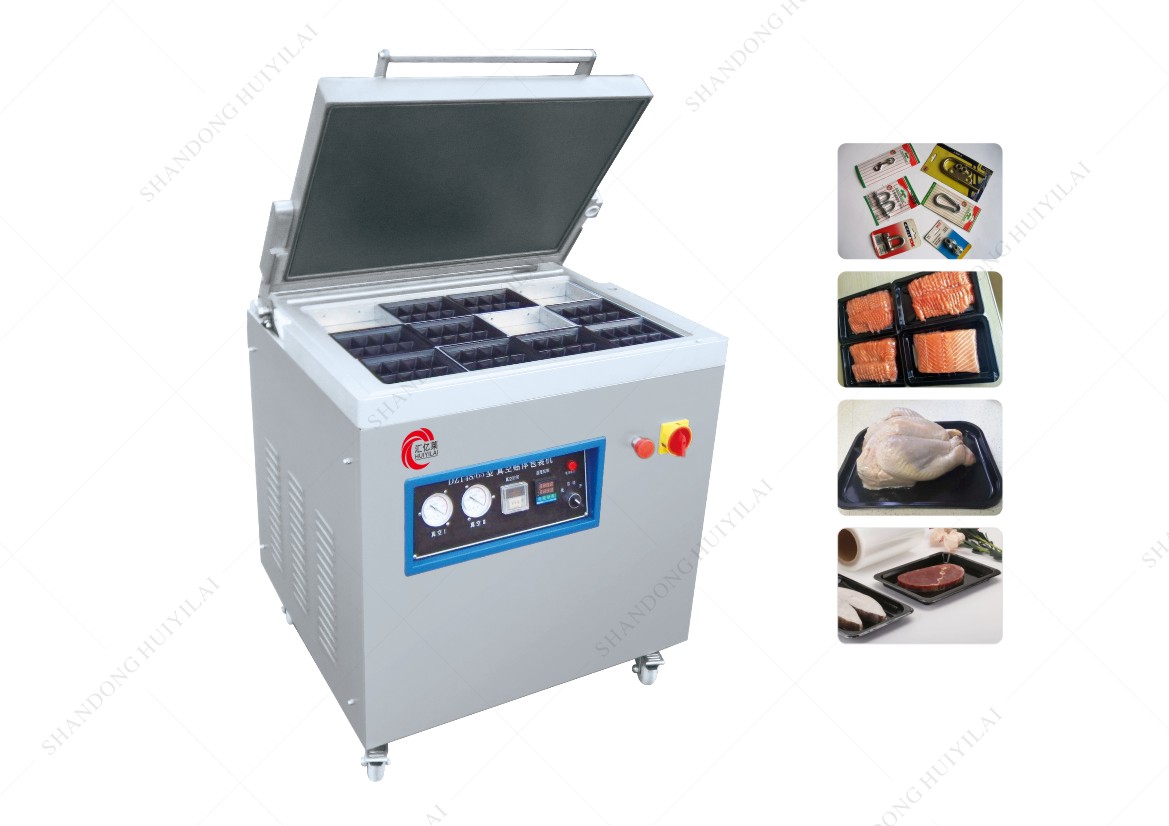
Industrial food packaging relies heavily on precise oxygen removal. A chamber vacuum skin sealer combines standard chamber extraction mechanics and advanced Vacuum Skin Packaging (VSP). Traditional sealers simply suck air out of a plastic pouch. Skin sealers operate differently. They use a rigid base and a highly flexible top web. The machine forms this top layer directly over the food item. It acts like a protective second skin.
Primary Components:
- The Chamber: This forms the hermetically sealed environment. The machine extracts oxygen entirely from this enclosed space. A robust lid drops down to isolate the interior from ambient air.
- The Heating Element: This dome or flat plate sits inside the upper lid. It softens the specialized skin film just before application. Proper heat distribution ensures the plastic stretches without tearing.
- The Tooling/Mold: This custom-fit base holds the specific tray or board. It keeps the base perfectly stationary during violent pressure changes. You must match the tooling precisely to your chosen container.
Target Applications:
This equipment serves industrial and commercial retail environments. Butchers use them for premium cuts of dry-aged meat. Seafood processors rely on them to display delicate fish fillets. Commercial kitchens use them for high-end ready-meals. These machines differ entirely from standard home suction units. They also offer distinct advantages over standard commercial bag sealers. You cannot achieve this level of retail presentation using basic residential equipment.
How a Chamber Vacuum Skin Sealer Works (Step-by-Step)
Understanding the mechanical sequence helps operators troubleshoot common errors. The packaging cycle relies on precise timing and atmospheric pressure manipulation.
- Step 1: Product Loading & Chamber Closure. Operators place the product onto a rigid bottom tray. They can also use a sturdy cardboard pad. They load this assembled unit into the lower tooling block. The operator closes the heavy lid. This action creates a completely airtight seal. The machine is now ready to begin the cycle.
- Step 2: Dual Vacuum Extraction. The heavy-duty vacuum pump activates. It removes ambient air from the entire chamber. Crucially, it pulls air from both above and below the top film simultaneously. This dual-action extraction equalizes the pressure. It prevents the delicate food product from being crushed. Standard machines often squash soft items during extraction.
- Step 3: Film Heating & Softening. The top web consists of highly flexible VSP film. The machine holds this plastic against a hot heating plate. The chamber remains under a deep vacuum during this phase. The film absorbs heat until it reaches optimal forming temperature. It becomes highly elastic and ready to stretch.
- Step 4: The "Skin" Application (Draping & Sealing). The machine releases the heated film. The plastic drops down instantly. It contours perfectly around the unique shape of the food item. Heat and pressure work together in this fraction of a second. They weld the top film completely to the empty spaces of the bottom tray. The seal forms everywhere the plastic touches the bare tray.
- Step 5: Aeration (Venting). The machine opens a valve to reintroduce outside air. This aeration floods the chamber rapidly. The sudden return of atmospheric pressure acts like a giant physical press. It pushes the softened film even tighter against the product. The lid opens. The completed package is ready for retail display.
Chamber Vacuum Skin Sealer vs. Standard Chamber Sealers
Comparing equipment types helps clarify your operational needs. Bag-based systems handle bulk tasks well. Tray-based skin systems excel in retail environments.
Standard Chamber Vacuum Sealers (Bag-Based)
These machines handle high-volume processing efficiently. They excel at back-of-house storage. You can use them for bulk liquid sealing and sous-vide preparation. They process lower-margin items quickly. However, they carry significant limitations. They produce poor retail presentation. The bags look wrinkled and unappealing on a shelf. They also allow potential liquid purge. Meat juices often pool inside the corners of the bag. Furthermore, floppy bags limit your ability to display items vertically.
Chamber Vacuum Skin Sealers (Tray/Board-Based)
These advanced machines target high-end retail displays. They handle premium meats and luxury seafood perfectly. They extend shelf-life significantly. They also maintain vibrant product color and firm texture. The advantages remain clear. The packaging provides an invisible film look. Customers see the food rather than the plastic. It locks in liquids completely. Juices cannot migrate around the package. It offers superior protection against freezer burn. Finally, rigid trays allow for impressive 3D and vertical merchandising. You can hang products on retail pegs safely.
Cost & Consumable Comparison
Upgrading to skin packaging changes your consumable strategy. Skin sealers require specific rigid trays. They also demand complex multi-layer VSP films. These specialized materials carry a higher unit cost than standard vacuum pouches. You must evaluate this upfront reality. The superior presentation and extended shelf life usually offset these consumable costs. Retailers gladly stock items looking this premium.
| Feature | Standard Chamber Sealer | Chamber Vacuum Skin Sealer |
| Packaging Format | Flexible plastic pouches | Rigid trays or boards |
| Retail Appearance | Wrinkled, often distorted | Invisible "second skin", 3D contour |
| Liquid Retention | Juices pool in bag corners | Zero purge; liquids locked in place |
| Display Options | Stacked horizontally | Vertical hanging or angled display |
| Consumable Style | Commodity vacuum bags | Specialized VSP film and rigid base |
Key Evaluation Criteria for Decision Makers
When sourcing new packaging machinery, you must look beyond basic dimensions. Chamber Vacuum Skin Sealers require careful capability matching. You must align the hardware perfectly against your daily operational demands.
Production Volume and Throughput
Assess the machine cycle times carefully. A typical cycle takes between 20 and 40 seconds. You must calculate the number of trays processed per cycle. This depends entirely on the chamber size and your tray dimensions. Evaluate your floor space. Tabletop models fit easily into small butcher shops. They handle moderate daily output requirements. Freestanding floor models serve high-volume industrial facilities. They can cycle continuously through long production shifts.
Vacuum Pump Quality
The pump acts as the heart of the entire machine. Highlight the absolute necessity of an industrial-grade rotary vane pump. Brands like Busch represent the industry standard for reliability. Underpowered pumps fail to remove enough oxygen. This leads to incomplete seals and drastically reduced shelf life. A premium pump pulls a deep vacuum rapidly. It easily handles the continuous stress of commercial food packaging.
Tooling Flexibility and Changeovers
Your product line likely uses multiple tray sizes. Assess how easily the machine reconfigures for different dimensions. Complex tooling changeovers cause severe operational downtime. Modern machines offer quick-release mold systems. Operators can swap these base plates in minutes. Rigid, bolted molds slow down production. They frustrate staff during busy shifts.
Film and Material Compatibility
Skin films vary wildly in their chemical makeup. Ensure the sealer handles the exact thickness you require. It must manage the specific composition of your chosen VSP films. Fresh meat requires high-barrier films to prevent oxygen ingress. Specific fresh produce items require highly permeable films. The machine's heating plate must achieve the precise temperature to activate these different materials safely.
Implementation Risks and Operational Realities
Integrating this technology into your facility requires careful planning. You must anticipate operational hurdles. Equipment success goes beyond simply plugging the machine into a wall.
Consumable Supply Chain Constraints:
Skin sealing requires a steady, reliable supply of matching materials. You need bottom trays and top films designed specifically for each other. Mismatched materials result in immediate seal failures. You cannot mix and match random plastics. Secure your material supply chain before installing the hardware.
Maintenance Overhead:
High-performance machinery demands strict maintenance. Rotary vane pumps require rigorous schedules. Operators must perform regular oil changes. They must replace exhaust filters routinely. Neglecting these tasks voids manufacturer warranties. It also causes premature pump failure. Dirty oil reduces vacuum strength and ruins packaging quality.
Product Height Limitations:
Every machine has strict physical boundaries. Chamber depth dictates exactly how tall a product can be. Products exceeding the specified tooling height create massive problems. The food will touch the heating plate prematurely. This burns the product and ruins the entire cycle. Always measure your thickest cuts of meat before purchasing a machine.
Staff Training Requirements:
Standard vacuum machines operate via simple mechanics. Skin sealers demand higher operator skill. Staff must undergo proper training. They need to understand temperature calibration. They must know how to make precise vacuum time adjustments. Crucially, operators must learn how to recognize inadequate seals before products ship out.
Conclusion
Chamber vacuum skin sealers offer a highly effective solution for food businesses. Product presentation directly impacts consumer purchasing decisions. Maximum shelf life reduces costly food waste. These machines solve both issues simultaneously. They deliver pristine, liquid-locked packages ready for premium retail shelves.
Take a methodical approach before committing to a purchase. Follow these critical next-step actions:
- Calculate your exact necessary daily throughput.
- Verify your absolute maximum product dimensions.
- Request physical sample seals from equipment manufacturers using your actual food products.
- Confirm local availability for required VSP films and compatible rigid trays.
FAQ
Q: Can a chamber vacuum skin sealer process liquids?
A: Yes, but indirectly. Because the product is placed in a rigid tray and the chamber is evacuated evenly, liquids (like marinades or meat juices) stay exactly in place without being sucked into the pump, unlike suction sealers.
Q: Can I use standard vacuum bags in a skin packaging machine?
A: No. Skin sealers require specialized VSP (Vacuum Skin Packaging) top films and rigid bottom trays/boards to create the structural skin effect.
Q: Does vacuum skin packaging change the color of fresh meat?
A: The total removal of oxygen will temporarily darken red meat (turning it slightly purple). It returns to a bright red "bloom" once the package is opened and exposed to oxygen again.
Q: What is the average lifespan of an industrial skin sealer?
A: With strict adherence to oil changes and routine maintenance, commercial units routinely last 10–15+ years. The vacuum pump is usually the limiting factor.


