Frying onion rings presents a demanding culinary challenge in professional kitchens everywhere. Whether you drop fresh-battered or frozen rings, the process introduces high moisture and heavy batter sediment. This intense combination rapidly degrades your frying oil. Choosing the wrong equipment often leads to burnt sediment, inconsistent crispiness, and inflated oil replacement expenses. Slow service times also frustrate customers and staff alike. We created this comprehensive guide to provide an objective, criteria-driven framework for evaluating your equipment options. You will learn how to assess commercial fryers based on volume, physical footprint, and daily workflow. We will also explore exactly when it makes sense to upgrade to a dedicated onion frying machine. By understanding proper sediment management, thermal recovery, and filtration, you can protect your food quality. You will keep your rings crispy and optimize your overall operational efficiency.
Key Takeaways
- Sediment Management is Critical: Wet batters require flat-bottom or open-pot designs; tube fryers trap onion ring batter and accelerate oil degradation.
- Recovery Time Dictates Quality: High-BTU gas or efficient electric heating elements are non-negotiable to prevent soggy rings when dropping frozen products.
- Scale Determines the Tech: Standard high-capacity floor fryers suit most restaurants, while central kitchens and high-volume chains require continuous onion frying machines.
- Filtration Drives ROI: Built-in oil filtration systems offset their higher upfront cost through extended oil lifespan and reduced labor.
The Operational Impact of Frying Onions: Why Standard Equipment Fails
Many kitchens struggle because standard fryers cannot handle high-moisture vegetables safely. Fresh wet batter frequently sheds during the initial drop into hot oil. This loose breading falls directly into the frying medium. It eventually sinks toward the bottom of the vat. If the equipment lacks a properly designed cold zone, this debris continuously burns. The carbonized particles float back up. They stick to new batches of food, creating bitter flavors. Standard fryers lack the geometry to isolate this heavy debris effectively.
Frozen rings introduce a completely different operational hurdle. Dropping large batches of frozen products causes severe thermal shock. The oil temperature drops instantly upon contact. If the equipment cannot recover its target temperature quickly, the rings absorb excess oil. They become greasy, heavy, and unappetizing. Rapid recovery times prevent this common failure. You need robust heating elements to push the temperature back up immediately. Without strong thermal recovery, ticket times drag during busy shifts.
Oil degradation accelerates significantly when you combine these variables. Onion rings naturally release significant moisture while cooking. This water interacts directly with carbonized breading particles. Together, they create free fatty acids through hydrolysis. These acids ruin oil quality prematurely. They lower the smoke point drastically. They also transfer unwanted, fishy, or burnt flavors to other menu items. Standard equipment simply cannot filter out these contaminants fast enough. An advanced onion frying machine addresses these specific chemical challenges through superior design.
Batch vs. Continuous Onion Frying Machines: Sizing to Your Throughput
Scale dictates your equipment choices entirely. Independent restaurants rely heavily on batch frying methods. High-volume operations need specialized, continuous solutions. You must match your technology to your anticipated customer traffic.
Standard Floor Fryers (Batch Frying)
Batch frying works best for diners, pubs, and standard quick-service workflows. It allows operators to fry small, controlled orders perfectly. Staff can monitor the color and texture visually. Success criteria depend entirely on peak hour demand. A 40-50 lb oil capacity suits medium volumes perfectly. High-traffic kitchens usually require 70-100 lb capacities. This extra volume prevents severe temperature drops during repeated frying cycles. Larger vats provide a better thermal mass. They stabilize the environment when you drop frozen products consecutively.
Continuous Onion Frying Machines
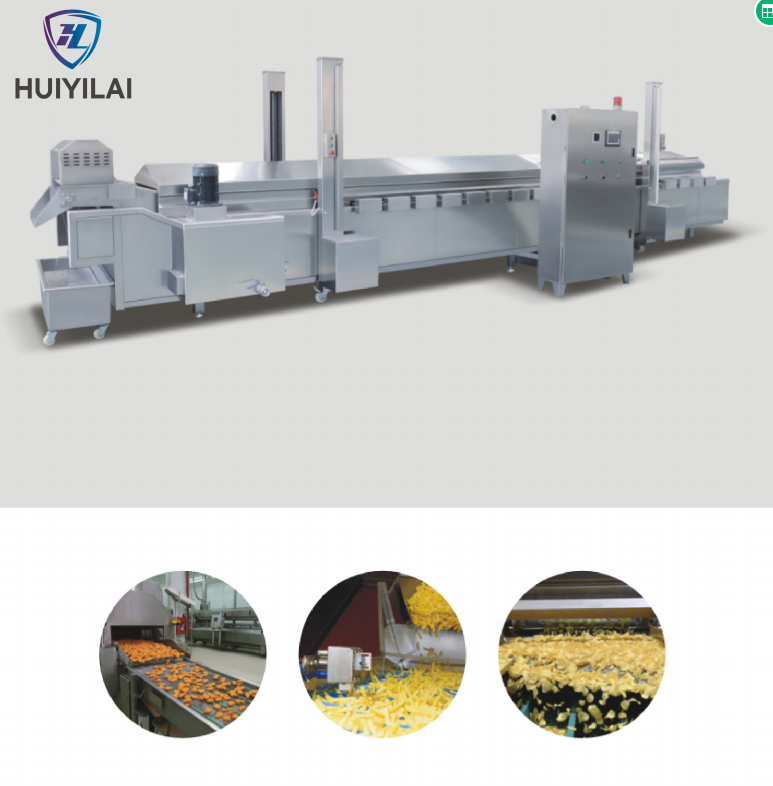
Industrial food production demands entirely different technology. Central kitchens and massive-scale operations use continuous systems. Manual batching cannot meet their quota requirements safely. These automated machines offer precise conveyor belt speed control. They feature automated oil circulation systems. Many models also include automated sediment scraping mechanisms. This automation ensures consistent quality across massive production runs. It reduces the physical strain on your workforce. A specialized onion frying machine manages high-capacity output without constant human intervention.
Capacity Calculation Logic
You must calculate your pounds-per-hour output carefully. This mathematical framework prevents equipment bottlenecks during rushes. Compare your target hourly output against the oil volume. A standard rule requires 1.5 to 2 times the oil volume for every pound of hourly output. If you fry 50 pounds of rings per hour, you need an 80-100 pound oil reservoir. This ratio maintains heat transfer effectively.
| Equipment Type | Ideal Application | Key Success Criteria | Throughput Level |
| Standard Floor Fryer | Diners, quick-service spots | 40-100 lb oil capacity, rapid recovery | Low to Medium |
| Continuous System | Central kitchens, industrial plants | Automated scraping, speed control | Extremely High |
Evaluating Fryer Pot Designs for Onion Rings
Choosing the correct pot design prevents daily maintenance nightmares. Each style offers unique advantages and distinct limitations. Your menu dictates the correct choice.
Flat-Bottom Fryers
Many culinary experts consider flat-bottom models the optimal choice. They excel specifically when cooking wet-battered onion rings. The wet batter floats freely in the oil without obstruction. Loose pieces settle safely at the wide bottom. The sediment does not bake onto submerged heating tubes. Staff can clean the flat surface easily at night. However, flat-bottom designs have some operational drawbacks. They typically suffer from slightly slower recovery times compared to tube models. You must factor this thermal lag into your ticket times during rush hours.
Open-Pot Fryers
Open-pot designs provide an excellent, deep cold zone. This specialized area collects sediment effectively away from the heat source. Staff can easily access the open pot for skimming. Daily cleaning remains straightforward because there are no obstacles inside the vat. They do have distinct limitations. Open-pot units suit lightly breaded or frozen rings best. Heavy, wet batters might clump too quickly in these models. The batter can sometimes block the narrow cold zone prematurely.
Tube Fryers (The Risk Factor)
You must understand the implementation risks of tube fryers. They perform excellently for heavy-duty frying like bone-in chicken. They deliver massive heat transfer. However, they pose severe challenges for wet onion rings. Thick batter frequently wraps around the internal heating tubes. It bakes onto the hot metal instantly. This hardened residue is notoriously difficult to clean. Staff often damage the tubes while scraping them. Avoid tube fryers for wet-battered onions whenever possible.
Key Evaluation Criteria for a Commercial Onion Frying Machine
Before finalizing any purchase, evaluate several crucial technical criteria. These factors directly influence daily kitchen efficiency. They also determine your long-term operational success.
- Built-in Oil Filtration Systems: Manual filtering introduces severe labor and safety costs. Staff risk terrible burns when handling hot oil manually. Carrying heavy buckets across slippery kitchen floors creates serious liability. Integrated filtration delivers immediate operational returns. You simply push a button to cycle the oil through internal filters. It extends oil lifespan significantly. This feature remains absolutely essential for high-sediment items like onions.
- Heating Method (Gas vs. Electric): Your existing utility setup heavily dictates this choice. Ensure you understand the limits of your kitchen infrastructure.
- Gas: Gas units offer faster temperature recovery. They generate higher BTUs rapidly. This makes them ideal for dropping high volumes of frozen rings. The flame pushes heat back into the oil instantly.
- Electric: Electric models deliver higher energy efficiency. The heating elements sit directly in the oil. They generate much less ambient heat in the kitchen environment. Initial heat transfer happens faster. However, they often require expensive electrical voltage upgrades before installation.
- Compliance and Safety Standards: Never ignore regulatory requirements when buying commercial equipment. Verify strict ANSI and NSF certifications. These labels guarantee sanitation and build quality. If using continuous fryers, insist on OSHA-compliant automated lift systems. These lifts raise the heavy conveyor belts safely for cleaning. You must also ensure complete compatibility with Type 1 hood ventilation requirements.
| Feature | Gas Heating | Electric Heating |
| Temperature Recovery | Exceptionally fast; handles thermal shock well. | Steady, but slightly slower in batch drops. |
| Ambient Heat | Heats up the kitchen significantly. | Keeps the kitchen environment cooler. |
| Installation Requirements | Requires commercial gas lines and heavy venting. | Requires high-voltage electrical upgrades. |
Implementation Risks and Operational Challenges
Buyers often focus solely on the initial equipment price. This common oversight leads to severe budget overruns later. You must calculate the hidden operational costs accurately to protect your profit margins. Factor in your monthly oil replacement expenses. Onion rings degrade oil much faster than standard french fries. Track your estimated energy consumption closely. You must also budget for rigorous preventive maintenance schedules. Neglecting maintenance shortens the lifespan of your equipment drastically. A proper boil-out protocol requires dedicated labor hours.
Staff training impacts long-term success heavily. High turnover in kitchens makes simple controls highly valuable. Evaluate digital controls versus manual knobs carefully. Programmable presets reduce human error significantly. They standardize cook times accurately regardless of who operates the station. Digital interfaces also simplify oil temperature management. This technology ensures consistent crispiness across every single shift. It removes the guesswork from the frying station.
Follow strict steps when shortlisting equipment. Do not rush the procurement phase.
- Request Vendor Demonstrations: Always ask them to fry your exact product using their machine. Assess the crispiness and oil retention yourself.
- Verify Warranty Terms: Check the coverage specifically for high-sediment usage. Some basic warranties exclude damage resulting from carbonized batter build-up.
- Review Technical Spec Sheets: Demand detailed performance data. Review the thermal recovery rates carefully before signing any purchase order.
- Assess Parts Availability: Ensure the manufacturer stocks replacement filters, heating elements, and conveyor parts locally.
Conclusion
Finding the right equipment remains a highly contextual decision. Your ideal choice depends heavily on your specific menu ingredients. Kitchens using fresh wet batter require completely different solutions than those dropping frozen rings. Your total hourly production volume further dictates the necessary scale of your investment. Balancing these elements guarantees better food quality.
We highly recommend flat-bottom models paired with built-in filtration for standard restaurant environments. This combination handles sediment beautifully. If you manage industrial volumes, invest in specialized conveyor models. A continuous onion frying machine maximizes output efficiently while reducing labor costs.
Take decisive action before requesting vendor quotes. Audit your current oil expenses closely. Track your peak-hour ticket times to identify where bottlenecks occur. Gather feedback from your fry cooks regarding cleaning difficulties. This comprehensive data ensures you select equipment that truly supports your unique workflow.
FAQ
Q: Can I fry onion rings and french fries in the same machine?
A: We strongly advise against it. Onion rings shed heavy batter and release significant moisture, which degrades oil rapidly. Onions also transfer strong flavors to the oil. If you fry potatoes in the same vat, they will taste like onions. We recommend dedicating separate vats for each item if your volume permits.
Q: Why do my onion rings get soggy in a commercial fryer?
A: Soggy rings usually result from overloaded baskets and poor temperature recovery. Dropping too many frozen rings simultaneously causes thermal shock. The oil temperature drops rapidly. If the fryer lacks sufficient power to recover the heat instantly, the rings absorb excess oil instead of crisping.
Q: How often should I filter the oil when frying battered onions?
A: Onion batter generates excessive sediment, requiring strict maintenance. You should skim the surface debris continuously during service. We recommend filtering the oil fully at least once or twice daily. High-volume kitchens often require mid-shift filtration to maintain food quality and prevent premature oil breakdown.
Q: What is the difference between a standard fryer and a continuous onion frying machine?
A: A standard fryer requires manual batch-dropping using wire baskets. Staff must monitor the cook time and lift the baskets manually. A continuous machine uses an automated conveyor belt. You feed raw product into one end, and it emerges perfectly fried at the other, ensuring massive, consistent industrial throughput.


