Transitioning from manual or semi-automatic frying to industrial-scale production requires robust equipment. You need machinery ensuring absolute consistency. Product quality must never degrade during this shift. For commercial food producers, uneven frying causes major headaches. Rapid oil degradation drains operational budgets quickly. High labor costs also create serious bottlenecks. These factors hinder scaling fried onion ring production significantly.
Understanding exactly how an onion frying machine works is essential. You must examine its heat transfer mechanisms. You should explore its continuous filtration capabilities. This knowledge represents the first step in your equipment evaluation. It helps you align machinery specifications to your facility throughput requirements. You can better meet stringent compliance standards. It also ensures you hit your expected profitability targets.
Key Takeaways
- Commercial onion frying machines utilize either batch or continuous configurations, dictating total throughput and labor requirements.
- Advanced temperature control and oil-water separation technology drastically reduce oil degradation, saving significant operational costs.
- Modern machines integrate automatic discharge and submersion conveyors to ensure consistent coloring and moisture removal.
- Evaluating a machine requires assessing heat recovery times, footprint, and food-grade material compliance (e.g., 304 stainless steel).
The Core Mechanics: How an Onion Frying Machine Works
Commercial onion frying involves a complex thermodynamic process. When raw onions enter hot oil, surface moisture evaporates instantly. This rapid evaporation creates a protective steam layer around the product. The steam temporarily prevents excessive lipid absorption. As internal moisture depletes, the onion begins absorbing hot oil. This lipid absorption transforms the cellular structure. It delivers the signature crispy texture. An industrial machine manages this phase perfectly. It supplies consistent thermal energy to sustain the evaporation rate. Proper heat management prevents the onions from turning soggy. It guarantees a uniform golden finish across every batch.
Heating Systems and Temperature Recovery
Modern frying systems utilize sophisticated heating architectures. You must choose between electric and gas heating configurations. Electric heating elements offer incredibly precise temperature control. They apply heat evenly across the frying zone. This prevents localized oil burning. Electric systems suit facilities lacking robust ventilation infrastructure.
Gas heating provides different advantages. Gas burners deliver rapid heat recovery times. They excel in extremely high-volume continuous processing lines. When you drop massive quantities of raw onions into oil, the temperature plummets. Gas systems reignite quickly to restore the baseline heat. Advanced sensors monitor the frying zone continuously. They maintain the optimal temperature range between 150°C and 170°C. These sensors prevent sudden temperature drops. Consistent heat guarantees uniform product expansion.
Product Submersion and Conveyance
Onions possess low density. They naturally float when submerged in hot oil. Floating products cook unevenly. The submerged side browns quickly. The exposed side remains pale and undercooked. Engineers solve this issue using dual-belt conveyor systems.
A lower mesh belt carries the product forward. An upper mesh belt rests gently on top of the floating onions. This upper belt keeps the product entirely submerged. It ensures uniform heat distribution from all angles. Operators can adjust the gap between these belts. You can customize the space based on the onion ring thickness. Variable speed drives control the belt velocity. This determines the exact dwell time the onions spend in the oil.
Automatic Discharge Mechanisms
Extracting hot products manually introduces dangerous human error. Operators often misjudge the extraction timing. A delay of ten seconds can ruin a batch. It turns golden onions into bitter, burnt waste. Automated mechanisms eliminate this risk completely.
Batch fryers use automated lifting and tilting components. A hydraulic system raises the inner frying basket. It tilts the basket at a precise angle. The cooked onions slide smoothly onto a cooling conveyor. This system guarantees exact frying durations. It removes human reaction time from the equation. The automatic lift also allows excess oil to drain back into the vat. This simple mechanical action saves substantial oil volumes daily.
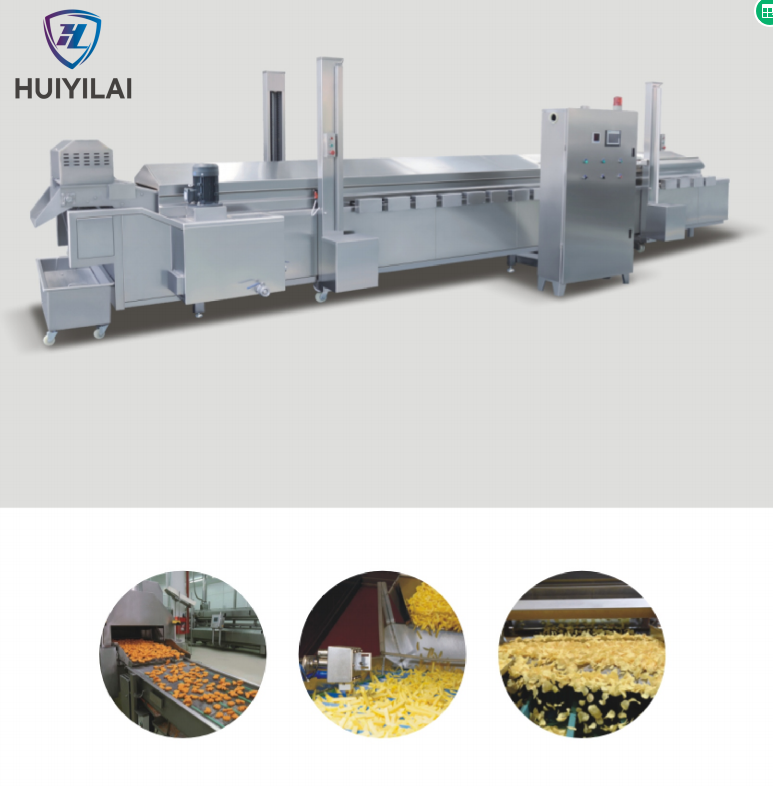
Batch vs. Continuous: Choosing the Right Architecture
You must align your machine type carefully. It must match your specific production scale. It also needs to handle your product variation requirements. Facility managers often struggle choosing between batch and continuous systems. A clear understanding of your hourly output targets simplifies this choice.
Automatic Batch Frying Machines
Automatic batch fryers operate using a single, deep vat. They represent the best choice for small to medium facilities. They also suit multi-product processing lines perfectly. Artisanal producers prefer batch fryers for their flexibility. You can fry onions in the morning. You can easily switch to potato chips in the afternoon.
The mechanics rely on an automated stirring mechanism. These stirrers move the onions gently through the oil. They prevent the rings from sticking together. A digital timer dictates the exact frying duration. Once the timer expires, the automatic discharge activates immediately. Batch fryers require smaller footprints. They offer easier cleaning procedures between different product runs.
Continuous Belt Frying Machines
Continuous belt fryers handle massive production demands. They are best for high-volume, single-product processing lines. Massive food factories rely heavily on continuous architectures. They require less direct operator intervention per kilogram processed.
The mechanics utilize a long, heated frying channel. Raw onions enter one end continuously. They travel along a variable-speed mesh belt. The belt speed dictates the exact dwell time in the hot oil. By the time they reach the exit, they are perfectly fried. This architecture provides unmatched output consistency. It eliminates the stop-and-start downtime inherent to batch processing.
Batch vs. Continuous Frying Systems Comparison | System Characteristic | Automatic Batch Frying Machine | Continuous Belt Frying Machine |
| Best Suited For | Multi-product lines, artisanal batches, medium volume. | High-volume, single-product continuous lines. |
| Footprint Requirements | Compact, easier to integrate into tight spaces. | Large, requires significant linear floor space. |
| Labor Needs | Requires more frequent operator interaction for loading. | Minimal interaction once automated feed is set. |
| Production Flow | Stop-and-start cyclic processing. | Uninterrupted continuous flow. |
| Flexibility | High. Easy to change oils and product types. | Low. Designed for long runs of the same product. |
Oil Management and Quality Control Systems
Cooking oil represents a massive recurring operational cost. Inferior frying equipment burns oil rapidly. Degraded oil imparts bitter flavors. It darkens the product unacceptably. Advanced oil management systems solve these expensive issues. They protect your oil investment aggressively.
Oil-Water Mixing Technology
The oil-water mixing system sounds counterintuitive initially. However, it relies on simple physical properties. Water is denser than oil. The system fills the lower half of the vat with water. The upper half contains the heated cooking oil. The two liquids separate naturally. They never emulsify during normal operation.
During the frying process, batter crumbs break off. Food debris falls downward. Gravity pulls this debris through the hot oil. It passes the oil-water interface safely. The debris settles into the cool water below. This prevents the debris from carbonizing in the hot oil. Carbonized particles spoil oil quickly. The water zone features a cooling pipe. This prevents the water from boiling. You can drain the dirty water periodically. You flush out the debris without wasting a single drop of clean oil.
Continuous Filtration and Circulation
High-capacity lines require continuous oil filtration. An inline mesh filter system works relentlessly. A heavy-duty circulation pump draws oil from the vat. It pushes the hot oil through fine mesh screens. These screens trap microscopic suspended particles. They catch the tiny fragments slipping past standard gravity separation.
Removing these suspended particles extends oil life dramatically. It maintains optimal Free Fatty Acid (FFA) levels. It also preserves the bright, golden color of your fried onions. The pump then returns the filtered oil to the heating zone. This circulation also improves overall temperature consistency. It eliminates cold spots within the frying vat. Your product cooks faster. The oil lasts longer. Operational margins improve significantly.
Integrating the Machine into a Complete Processing Line
An onion frying machine never operates in a vacuum. Its ultimate efficiency depends heavily on surrounding equipment. Upstream preparation impacts frying performance. Downstream handling determines final shelf stability. You must view the fryer as the heart of a broader system.
Pre-Frying Preparation
Raw onions require extensive preparation before hitting the hot oil. Inconsistent preparation ruins even the best frying parameters. Automated preparation stations guarantee uniform input variables.
- Automated Peeling: Industrial peelers remove the tough outer skins quickly. They use compressed air or abrasive rollers. They minimize useful flesh waste.
- Root-Cutting: Precision blades remove the dense root and stem bases. This prevents hard, inedible pieces from entering the processing line.
- Slicing: High-speed rotary slicers create perfectly uniform rings. Consistent thickness ensures every ring cooks at the exact same rate.
- Battering and Breading: Many products require a crispy coating. Enrobing machines apply liquid batter evenly. Breading stations cascade dry crumbs over the wet rings. Air blowers remove excess breading to keep the fryer oil clean.
Post-Frying Optimization
The moment onions leave the fryer, critical processing steps begin. You must stop the cooking process quickly. You must also remove excess surface lipids.
- Centrifugal De-oiling Machines: Hot onions carry excess oil on their surface. A centrifuge spins the product at high speeds. The centrifugal force throws the excess oil outward. This step improves product crunchiness. It reduces greasy textures significantly.
- Air-Cooling Lines: You cannot package hot products. Hot onions generate condensation inside sealed bags. Condensation turns crispy rings into soggy mush. Ambient or chilled air blows across a mesh cooling conveyor. This reduces the product core temperature rapidly.
- Flavoring Stations: Cooled onions pass into a rotating seasoning drum. The drum tosses the rings gently. Powdered flavorings coat the surface evenly.
- Packaging: Multi-head weighers portion the finished product accurately. Vertical form-fill-seal machines bag the onions securely. Nitrogen flushing extends shelf life.
Key Evaluation Criteria for Decision Makers
Selecting the right equipment requires strict business logic. You need a verifiable framework to shortlist vendors. Do not rely solely on basic marketing claims. Demand precise engineering specifications. Ask targeted questions about facility integration.
Throughput Capacity vs. Facility Footprint
You must calculate precise kilogram-per-hour output targets. Match these targets against available floor space. Continuous fryers demand long, straight factory layouts. Batch fryers fit into compact, square processing rooms.
You must also audit your utility infrastructure. Check your available electrical amperage. Verify your gas line pressure. An oversized electric fryer might overload your main breaker. Upgrading factory electrical panels incurs massive delays. Understand these utility limits before signing purchase orders.
Material Compliance and Sanitary Design
Food safety compliance is non-negotiable. Ensure your specification sheet demands full SUS304 stainless steel construction. High-acidity environments might even require SUS316. These grades resist corrosion from aggressive cleaning chemicals.
Look for IP65-rated control panels. These waterproof panels withstand intense daily washdowns. Factory operators use high-pressure hoses constantly. Unsealed electronics fail quickly in damp environments. Evaluate the machine for CIP (Clean-in-Place) compatibility. CIP systems use internal spray balls. They circulate hot caustic solutions through the pipework automatically. This reduces manual scrubbing labor. It guarantees compliance with strict FDA and CE sanitation standards.
Conclusion
Investing in commercial frying equipment transforms your production capabilities. You must balance heating efficiency carefully. You should prioritize automated handling systems. You need aggressive oil management protocols. Mastering these elements guarantees a highly profitable, scalable product line.
Audit your current production bottlenecks immediately. Calculate your ideal hourly yield targets accurately. Request detailed specification sheets from verified equipment manufacturers. Ask them for expected lifecycle performance estimates. By integrating pre-frying and post-frying modules intelligently, you secure a dominant position in the processed food market.
FAQ
Q: How many minutes does it take to fry onions in a commercial machine?
A: Frying times depend heavily on oil temperature, slice thickness, and raw moisture content. The duration typically ranges from 2 to 5 minutes at 160°C. Continuous machines allow operators to make precise dwell-time adjustments using variable speed controls.
Q: What is the advantage of electric heating over gas in onion frying?
A: Electric heating often provides highly precise temperature control. It eliminates localized hotspots easily. Electric units require less complex ventilation infrastructure. However, gas systems offer faster heat recovery. They excel in extremely high-volume continuous lines handling heavy product loads.
Q: How does automatic discharge improve product quality?
A: Automatic discharge guarantees absolute uniformity across all batches. It removes human reaction time completely. This automation ensures every batch extracts at the exact second the timer finishes. It prevents accidental overcooking and standardizes both final color and texture.


