
Views: 0 Author: Site Editor Publish Time: 2025-12-22 Origin: Site


Dried mangoes are a favorite snack around the world, prized for their sweet, chewy texture and concentrated flavor. Unlike fresh mangoes, they have a longer shelf life and are convenient for snacking, cooking, or baking. Making high-quality dried mangoes involves more than just removing water—it requires careful selection, cleaning, peeling, slicing, pre-treatment, drying, cooling, and packaging. Understanding each step helps both producers and enthusiasts create mango slices that retain natural sweetness, vibrant color, and nutrients while remaining safe and flavorful. In this guide, we explore the complete industrial production process of dried mangoes, from farm to package, highlighting key tips, common challenges, and differences between home and factory production.
Dried mangoes are fresh mangoes stripped of most moisture. They taste sweeter than fresh fruit. They are easy to store and travel-friendly. Compared to fresh mangoes, they offer concentrated flavor and sugar, but retain many nutrients. People use them for snacking, cooking, or baking.
Choosing the right mango affects color, sweetness, and texture. Commonly used varieties:
Luzon mango – firm and juicy.
Hainan native mango – aromatic, good for drying.
Alphonso – sweet, premium flavor.
Ataulfo – small, buttery texture.
Underripe mangoes often work best. They hold shape better during drying and don’t become mushy.
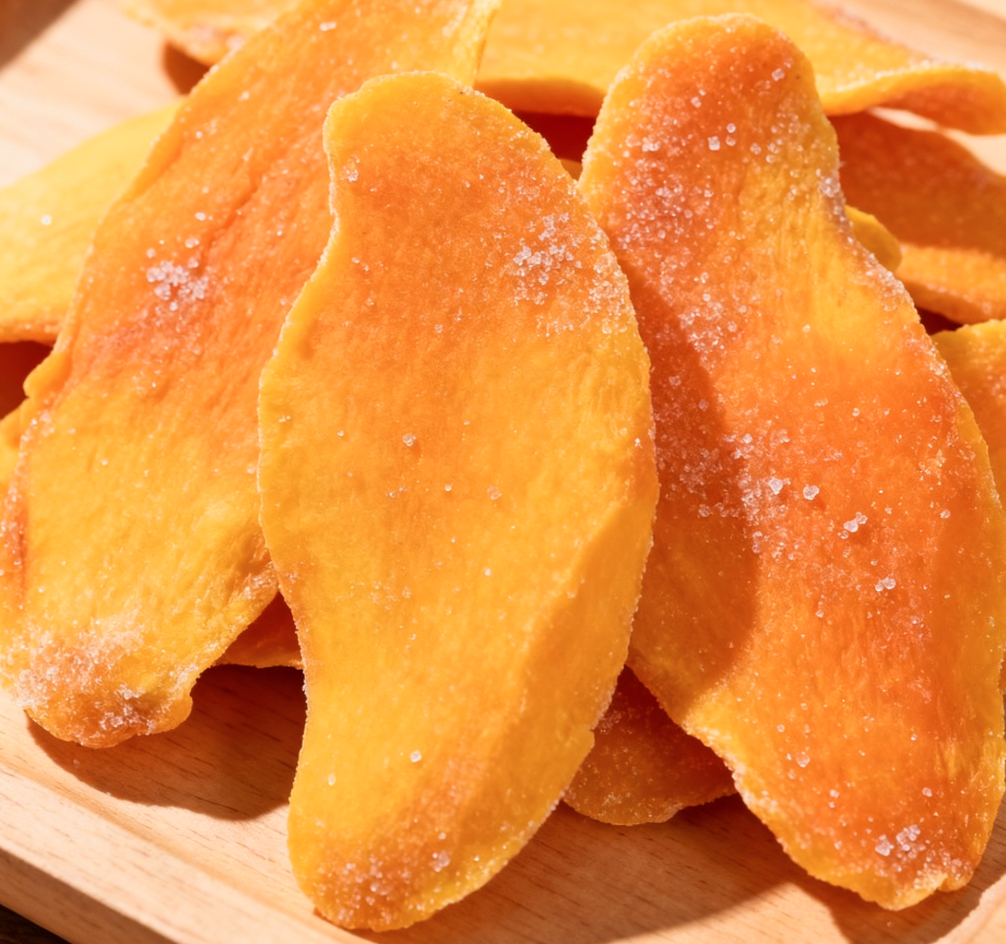
Only high-quality mangoes are used in production. Before drying, workers or automated machines carefully inspect each fruit. They look for:
Damage or bruising: Any soft spots or cracks can affect flavor and shelf life.
Rotten or overripe mangoes: These can spoil other mangoes during processing.
Size uniformity: Consistent size helps slices dry evenly and maintain texture.
In industrial production, screening is crucial. Using inferior mangoes may lead to uneven drying, off-flavors, or browning. By selecting the best fruit, factories ensure the final dried mangoes taste sweet, look appealing, and have a consistent texture.
After selection, mangoes go through a thorough washing process. The goal is to remove:
Dirt and dust
Pesticide residues
Any surface impurities
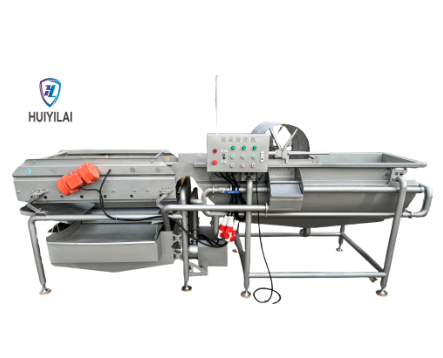
In factories, mangoes are usually placed in flowing water tanks or automated food washing machines. Some setups even use gentle brushes or water jets to clean the fruit without causing damage. Using a food washing machine not only ensures hygiene but also improves drying efficiency. Clean mangoes dry more evenly because leftover debris or residues can trap moisture, affecting texture. Proper washing also allows the natural mango flavor to shine through, giving the final dried product a fresh and appealing taste.
Next, mangoes are peeled either manually or using automated machines. Removing the skin is essential because it contains tannins, which can cause browning during drying.
After peeling, mangoes are sliced evenly. Typical slice thickness is 8–10 mm, which allows moisture to evaporate consistently and gives the final dried mango a chewy but not tough texture.
The leftover cores or pulp are rarely wasted. They are often processed into juice, puree, or other mango products, increasing overall yield and reducing waste.
Tip: Uniform slices are key. Uneven slices dry at different rates—thinner pieces may become too hard, while thicker ones stay soft and risk mold.
Before drying, mango slices often undergo pre-treatment to maintain color, flavor, and texture. Two common methods are:
Blanching: Slices are dipped in hot water for 20–30 seconds, then immediately plunged into ice water. This stops enzymatic reactions that can cause discoloration and preserves natural sweetness.
Soaking in natural solutions: Ingredients like sugar, citric acid, or a small amount of salt are added. Soaking enhances flavor, prevents browning, and slightly extends shelf life.
Drying removes water from mango slices to prevent spoilage and concentrate flavor. Industrial producers often use food dryer machines to ensure consistent results. Common drying methods include:
| Method | Description | Pros | Cons |
|---|---|---|---|
| Hot air drying | Heated air removes moisture | Simple, widely used | Some nutrient loss |
| Heat pump drying | Controlled temperature and humidity | Retains color and texture | Slower than hot air |
| Freeze drying | Freeze first, then vacuum drying | Preserves flavor & nutrients | Expensive |
Industrial tip: Use food dryer machines to spread slices in a single layer. Avoid overlapping to ensure even drying. Temperature often ranges 55–62°C, depending on stage, and drying may take 8–12 hours. Proper control of temperature and airflow helps retain the natural sweetness, color, and chewiness of the mango slices.
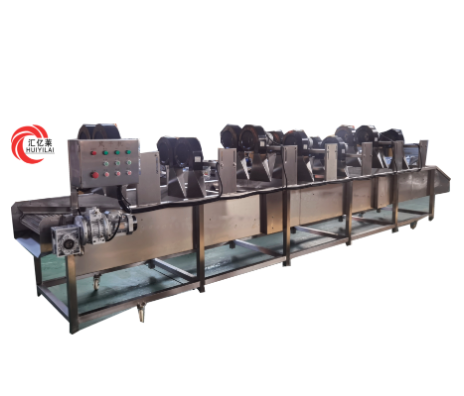
Once drying is complete, mango slices must cool gradually before packaging. Rapid or uneven cooling can cause moisture to condense on the fruit, which may lead to spoilage or stickiness. Cooling is usually done in well-ventilated rooms or using controlled cooling conveyors in industrial setups.
Quality control is a critical step. Workers or automated systems check:
Moisture content: Ensures slices are dry enough to prevent mold but not overly hard.
Texture: Dried mango should be chewy, soft, and slightly flexible—not sticky or brittle.
Color and aroma: Bright orange slices and fruity aroma indicate proper drying and pre-treatment.
In factories, monitoring happens throughout the process, not just at the end. Sensors, moisture meters, and visual inspections help maintain consistent quality across batches. Any slices that do not meet standards may be reprocessed or used for juice or puree production.
After cooling, mango slices are ready for packaging. Proper packaging is crucial to maintain freshness, flavor, and shelf life. Common options include:
Resealable plastic bags: Convenient for retail sales, keeps slices dry.
Vacuum-sealed packs: Extends shelf life and protects against oxidation.
Bulk industrial bags: Used for wholesale distribution or storage.
Factories often include desiccant packets inside the packaging to absorb any remaining moisture.
Labels provide essential information for consumers:
Production date – helps track freshness.
Ingredients – may include mango, sugar, citric acid.
Nutrition facts – energy, sugar, fiber, vitamins.
Proper packaging ensures the dried mangoes arrive in perfect condition for retail or export. It also helps build customer trust, since appearance, aroma, and texture remain consistent.
Producing top-quality dried mangoes requires attention to small details at every stage. Here are some practical tips:
Keep slices even thickness: Uniform slices dry consistently. Thicker pieces take longer and may stay too soft, while thinner slices can become brittle.
Avoid over-drying or under-drying: Monitor moisture content carefully. Over-dried mangoes are hard and lose chewiness; under-dried mangoes risk mold and spoilage.
Use blanching or soaking to preserve color: Briefly blanch slices or soak in natural solutions like citric acid or sugar to maintain bright orange color and enhance flavor.
Cool slices before packaging: Proper cooling prevents condensation and stickiness, which can reduce shelf life.
Store in a dry, airtight container: Keep dried mangoes away from humidity and direct sunlight to maintain texture, aroma, and taste.
Following these steps helps ensure the final product looks attractive, tastes sweet, and has a pleasant, chewy texture that consumers love.
Even experienced producers face challenges when making dried mangoes. Common issues include:
Browning – caused by tannins in the skin or oxidation. Pre-treatment and proper blanching can minimize it.
Uneven drying – slices of varying thickness dry at different rates, causing inconsistency in texture.
Texture problems – too hard, too soft, or sticky slices can result from incorrect drying temperature or moisture control.
Moisture reabsorption – occurs if slices are cooled improperly or stored in humid conditions, reducing shelf life.
Using the right food dryer machines, maintaining careful temperature control, and monitoring each batch closely can reduce these risks. Proper preparation, handling, and storage ensure a high-quality, safe, and flavorful product every time.
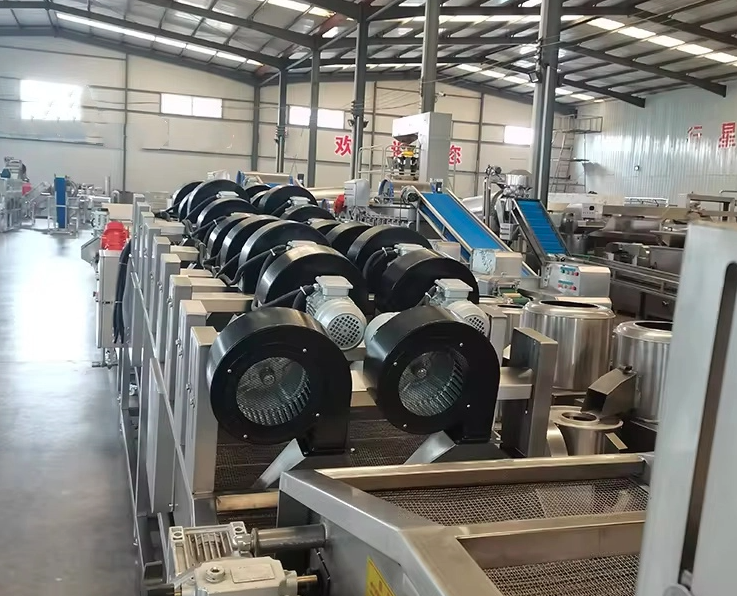
Freeze drying at home is rarely practical because it requires specialized equipment, precise temperature control, and a vacuum environment—conditions that are difficult to achieve outside of a professional setup. Even if attempted, home freeze drying often results in inconsistent texture, uneven moisture removal, and higher costs. In contrast, industrial methods are designed to carefully control every step of the drying process. They preserve the natural flavor, vibrant color, and chewy texture of mango slices, while retaining most of the nutrients. Large-scale production also allows for consistent quality across batches, ensuring that each piece meets consumer expectations for taste, appearance, and shelf life.
Industrial production: precise temperature control, uniform slices, large-scale output.
Home drying: smaller batches, more variability in texture and color.
A: Yes, you can make dried mangoes at home using an oven or home dehydrator, but the texture, color, and consistency may not match industrially produced mangoes.
A: Properly dried and packaged mangoes can last between 6 to 12 months when stored in a cool, dry, and airtight container.
A: Mango varieties like Luzon, Alphonso, Hainan native, and Ataulfo are ideal because they have firm flesh, good sweetness, and retain color and shape during drying.
A: For industrial drying, the temperature usually ranges between 55–62°C, depending on the stage and drying method, ensuring slices dry evenly without losing flavor.
A: Browning can be minimized by blanching slices briefly in hot water, soaking them in citric acid or sugar solutions, and removing all skin and residues that contain tannins.
Producing high-quality dried mangoes requires attention to detail at every stage, from selecting the best mango varieties to precise drying and packaging. Industrial methods ensure consistent flavor, texture, and nutritional value, while overcoming common challenges like browning, uneven drying, and moisture reabsorption. Whether for retail or export, proper handling and modern equipment make a significant difference in quality and shelf life.
For businesses looking to source premium dried mangoes or related processing equipment, Shandong Huiyilai International Trade Co., Ltd. offers reliable solutions, advanced machinery, and high-quality products to support large-scale production and maintain excellence across every batch.


