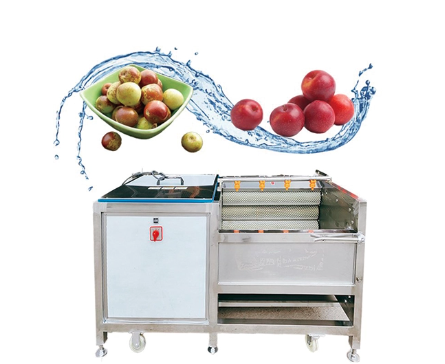
The food industry depends on strict cleaning and sanitation to keep products safe, consistent, and trusted. From processing plants to commercial kitchens, poor hygiene allows bacteria, allergens, and residues to spread fast. Using tools like a food washing machine helps ensure surfaces and raw produce are properly cleaned before further processing. This article explains why cleaning and sanitation are critical in the food industry, how they prevent foodborne illness, support regulatory compliance, and protect brand reputation. Whether you manage a facility or work on the floor, understanding proper food sanitation practices, including the right washing equipment, helps protect consumers and operations every day.
Understanding Cleaning vs. Sanitation in the Food Industry
In food operations, people often treat cleaning and sanitation as the same task. They are related, but they serve different purposes. Understanding the difference helps reduce food safety risks and prevents costly mistakes.
What Is Cleaning in the Food Industry?
Cleaning is the first step in food hygiene. It focuses on removing visible and invisible dirt from surfaces.
In food operations, cleaning means using water, detergents, and physical action to remove:
Food residue
Grease and oils
Dust, soil, and spills
Cleaning works by lifting and washing away unwanted material. It makes surfaces look clean, but appearance is not the goal. Cleaning does not kill most bacteria or viruses. It simply removes the materials that allow them to survive and multiply. Think of cleaning as clearing the road. If soil remains, nothing else can work properly.
What Is Sanitation in the Food Industry?
Sanitation comes after cleaning. It focuses on reducing microorganisms to safe levels. Sanitizing uses approved methods to control bacteria, viruses, and fungi on food-contact surfaces. It does not remove dirt. It works on surfaces that are already clean.
Common sanitizing methods include:
Chemical sanitizers (chlorine, quats, peracetic acid)
Heat sanitizing (hot water or steam)
UV light in controlled environments
Sanitizers work only when they touch the surface directly. Food residue blocks contact. That is why sanitation depends on proper cleaning first.
Key Differences Between Cleaning and Sanitizing
Cleaning and sanitizing are two separate steps in one safety system. Each step has a specific role.
| Aspect | Cleaning | Sanitizing |
| Main purpose | Removes dirt and residue | Reduces microorganisms |
| Kills pathogens | No | Yes, to safe levels |
| Chemicals used | Detergents and cleaners | Food-grade sanitizers |
| Surface condition | Dirty or clean | Clean only |
| Step order | First | Second |
Why Is Cleaning and Sanitation Important in the Food Industry?
Food safety starts inside processing plants, kitchens, and packaging areas, long before products reach consumers. Cleaning and sanitation protect food, people, and businesses every day by reducing contamination risks and maintaining hygienic production environments.
Preventing Foodborne Illnesses
Bacteria grow quickly when food residue and moisture remain on equipment or surfaces. Cleaning removes the organic matter bacteria rely on, while sanitation reduces microorganisms to safe levels. Common foodborne pathogens such as Salmonella, Listeria, and E. coli often spread through poorly cleaned tools, drains, or food-contact surfaces. When hygiene steps are skipped or rushed, bacteria transfer easily from surfaces to food, leading to outbreaks that harm consumers and disrupt operations.
Protecting Public Health and Vulnerable Populations
Some consumers face higher risks from contaminated food, especially children, elderly individuals, and people with weakened immune systems. In places like hospitals, schools, and mass catering facilities, a single sanitation failure can affect hundreds of people. Consistent cleaning and sanitation reduce exposure at the source, helping protect public health where the consequences of error are most severe.
Ensuring Regulatory Compliance
Food safety regulations require documented cleaning and sanitation programs as part of daily operations. Inspectors review sanitation schedules, cleaning records, and chemical usage during audits. Facilities that fail to meet hygiene requirements face serious consequences.
| Issue | Possible Outcome |
| Incomplete sanitation records | Failed inspection |
| Contaminated food products | Mandatory recall |
| Repeated violations | Fines or facility closure |
These rules exist to prevent illness, not to slow production.
Maintaining Food Quality and Consistency
Residue left on equipment affects more than safety. It changes taste, texture, appearance, and shelf life. When buildup from previous batches remains, it can transfer to new products and cause inconsistency. Proper cleaning resets production conditions, helping manufacturers deliver uniform quality from batch to batch.
Preventing Cross-Contamination and Allergen Risks
Cross-contamination often occurs through shared equipment, work surfaces, and employee contact. Cleaning plays a critical role in allergen control for ingredients such as nuts, dairy, and gluten. Sanitizing alone cannot remove allergens. Without thorough cleaning, traces remain and pose serious risks to sensitive consumers.
Protecting Brand Reputation and Consumer Trust
Consumers expect food to be safe every time they buy it. Poor hygiene leads to recalls, negative media coverage, and loss of confidence. Financial costs add up quickly, but damaged trust takes much longer to rebuild. Strong cleaning and sanitation practices protect brands by preventing problems before they reach the public.
The Role of Cleaning and Sanitation in Food Processing Facilities
Food processing facilities operate at high speed and scale, so small hygiene gaps grow into serious risks. Cleaning and sanitation work together to control contamination across equipment, infrastructure, and daily operations. They protect food safety while supporting efficiency and compliance.
Cleaning and Sanitizing Food Contact Surfaces
Food contact surfaces include equipment, conveyors, utensils, filling lines, and preparation tables. These areas touch food directly, so even minor residue matters. Cleaning removes grease, proteins, and sugars left behind after production. Sanitizing follows to reduce microorganisms to safe levels.
Transfer lines, gaskets, valves, and enclosed systems create extra risk. They trap moisture and soil, while remaining difficult to see or reach. If they stay dirty, bacteria move downstream into finished products. We rely on proper disassembly, CIP systems, and verified sanitation steps to control this risk.
Common high-risk food contact areas include:
Conveyors and belts
Mixing tanks and hoppers
Filling nozzles and slicers
Pipes, transfer lines, seals
Non-Food Contact Surface Hygiene
Non-food contact surfaces still influence food safety every day. Floors, drains, walls, ceilings, and air handling units collect moisture, dust, and organic debris. They become reservoirs for bacteria and mold. From there, contaminants spread through splashes, airflow, tools, or footwear.
Poorly maintained drains support pathogen growth and biofilms. Condensation on ceilings drips onto open lines. Dirty floors transfer contamination through wheels and boots. Even air systems move particles across zones if filters and ducts stay unclean.
| Surface Area | Hidden Risk |
| Floors and drains | Splashing, biofilm spread |
| Walls and ceilings | Condensation, mold growth |
| Air handling units | Airborne contamination |
| Utility areas | Cross-zone transfer |
Best Practices for Cleaning and Sanitation in the Food Industry
Strong cleaning programs rely on routine, clarity, and verification. We plan the work, use the right tools, then prove it worked. Each step protects food safety, people, and equipment during daily operations.
Establishing Structured Cleaning Schedules
Cleaning works best when tasks follow a clear rhythm. Some areas need attention every shift. Others require weekly or monthly focus. We adjust frequency based on risk, traffic, and product type. Daily tasks cover food contact zones and exposed equipment. Weekly tasks target drains, frames, and support structures. Deep cleans reach overheads, interiors, and idle lines. High-risk zones demand tighter schedules. Raw product areas, allergen lines, and wet environments receive more frequent cleaning.
Master Sanitation Schedules (MSS) organize all tasks in one plan. They assign:
MSS tools improve consistency and support audits.
Using the Right Cleaning and Sanitizing Agents
Not all soils behave the same. We match chemistry to the problem. Grease responds to alkaline detergents. Mineral scale needs acid-based cleaners. Organic buildup needs enzymatic support. Only food-safe detergents and sanitizers belong in processing areas. Labels guide proper use. Surfaces matter too. Soft metals, plastics, and seals react differently than stainless steel. Correct dilution protects safety and performance. Stronger is not better. Testing keeps concentrations in range.
Common control tools include:
They reduce errors and improve repeatability.
Proper Cleaning and Sanitizing Procedures (Step-by-Step)
Effective cleaning follows a logical order. Skipping steps weakens results.
Pre-rinse removes loose debris and sugars. It prepares the surface.
Wash uses detergent and action to break down soil. Scrubbing helps.
Rinse clears away detergent and lifted residue.
Sanitize reduces microbes to safe levels. Contact time matters.
Dry and reassemble prevents moisture traps and contamination.
Each step supports the next. When rushed, sanitizers lose power.
Monitoring and Verifying Cleanliness
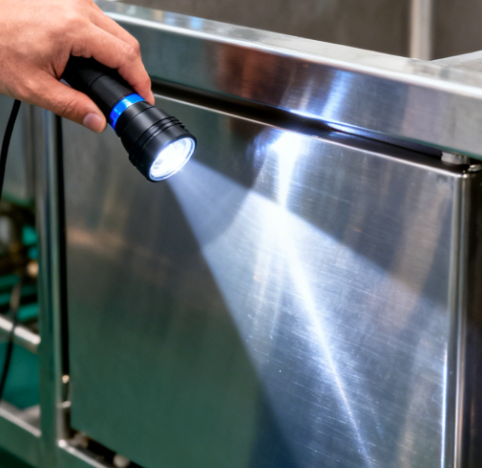
Clean must be visible and proven. Visual checks confirm surfaces look free from residue. They remain the first line of defense. ATP testing adds science. It detects organic residue invisible to the eye. High readings signal re-cleaning needs. Other tools include microbiological swabs and allergen tests. They support high-risk operations.
Documentation ties everything together. Logs record:
Tasks completed
Chemicals used
Test results
Corrective actions
Records protect facilities during inspections and audits.
Frequently Asked Questions
Q: Why is cleaning and sanitation important in the food industry?
A: It reduces contamination risks, prevents foodborne illness, protects consumers, and keeps food operations compliant and trustworthy.
Q: Are cleaning and sanitation the same thing?
A: No, cleaning removes dirt and residue, while sanitation reduces microorganisms to safe levels after cleaning.
Q: Why must cleaning always come before sanitizing?
A: Sanitizers cannot work properly if food residue or grease blocks surface contact.
Q: Can sanitizing replace proper cleaning?
A: No, sanitizing does not remove soil, allergens, or food residue from surfaces.
Q: What happens if food processing equipment is not cleaned correctly?
A: Residue builds up, bacteria grow, product quality suffers, and contamination risks increase.
Conclusion
Cleaning and sanitation shape how safely food moves from raw materials to finished products. When teams follow the right steps, choose proper chemicals, and verify results, they reduce risks that affect people, quality, and business continuity. Small actions on the floor often decide whether food stays safe or becomes a problem.
Shandong Huiyilai International Trade Co., Ltd. supports food industry partners with practical solutions and reliable equipment for hygienic processing. If you are strengthening cleaning programs or upgrading sanitation systems, working with an experienced supplier can make daily compliance easier and production more secure.


