In the bustling world of industrial food processing equipment , maintaining hygiene is paramount. Cleanliness directly impacts product safety and quality. Choosing the right cleaning equipment is crucial for meeting industry standards. In this post, you'll learn about assessing cleaning needs, types of equipment, and factors influencing selection. We'll explore sustainability, safety, compliance, and maintenance to guide your decision-making process.
Introduction
In the food industry, hygiene is non-negotiable. Efficient cleaning is essential not only for food safety but also for maintaining compliance with regulations. The cleanliness of production equipment, storage areas, and workspaces directly impacts product quality, customer satisfaction, and business profitability. Choosing the right food industry cleaning equipment is critical to ensuring that production lines remain free of contaminants and meet the strict hygiene standards required by regulatory bodies.
This article will explore the various types of food industry cleaning equipment , their features, benefits, and how to choose the right tools for your facility. We will also dive into key considerations such as automation, hygiene, and integration with industrial food processing equipment to optimize cleaning processes.
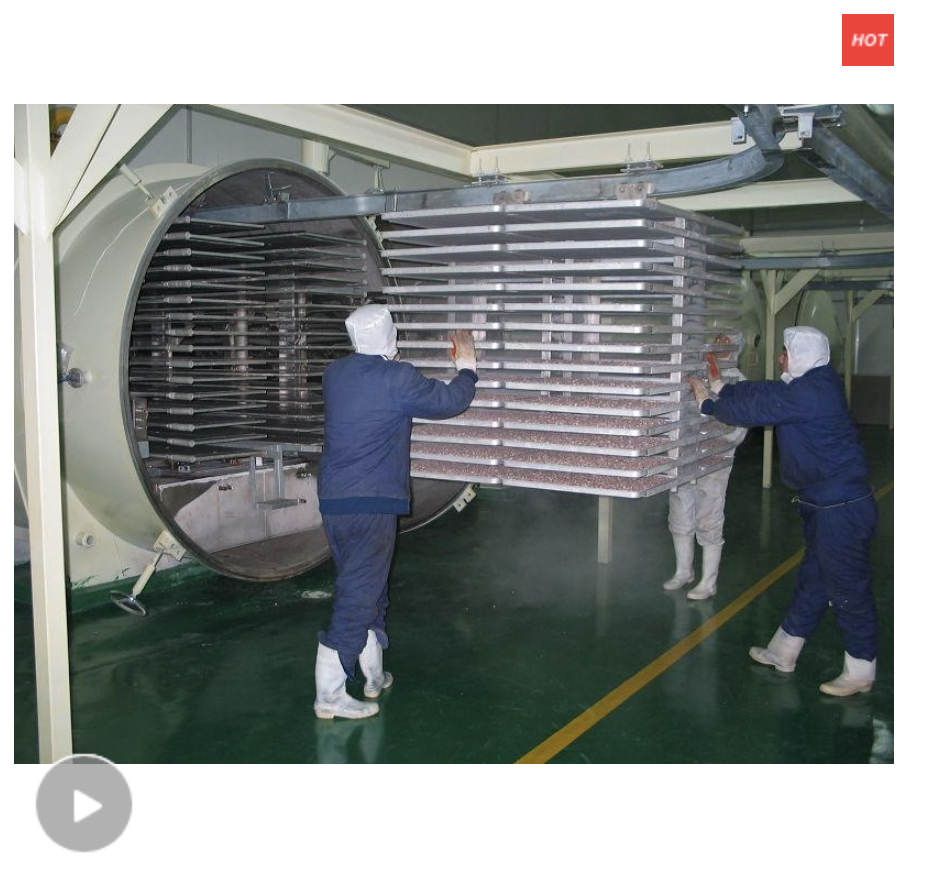
What is Food Industry Cleaning Equipment?
Food industry cleaning equipment refers to specialized machines and tools designed to clean and sanitize food production facilities, equipment, and utensils. These cleaning systems are built to meet stringent hygiene standards while being robust enough to handle the daily demands of food manufacturing processes.
Cleaning equipment used in the food industry can range from simple manual tools to complex automated systems, depending on the size and type of operation. Examples include floor scrubbers, pressure washers, conveyor belt cleaners, and high-temperature sanitizing machines. The goal of these tools is to ensure that no harmful bacteria, allergens, or contaminants remain on surfaces that come in direct contact with food.
Why Choose Food Industry Cleaning Equipment?
Selecting the right cleaning equipment for your food production facility is a crucial decision that directly impacts product quality, worker safety, and operational efficiency. Here are some reasons why investing in high-quality food industry cleaning equipment is essential:
1. Ensures Food Safety and Compliance
Food safety regulations are rigorous and vary by region, but all share a focus on preventing contamination. Proper sanitation is crucial to avoid foodborne illnesses, product recalls, and legal issues. Investing in the right cleaning equipment ensures that facilities stay compliant with industry standards such as HACCP (Hazard Analysis Critical Control Points) and FDA regulations.
2. Improves Operational Efficiency
Manual cleaning processes can be time-consuming and prone to human error. Automated cleaning equipment reduces labor costs and minimizes the downtime associated with manual sanitation efforts. It also speeds up the cleaning process, allowing your production line to resume faster and increase throughput.
3. Enhances Product Quality and Consistency
A clean production environment helps maintain the integrity of food products. Contaminants such as bacteria, molds, and allergens can affect the taste, texture, and safety of your products. Regular cleaning using high-quality equipment ensures that your products meet the highest quality standards consistently.
4. Boosts Worker Safety and Comfort
Maintaining a clean and sanitized facility helps prevent workplace accidents and illnesses. Automated cleaning systems, such as robotic cleaners and automatic conveyor belt wash systems, minimize human contact with hazardous cleaning agents or bacteria-laden equipment, reducing the risk of injury or exposure to harmful substances.
5. Long-Term Cost Savings
Regular maintenance and cleaning of equipment extend its lifespan and reduce the need for costly repairs. High-quality food industry cleaning equipment is designed for durability and efficiency, helping businesses save money in the long run by reducing wear and tear on both production machinery and labor costs.
Key Features of Food Industry Cleaning Equipment
When choosing food industry cleaning equipment, there are several important features to consider. These features can make a significant difference in the effectiveness of your cleaning efforts, the ease of operation, and the overall cost-efficiency of the equipment.
1. Automation
Automation in cleaning equipment is one of the most beneficial advancements for the food industry. Automated systems, such as robotic scrubbers and conveyor belt cleaning systems, significantly reduce manual labor, minimize human error, and ensure consistency in cleaning. These systems can be programmed to operate during off-hours, ensuring that cleaning takes place without disrupting production.
Example: Automated conveyor belt cleaning systems can be set to clean after every shift or after certain production runs, removing contaminants that could otherwise compromise food safety.
2. Hygiene and Sanitation Capabilities
Cleaning equipment designed for the food industry must meet the highest hygiene standards. The ability to sanitize surfaces thoroughly is a key factor in preventing contamination. Features such as stainless steel construction, smooth surfaces, and easy-to-clean designs help eliminate hard-to-reach places where bacteria can accumulate.
Example: High-pressure washers with adjustable nozzles can clean various surfaces, while sanitizing sprayers ensure that the entire facility, including production lines and storage areas, is disinfected effectively.
3. Durability and Resistance to Chemicals
Food industry cleaning equipment is often exposed to harsh chemicals, detergents, and high temperatures. Equipment made from corrosion-resistant materials such as stainless steel or specialized plastics is essential for long-term use. This durability ensures that cleaning equipment remains effective and cost-efficient over time.
4. Efficiency and Speed
Cleaning equipment in the food industry needs to perform tasks quickly and effectively. This helps minimize downtime and ensures that production lines are up and running as soon as possible. High-efficiency cleaners, such as steam cleaning systems, can sanitize large areas in a fraction of the time it would take to do manually.
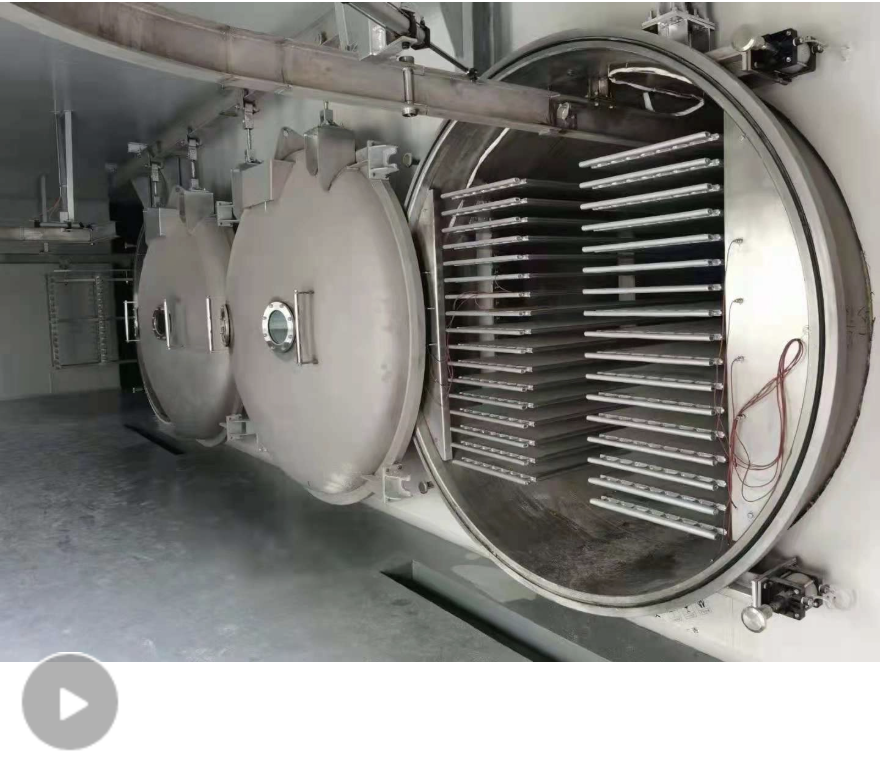
Applications of Food Industry Cleaning Equipment
Different segments of the food industry have unique cleaning needs based on the type of products they produce. Here’s how cleaning equipment is applied across various food sectors:
1. Meat and Poultry Processing
In meat and poultry facilities, hygiene is critical to prevent the spread of bacteria such as Salmonella and E. coli. Equipment used includes high-pressure washers, meat slicer sanitizers, and automated conveyor belt cleaners. These systems are often paired with automated systems for rapid cleaning and sanitization.
2. Dairy Production
Dairy processing plants use specialized cleaning equipment to remove milk residues and bacteria from processing equipment like pasteurizers, milk tanks, and filling machines. CIP (Clean-in-Place) systems are commonly used to clean internal parts of processing units without disassembling them, making the process more efficient and reducing labor costs.
3. Beverage Production
Beverage production facilities often use CIP systems to clean large tanks, piping, and filling machines. This helps maintain the quality of the final product and ensures that the equipment is free from contaminants such as yeast, mold, or bacteria. Automated floor scrubbers are also used to clean production floors efficiently.
4. Bakery and Confectionery
Bakeries require equipment that can clean mixing equipment, ovens, and conveyors. Cleaning systems for this sector focus on removing flour, dough residues, and sugar. Conveyor belt cleaners are essential to maintain the hygiene of production lines that handle dough and finished products.
How to Choose the Right Food Industry Cleaning Equipment?
Choosing the right cleaning equipment for your food processing facility requires careful consideration of several factors. Here’s what to keep in mind when making your decision:
1. Production Volume and Scalability
Consider the size of your operation and its cleaning needs. A small facility might only require manual or semi-automated equipment, while a large-scale production facility will need fully automated cleaning systems that can handle high volumes of production without disrupting workflow.
2. Ease of Integration
Ensure that the cleaning equipment you choose integrates well with your existing industrial food processing equipment. The more seamless the integration, the more efficient the entire cleaning and production process will be.
3. Budget and Total Cost of Ownership
While it’s tempting to opt for the cheapest option, the total cost of ownership is a better metric to evaluate cleaning equipment. This includes the initial cost, maintenance costs, energy consumption, and the expected lifespan of the equipment.
4. Hygiene Standards
Evaluate the equipment's ability to meet hygiene requirements in your facility. Ensure that it is capable of removing not only visible dirt but also invisible contaminants such as bacteria and viruses. High-quality cleaning equipment helps prevent contamination and ensures food safety compliance.
Maintenance and Support
Importance of Regular Maintenance for Longevity
Regular maintenance is essential to keep food industry cleaning equipment running efficiently and to extend its lifespan. Over time, even the best machines face wear and tear from constant use, exposure to cleaning chemicals, and varying temperatures. Scheduled inspections and servicing prevent minor issues from turning into costly breakdowns.
Maintenance tasks include checking seals and gaskets, lubricating moving parts, and inspecting spray nozzles or brushes for wear. Cleaning equipment components thoroughly after each use also prevents residue buildup, which can reduce performance or cause contamination risks.
A well-maintained machine operates at peak efficiency, reducing downtime and repair expenses. It also ensures consistent cleaning quality, which is critical for food safety and compliance. Ignoring maintenance can lead to unexpected failures, production halts, and expensive emergency repairs.
Implementing a preventive maintenance plan tailored to your equipment and usage patterns helps identify problems early. This plan should include routine checks, cleaning schedules, and replacement timelines for parts prone to wear. Training staff to recognize signs of malfunction and follow maintenance protocols further supports equipment longevity.
Access to Technical Support and Spare Parts
Having reliable access to technical support and spare parts is crucial for minimizing downtime and keeping your cleaning equipment operational. When equipment malfunctions, quick troubleshooting and repair are vital to avoid production delays.
Choose suppliers or manufacturers known for responsive customer service. They should offer expert technical assistance, either remotely or on-site, to help diagnose problems and guide repairs. Some providers also offer training programs, ensuring your team can handle basic maintenance and troubleshooting confidently.
Availability of genuine spare parts is another key factor. Using original parts maintains equipment performance and safety standards. Delays in obtaining parts can extend downtime, so it’s wise to establish agreements or stock critical components.
Consider service contracts that include scheduled maintenance visits, priority support, and guaranteed parts availability. This proactive approach reduces unexpected breakdowns and keeps your cleaning processes consistent and compliant.
Tip: Establish a preventive maintenance schedule and secure a reliable supplier for technical support and genuine spare parts to maximize your cleaning equipment’s uptime and lifespan.
Conclusion
Choosing food industry cleaning equipment involves assessing specific cleaning challenges, compliance with hygiene standards, and evaluating cleaning technologies. Consider ROI, compatibility, sustainability, and safety standards. Future trends focus on energy-efficient solutions and reducing environmental impact. Shandong Huiyilai International Trade Co., Ltd. offers advanced cleaning equipment that enhances efficiency and compliance, providing significant value to food processors.
FAQ
Q: What are the key factors to consider when choosing industrial food processing equipment for cleaning?
A: Consider specific cleaning challenges, hygiene standards, equipment compatibility, ROI, energy efficiency, and regulatory compliance when selecting industrial food processing equipment.
Q: How does automated cleaning compare to manual cleaning in the food industry?
A: Automated cleaning offers consistent quality and reduced labor costs, while manual cleaning provides flexibility for complex equipment but may lead to inconsistent results.
Q: Why is compliance with industry regulations crucial for industrial food processing equipment?
A: Compliance ensures food safety, protects consumers, and avoids fines and recalls, making it essential for industrial food processing equipment.
Q: What benefits do energy-efficient cleaning systems offer in the food industry?
A: Energy-efficient systems lower electricity costs, reduce carbon footprints, and minimize water consumption, benefiting both the environment and operational expenses.


