Efficient food production relies heavily on industrial food processing equipment .But what exactly is material handling equipment in this context? It's essential for moving raw materials and finished goods safely and efficiently. In this post, you'll learn about its types, benefits, and key considerations for choosing the right equipment in the food industry.
Introduction
In the food industry, efficient production processes are crucial to ensure high-quality products, meet consumer demand, and maintain safety standards. One essential part of this process is material handling equipment (MHE), which plays a pivotal role in moving raw materials, intermediate products, and finished goods through various stages of food production. Material handling equipment helps streamline workflows, reduce downtime, and increase productivity, all of which are vital to maintaining competitiveness in this fast-paced industry.
This article will explore the role of material handling equipment in food production, its key benefits, and how it integrates with industrial food processing equipment. Additionally, we’ll discuss how to choose the right material handling systems to meet the unique needs of your business.
What is Material Handling Equipment in the Food Industry?
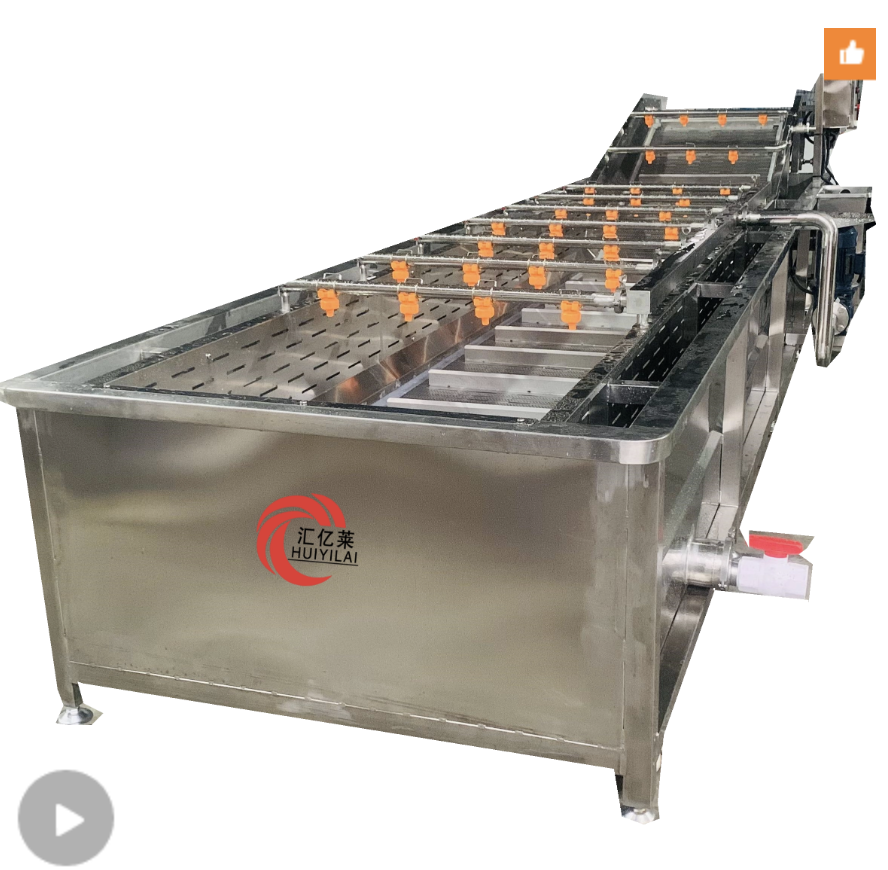
Material handling equipment in the food industry refers to specialized machinery used to transport, store, and manage raw materials, semi-processed products, and finished food products. These systems ensure that materials move efficiently between different stages of production, minimizing waste and optimizing workflow.
Types of Material Handling Equipment in Food Production
There are several types of MHE used in food production, each designed to perform specific tasks. These include:
● Conveyors: Used for moving ingredients, products, or packages from one area to another without human intervention. They come in different types, including belt conveyors, roller conveyors, and pneumatic conveyors.
● Automated Guided Vehicles (AGVs): These are autonomous machines that move raw materials or finished goods across the production facility. They reduce the need for manual labor and improve efficiency.
● Lift Tables and Hoists: Used for lifting or lowering heavy loads, these systems reduce physical strain on workers and prevent accidents related to lifting.
● Sorters: These systems organize products by weight, size, or type. They are especially useful for packaging lines where uniformity is crucial.
The Role of MHE in Food Safety and Hygiene
MHE in the food industry is not only designed to improve efficiency but also to ensure hygiene standards are met. The food industry is heavily regulated, and keeping products safe from contamination is a top priority. Material handling equipment is built with easy-to-clean surfaces, materials that resist corrosion, and designs that minimize places where contaminants could hide.
For instance, stainless steel is commonly used in food handling equipment due to its resistance to rust and ease of sanitation. This ensures that materials like raw meat, dairy, and vegetables can be handled without introducing harmful bacteria or foreign substances.
Integration with Industrial Food Processing Equipment
Material handling equipment is an essential part of the broader food processing ecosystem. It integrates seamlessly with industrial food processing equipment to maintain a smooth flow of raw materials and finished products. For example, conveyors work alongside mixers, grinders, and ovens, carrying ingredients to the right processing stages. Automated systems can further synchronize these processes, ensuring minimal human intervention and faster turnaround times.
Why Choose Material Handling Equipment in the Food Industry?
Material handling equipment provides several critical advantages that directly impact the productivity, efficiency, and safety of food production operations. Below are key reasons why businesses in the food industry should invest in MHE.
Increased Efficiency and Productivity
One of the most significant benefits of MHE is its ability to improve operational efficiency. Automated systems, such as conveyors and robotic arms, handle repetitive tasks like moving ingredients or packing finished products, freeing up labor for more specialized tasks.
By automating the handling of materials, manufacturers can achieve faster processing times, which directly increases production throughput. For example, automated packaging lines can seal, label, and box products much quicker than manual methods.
Enhanced Product Consistency and Quality Control
In the food industry, product consistency is key. MHE helps ensure that materials are handled precisely, avoiding variations in the final product. For example, automated sorting and packaging systems use sensors to check the size, weight, and quality of products as they move through the line, ensuring that only products meeting specifications are processed further.
Automated material handling systems also help reduce human error, which can lead to inconsistencies. As a result, the end product remains uniform and meets consumer expectations every time.
Improved Worker Safety and Ergonomics
Material handling equipment also contributes to workplace safety. By using automated systems to lift heavy loads or move items, the risk of employee injuries due to repetitive strain or accidents is significantly reduced. Lift tables and hoists allow workers to safely handle bulky items without putting themselves at risk.
Additionally, ergonomic improvements in food handling equipment, such as height-adjustable workstations or conveyors that reduce bending, enhance worker comfort and productivity.
Key Features of Material Handling Equipment in the Food Industry
When choosing material handling equipment, it is essential to consider specific features that align with your food production needs. Here are two critical features to look for when investing in MHE.
Feature 1: Automation
Automation is a game-changer in material handling for the food industry. Automated systems allow businesses to handle large volumes of materials with minimal manual input, making them ideal for high-demand production environments. Automated Guided Vehicles (AGVs) and robotic arms are commonly used to transport raw materials and packaged products across facilities, improving workflow and reducing reliance on human labor.
For instance, an automated system can move raw vegetables from receiving to cleaning stations, sort them by size or quality, and then transfer them to the processing line without manual intervention.
Feature 2: Hygiene and Cleanability
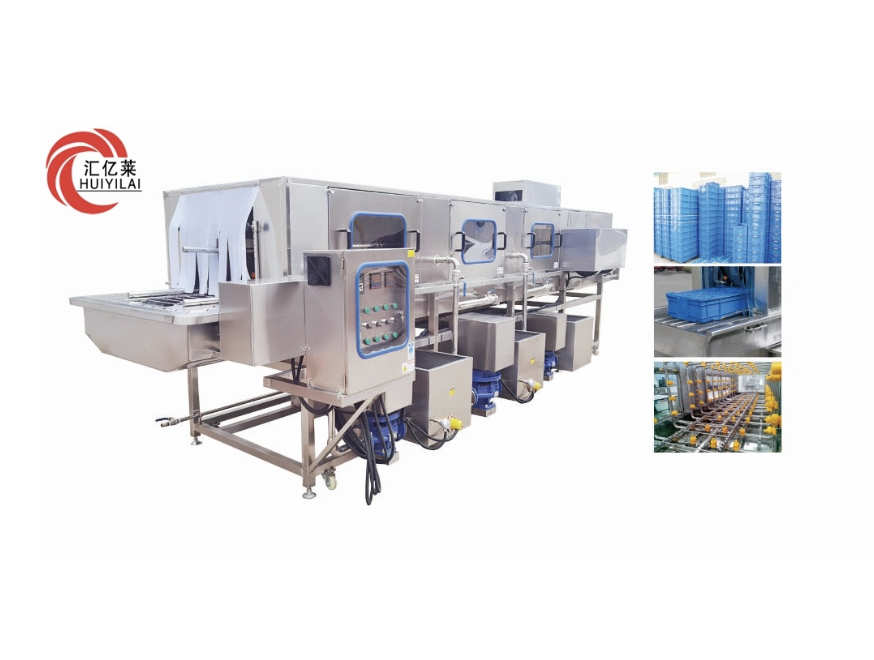
Since hygiene is a top priority in food production, material handling equipment must be designed for easy cleaning. Equipment that accumulates food debris or contaminants can lead to food safety issues. Materials such as stainless steel are commonly used because they are resistant to corrosion and easy to sanitize.
In addition, some systems are designed with features like smooth surfaces and minimal seams, reducing the places where bacteria could hide. These design elements are crucial for meeting food safety standards and preventing contamination.
Applications of Material Handling Equipment in the Food Industry
Material handling equipment plays an essential role in various sectors within the food industry, each with unique requirements. Here's a look at how MHE is used in different areas of food production.
MHE in Meat Processing
Meat processing requires heavy-duty material handling systems that can move raw meat through cleaning, cutting, and packaging stages. Equipment like conveyors, meat grinders, and vacuum sealers are designed to handle large quantities of meat while minimizing contamination risks. Additionally, refrigerated MHE helps maintain temperature control during transportation and storage.
MHE in Bakery and Confectionery Production
In bakery and confectionery production, MHE is used to move ingredients, dough, and finished products through different stages. Dough mixers, ovens, and packaging machines are often integrated with conveyors to streamline operations. For example, conveyors can move dough from mixers to ovens, ensuring even baking and consistent product quality.
MHE in Beverage Production
In beverage production, MHE is crucial for handling raw ingredients, such as grains or fruit, and transporting them to processing areas. Conveyors are often used to move bottles, cans, or cartons through filling, capping, and labeling stages. MHE systems also help ensure that production lines maintain a consistent flow, reducing bottlenecks and improving efficiency.
How to Choose the Right Material Handling Equipment for the Food Industry?
Choosing the right material handling equipment for your food production facility requires careful consideration of several factors. Here’s what you need to keep in mind.
Consider Production Volume and Scalability
The first thing to assess when choosing MHE is your current and future production needs. If you expect to scale your operations, opt for equipment that can accommodate future growth. For instance, a semi-automatic system may be sufficient for small operations, but larger facilities might require fully automated solutions.
Prioritize Hygiene and Maintenance
Food processing equipment must meet strict hygiene standards. Choose equipment that is easy to clean and resistant to contamination. Also, look for systems that are durable and designed for minimal downtime. A machine that requires frequent repairs can hinder productivity and increase long-term costs.
Evaluate Integration with Existing Systems
Finally, make sure the material handling equipment you select integrates well with other industrial food processing equipment. A seamless connection between MHE and other processing machinery, like mixers or packaging lines, will help optimize the entire production process.
Case Studies: Successful Implementation of Material Handling Equipment
Case Study 1: Dairy Processing Plant
A large dairy processing plant implemented advanced material handling systems to improve efficiency and hygiene. They integrated automated conveyors, robotic palletizers, and AGVs to transport raw milk, packaging materials, and finished products. The conveyors were designed for easy cleaning, meeting strict food safety regulations. Robotics handled delicate tasks like carton packing, reducing human contact and contamination risks.
The plant saw a 30% increase in throughput and a significant reduction in product damage. Worker safety improved due to less manual lifting and handling. Energy-efficient forklifts replaced older diesel models, lowering emissions and noise. The integration of smart sensors allowed real-time monitoring of material flow, optimizing maintenance schedules and minimizing downtime.
Case Study 2: Meat Processing Facility
A meat processing facility invested in customized material handling equipment to address challenges of heavy loads and strict hygiene demands. They installed stainless steel conveyors resistant to corrosion and easy to sanitize. AGVs were used to move heavy meat pallets, reducing worker fatigue and injury risks.
Robotic arms were introduced for cutting and packaging tasks, ensuring precision and consistency. The facility adopted a modular conveyor system, allowing flexible reconfiguration for different product lines. This adaptability helped them respond quickly to market changes and seasonal demands.
The implementation resulted in a 25% reduction in labor costs and improved product traceability due to integrated tracking systems. Enhanced cleaning protocols supported by equipment design minimized contamination risks, boosting food safety compliance.
Lessons Learned
Customization is key: Tailoring equipment to specific product types and facility layouts maximizes efficiency and safety.
Integration of automation: Combining conveyors, AGVs, and robotics streamlines workflows and reduces manual labor.
Focus on hygiene: Equipment made from food-grade materials and designed for easy cleaning helps maintain strict food safety standards.
Flexibility matters: Modular systems allow quick adjustments to production needs and support scalability.
Data-driven maintenance: Smart sensors and monitoring tools reduce downtime and extend equipment lifespan.
Employee training: Proper training ensures safe operation and maximizes the benefits of new technology.
Successful material handling equipment implementation requires strategic planning, investment, and ongoing management. These case studies demonstrate how technology can transform food processing operations, improving productivity, safety, and product quality.
Tip: When planning material handling upgrades, involve cross-functional teams early to ensure equipment meets operational, safety, and hygiene requirements while supporting future growth.
Conclusion
Material handling equipment is essential in the food industry, enhancing efficiency, safety, and cost-effectiveness. Automation and robotics are revolutionizing processes, while smart systems improve traceability and sustainability. Future trends point towards increased automation and energy efficiency. Shandong Huiyilai International Trade Co., Ltd. offers innovative solutions, ensuring compliance with food safety standards and boosting productivity. Their products are designed to meet evolving industry needs, providing significant value through advanced technology and reliable performance.
FAQ
Q: What is industrial food processing equipment used for in the food industry?
A: Industrial food processing equipment is used to efficiently move raw materials, ingredients, and finished products through different stages of production, ensuring smooth operations and maintaining hygiene standards.
Q: How does industrial food processing equipment enhance safety and hygiene?
A: Industrial food processing equipment, such as conveyors and robotics, reduces human contact with food products, minimizing contamination risks and maintaining high hygiene standards.
Q: Why is automation important in industrial food processing equipment?
A: Automation in industrial food processing equipment increases efficiency, reduces labor costs, and minimizes errors, thereby enhancing overall productivity and safety.


