
Views: 0 Author: Site Editor Publish Time: 2026-11-09 Origin: Site


Upgrading or establishing a commercial fruits processing facility is a high-stakes capital expenditure. A mismatch between equipment capabilities and facility realities creates severe problems. It can lead to sudden bottlenecking, rapid product degradation, or catastrophic compliance failures. Factory managers often focus purely on maximum speed. This narrow view ignores holistic facility integration. It ignores how seasonal variations impact overall production.
You must look beyond basic capacity requirements. You need to evaluate structural modularity carefully. Long-term operational costs and vendor reliability dictate your ultimate profitability. Selecting the right industrial equipment requires a localized evaluation. You must analyze your exact product variants thoroughly. Facility infrastructure readiness is also critical. Your chosen machinery must meet stringent food safety compliance standards.
We will guide you through balancing capacity against quality. You will discover how to integrate modular equipment units seamlessly. You will also learn how to navigate utility requirements. By the end, you will know exactly how to establish rock-solid service level agreements before signing any contracts.
Maximizing raw speed often creates a false sense of efficiency. True profitability comes from maximizing usable product yield. You must align your equipment choices around yield preservation.
You must evaluate how the equipment handles seasonal variations. Fruit characteristics change dramatically throughout the harvest season. Early-season apples are firm and crisp. Late-season cold-storage apples become softer. They bruise much more easily. Berries vary in water content based on recent rainfall. A rigid machine cannot adapt to these physical changes.
You need adjustable parameters on all handling units. Operators must be able to tweak belt speeds easily. They should adjust roller pressure to accommodate varying fruit ripeness. If equipment cannot adapt, it will crush soft fruit. This physical damage reduces your usable yield instantly. Raw material variability is the biggest hidden cause of waste.
High-speed machines often sacrifice delicate handling. You must establish acceptable damage thresholds for your specific end-product. Intact frozen berries require extremely gentle conveying mechanisms. Juice extraction processes tolerate aggressive mashing. You cannot use the same handling philosophy for both.
Ask vendors for verifiable yield percentage case studies. Do not accept theoretical maximum throughput numbers. Request data on your specific fruit type. High throughput is useless if it pulverizes premium fruit into low-grade pulp.
You must clearly define your final output formats. The core technology required shifts entirely based on your end-product. Consider these distinct product pathways:
Your end-product dictates the entire line architecture. Mixing these requirements without planning causes severe operational bottlenecks.
A rigid setup limits your future growth potential. You must prioritize structural modularity. A scalable fruits processing line allows you to swap units easily. You can switch from slicing to pureeing without replacing everything.
Washing is the first line of defense against pathogens. Standard bubble washing works well for sturdy items. High-pressure spray systems remove stubborn dirt from contoured surfaces. Delicate fruits need gentle agitation. Root-heavy items demand aggressive scrubbing.
Sorting technology defines your final quality control. Manual sorting relies on human eyes. It is slow and prone to fatigue. Optical AI sorting machines use advanced cameras. They scan each item instantly. They detect tiny blemishes, mold spots, or color inconsistencies. Optical sorters have a higher upfront cost. However, they significantly reduce labor dependency. They improve defect removal precision drastically.
| Technology Type | Initial Investment | Labor Dependency | Defect Precision | Ideal Application |
|---|---|---|---|---|
| Manual Roller Sorting | Low | Very High | Inconsistent | Small-batch, sturdy crops |
| Standard Optical | Medium | Medium | High (Color/Size) | Single-color crops (e.g., tomatoes) |
| AI-Driven Near-Infrared | High | Low | Exceptional (Internal Defects) | Premium exports, delicate berries |
The central processing unit performs the heaviest labor. Ensure all cutting mechanisms are easily adjustable. Pitting modules must handle various stone sizes seamlessly. Pulping mechanisms should feature interchangeable screens. This modularity lets you process peaches on Monday and cherries on Tuesday. Quick-change parts keep facility downtime to an absolute minimum.
New machinery must talk to old machinery. Assess whether new units can integrate easily. They must connect with existing upstream receiving hoppers. They must feed smoothly into downstream packaging equipment. Legacy equipment often uses older analog controls.
Beware of proprietary software connections. They lock you into a single vendor forever. You want open-architecture control systems. These systems allow third-party upgrades later. Closed systems force expensive, monopolized maintenance contracts upon you.
Food safety compliance is not optional. It is the foundation of your facility. Equipment design directly impacts your ability to pass health inspections. Poor design creates bacterial breeding grounds.
Verify the exact materials used in construction. You must demand food-grade 304 stainless steel for basic setups. For highly acidic items like citrus or pineapples, demand 316L stainless steel. Acidic juice corrodes inferior metals quickly. Corrosion leads to contamination.
Inspect the welding quality closely. Look for smooth, continuous welds on all contact surfaces. Spot welding leaves tiny gaps. These gaps become dead zones where dangerous bacteria accumulate. All corners should feature a rounded radius. Water must drain completely from all surfaces naturally.
You cannot disassemble a massive machine daily. Evaluate the automated cleaning features meticulously. Clean-In-Place (CIP) systems circulate water and detergents automatically. They flush the entire system without manual teardowns. Manual cleaning of complex lines drastically increases downtime. It also introduces severe cross-contamination risks. Human error in cleaning leads to product recalls. Robust CIP functionality guarantees consistent sanitation.
Your current building might not support new machinery. Cross-reference the equipment footprint against your floor plan. Machinery requires generous clearance space for maintenance crews. Do not cram equipment against walls.
Evaluate your power, water, and pneumatic load capacities. Upgrading plant utility infrastructure can quietly double deployment costs. A new extraction unit might draw massive electrical amperage. It might require dedicated high-pressure steam lines. Validate these requirements before placing purchase orders.
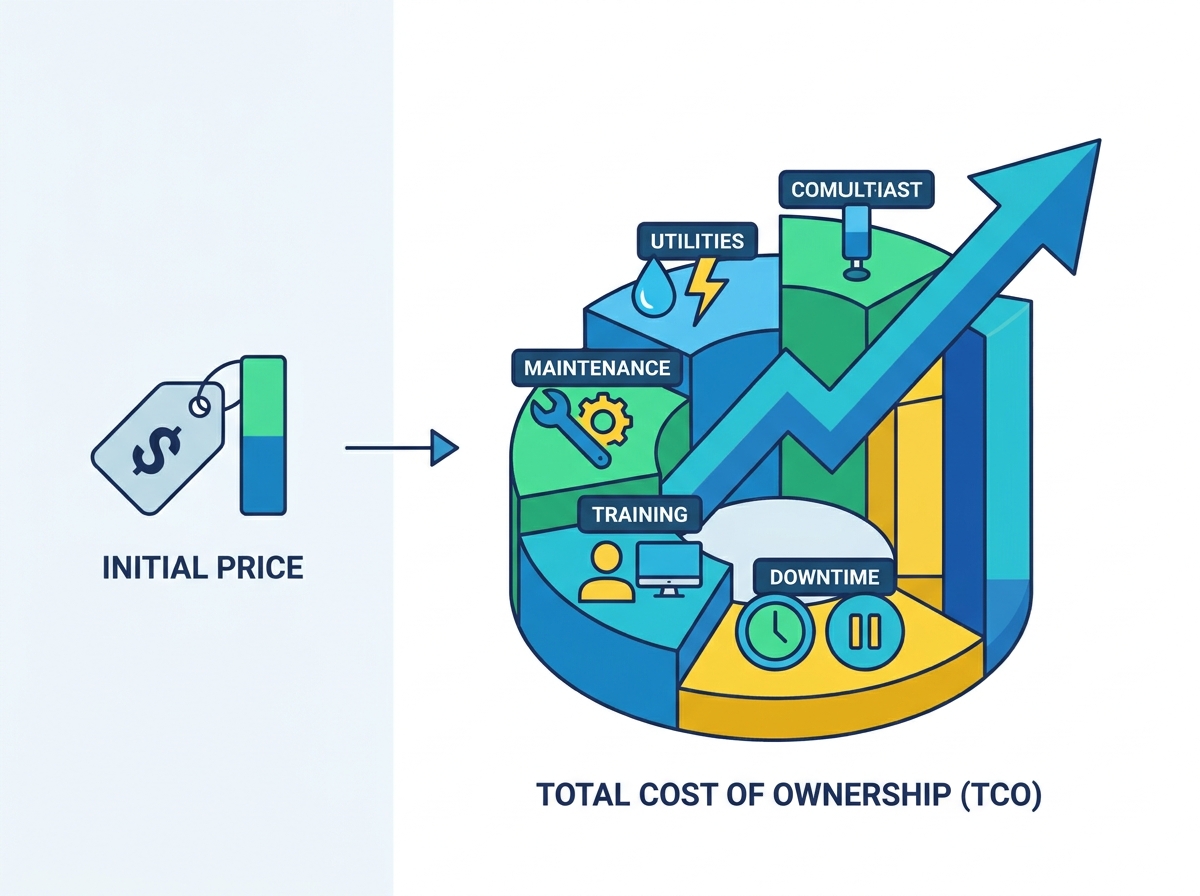
Initial procurement prices only tell a fraction of the story. Ongoing resource usage dictates daily profitability. You must also secure ironclad guarantees regarding post-sale support.
Industrial processing consumes enormous volumes of resources. Demand transparent, localized data on water usage. Ask vendors for the machine's gallons-per-minute consumption rate. You should prioritize equipment featuring internal water recycling capabilities. Modern washing flumes filter and reuse water continuously. This reduces municipal utility bills significantly.
Energy efficiency is equally critical. Evaluate the electrical load of conveyor motors and thermal units. Look for variable frequency drives (VFDs) on all major motors. VFDs adjust energy usage based on real-time load demand. They prevent wasteful power surges during partial-capacity runs.
Machines break down eventually. The source of replacement parts matters immensely. Find out where spare parts are shipped from. Opt for vendors using commercially available sensors and motors. Off-the-shelf components are easy to find locally. Highly bespoke, custom-machined components cause weeks of agonizing downtime. If a proprietary gearbox fails during peak harvest, you lose massive revenue.
A handshake is not a support contract. You need legally binding commitments. Look for strict guarantees on installation timelines. Ensure the vendor provides comprehensive operator training protocols. Your staff must know how to troubleshoot basic errors independently.
Demand guaranteed response times for technical support. If software crashes on a Sunday, you need immediate remote assistance. Secure agreements detailing preventative maintenance visits. Excellent vendors act as long-term operational partners. Poor vendors disappear after the final invoice clears.
Choosing a vendor requires extreme diligence. Spec sheets often exaggerate performance capabilities in perfect conditions. You must validate these claims in the real world.
Never purchase a complete facility setup based solely on brochures. You must demand pilot testing. Send your actual raw materials to the vendor's test facility. Run a small batch through their machines. Measure the exact yield percentage yourself. Inspect the final product quality closely. This proof of concept reveals hidden flaws before you spend millions.
Ask prospective vendors for introductions to existing clients. You want to speak with managers operating at a similar scale. Do not settle for hand-picked, overly positive reviews. Probe specifically about post-installation support. Ask them about the frequency of sensor failures. Inquire about hidden maintenance expenses. Real users provide the most accurate assessment of machine durability.
You do not need to buy everything at once. Consider vendors who support a phased implementation strategy. You can implement a core washing and cutting sequence first. You can add secondary automation later. You might integrate robotic palletizing after revenue stabilizes. This modular approach mitigates immediate financial risk. It allows your staff to master core functions before tackling advanced robotics.
A profitable industrial setup balances raw throughput with maximum product yield. You must prioritize stringent hygiene design to prevent catastrophic recalls. Realistic utility consumption rates keep daily operating overhead manageable.
Avoid making decisions based purely on the lowest initial capital cost. Base your final selection on verifiable pilot tests. You need robust service agreements to ensure uptime. Structural modularity allows your business to adapt to changing market demands seamlessly.
Your immediate next step is auditing your current facility capacities. Document your available water flow, electrical limits, and floor space. Draft a rigid Request for Proposal (RFP) focusing heavily on localized compliance standards. Submit this detailed RFP to shortlisted vendors before soliciting their final quotes.
A: Custom setups usually require 3 to 6 months for manufacturing. You must add 2 to 4 weeks for physical installation. Site acceptance testing (SAT) takes another week. Total timelines depend heavily on system complexity and your facility's physical readiness.
A: Yes, if designed with modularity in mind. Switching between drastically different items (like apples versus berries) requires adjustable sorting parameters. You will need interchangeable cutting heads. This flexibility increases the baseline equipment cost but ensures greater seasonal versatility.
A: High-quality stainless steel frameworks typically last 15 to 20 years. This requires strict adherence to preventative maintenance and daily CIP protocols. Electronic components, sensitive touchscreens, and optical sensors will require upgrading much sooner.


