Beef jerky, a beloved snack tracing back to ancient preservation methods, has seen a resurgence among culinary enthusiasts. Dehydration, the process of removing moisture to inhibit bacterial growth, is pivotal in crafting high-quality jerky. Utilizing a food dryer enhances consistency and efficiency in this process. This article delves deep into the art and science of making beef jerky using a food dehydrator, exploring techniques, safety protocols, and the advantages of modern dehydration equipment.
Selecting the Right Cut of Beef
Choosing the appropriate cut is crucial for optimal texture and flavor. Lean cuts with minimal fat are preferred, as fat can become rancid during storage. Popular choices include top round, bottom round, and eye of round. These cuts offer a balance of tenderness and leanness, ensuring the jerky is both palatable and shelf-stable.
Why Lean Cuts Matter
Fat does not dehydrate as effectively as muscle fibers, leading to uneven drying. It also accelerates spoilage due to oxidative rancidity. By selecting lean cuts, we mitigate these risks, resulting in a safer and longer-lasting product.
Preparing the Meat
Proper preparation sets the foundation for quality jerky. Begin by trimming any visible fat. Freezing the beef slightly can aid in slicing, allowing for uniform thickness. Aim for slices about 1/4 inch thick. Consistent thickness ensures even dehydration across all pieces.
Marination Techniques
Marinating infuses flavor and can enhance preservation. A basic marinade includes soy sauce, Worcestershire sauce, pepper, and garlic powder. Submerging the meat for 12 to 24 hours allows deep flavor penetration. It is essential to refrigerate during this process to inhibit bacterial growth.
Ensuring Food Safety
Food safety is paramount. According to the USDA, heating beef to an internal temperature of 160°F before dehydration can eliminate potential pathogens. Pre-heating the meat in an oven or boiling marinade can achieve this temperature, providing an extra layer of safety.
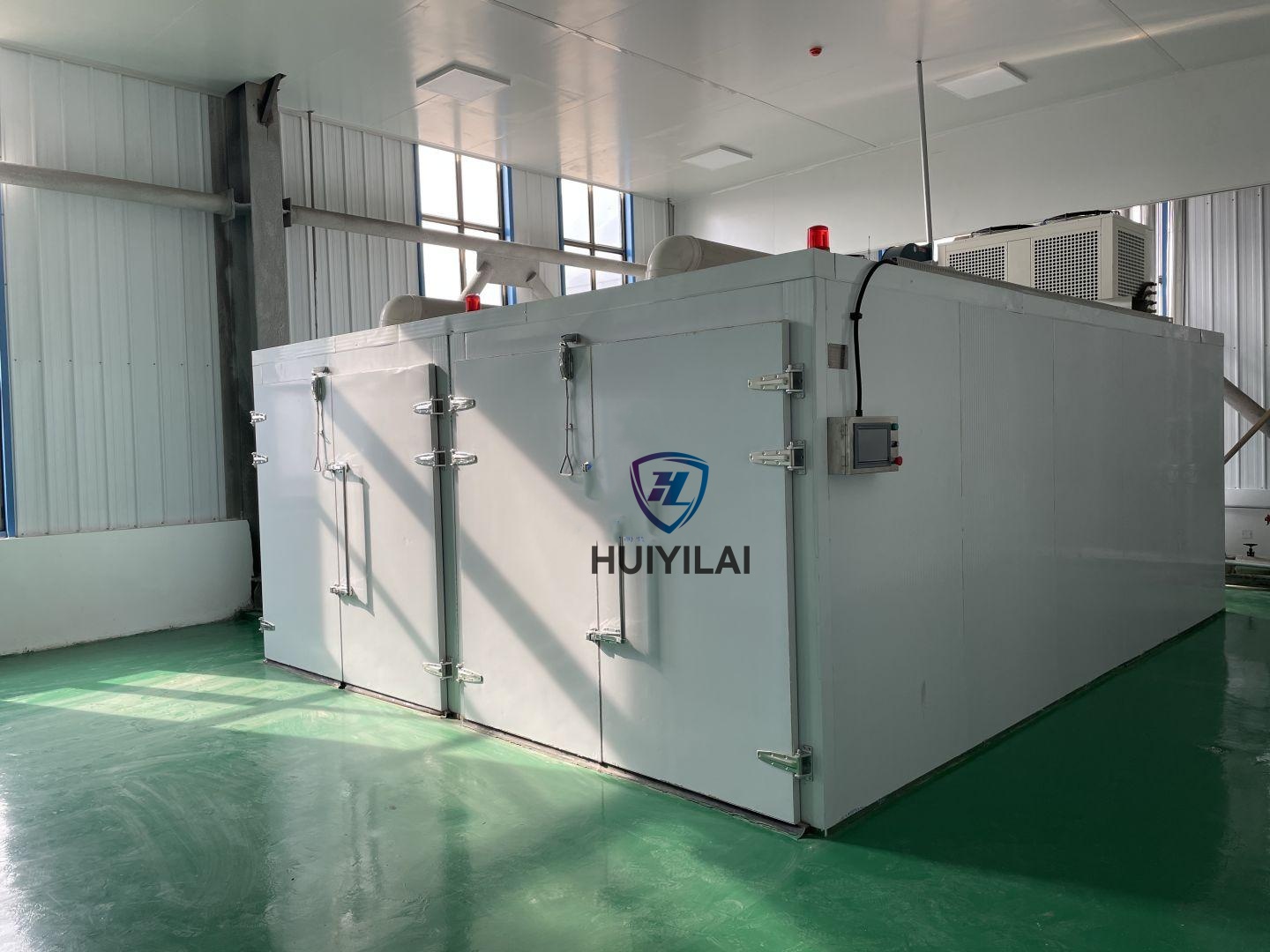
Using a Food Dehydrator
A food dehydrator provides controlled conditions ideal for making jerky. It circulates warm air, removing moisture efficiently. Modern dehydrators, such as the industrial food dryer, offer precise temperature settings and airflow control.
Setting Up the Dehydrator
Preheat the dehydrator to 160°F to start the dehydration process at a temperature that ensures food safety. Arrange the meat slices in a single layer on the dehydrator trays, ensuring they do not overlap. Proper spacing allows air to circulate freely around each piece.
Temperature and Time Considerations
Maintain a consistent temperature between 160°F and 175°F during dehydration. The process typically takes 4 to 6 hours, but factors like slice thickness and dehydrator efficiency can affect drying time. Regularly check the jerky for doneness starting at the 3-hour mark.
Testing for Doneness
Properly dried jerky should be leathery and flexible but not brittle. To test, bend a piece at a 90-degree angle; it should crack but not break. This indicates sufficient moisture removal while retaining some pliability.
Advanced Dehydration Equipment
For enthusiasts and professionals alike, advanced equipment like the industrial continous mesh belt vegetalbe dryer offers enhanced capabilities. Such machines provide uniform drying conditions and can handle larger quantities, improving efficiency for commercial operations.
Benefits of Industrial Dehydrators
Industrial dehydrators offer precise control over temperature and humidity, ensuring consistent product quality. They often feature multi-layer belts for continuous processing, ideal for large-scale production. These machines can significantly reduce labor costs and processing time.
Storage and Shelf Life
Proper storage extends the shelf life of beef jerky. Store in airtight containers or vacuum-sealed bags to limit exposure to air and moisture. Keeping jerky in a cool, dark place preserves its quality for up to two months.
Vacuum Packaging
Using a vacuum sealer removes air from packaging, inhibiting oxidation and spoilage. This method is particularly effective for long-term storage and can be enhanced by refrigeration or freezing. Commercial vacuum sealers are available for both home and industrial use.
Flavor Variations and Enhancements
Experimentation with flavors can elevate beef jerky to gourmet status. Incorporating spices like cayenne pepper, honey, teriyaki sauce, or liquid smoke introduces new taste profiles. Balance is key to prevent overpowering the natural beef flavor.
Natural Preservatives
Adding natural preservatives like curing salt (sodium nitrite) can extend shelf life and enhance safety. It inhibits bacterial growth and adds a characteristic cured flavor. However, it's critical to use such additives in recommended quantities to ensure health safety.
Understanding the Science Behind Dehydration
Dehydration removes water activity, which is essential for microbial growth. Lowering the water activity below 0.85 effectively prevents growth of pathogenic bacteria. Understanding this science is fundamental to producing safe and high-quality jerky.
Water Activity and Shelf Stability
Water activity (aw) measures the availability of free water for microbial use. Jerky typically has an aw between 0.60 and 0.75. Monitoring aw can be achieved using specialized equipment, ensuring the product meets safety standards.
Regulations and Compliance
For commercial producers, adhering to food safety regulations is mandatory. The FDA and USDA have guidelines on processing and handling jerky products. Compliance ensures not only consumer safety but also protects the producer from legal liabilities.
Hazard Analysis and Critical Control Points (HACCP)
Implementing a HACCP plan identifies potential hazards and establishes critical control points in the production process. Monitoring these points helps in maintaining product safety and quality, which is essential for consumer trust and brand reputation.
Crafting beef jerky using a food dehydrator is a meticulous process that blends culinary art with food science. By selecting quality meat, adhering to safety protocols, and utilizing appropriate equipment like the food dryer machine, one can produce superior jerky. Whether for personal consumption or commercial endeavors, understanding each step ensures a delicious and safe product.
FAQs
1. Can I use a regular oven instead of a food dehydrator?
Yes, a regular oven can be used by setting it to the lowest temperature and propping the door open to allow moisture to escape. However, a food dryer machine provides more consistent results.
2. How long can homemade beef jerky be stored?
When stored in airtight containers at room temperature, homemade jerky can last up to two months. Using vacuum sealing and refrigeration can extend its shelf life further.
3. Is it necessary to precook meat before dehydrating?
Precooking meat to an internal temperature of 160°F is recommended to eliminate potential pathogens. This step enhances food safety, especially for home production.
4. What is the benefit of using an industrial food dryer?
An industrial food dryer offers precise control over drying conditions, improving efficiency and consistency. It is ideal for large-scale production.
5. Can I dehydrate other foods using the same equipment?
Yes, food dehydrators are versatile and can be used for fruits, vegetables, and herbs. Adjusting temperature and time settings accommodates different food types.
6. What are natural preservatives I can use in jerky?
Natural preservatives like salt, sugar, and spices not only enhance flavor but also inhibit microbial growth. Curing salts containing sodium nitrite are also effective when used correctly.
7. Are there commercial solutions for vacuum packaging jerky?
Absolutely, commercial vacuum packaging machines are available for various scales of production. They improve shelf life and maintain product quality by removing air from packaging.


