Introduction
Investing in industrial food processing equipment is one of the most critical decisions for any food-related business. The machinery you choose directly impacts production efficiency, product quality, and overall operational safety. A poor choice can lead to costly downtime, increased labor needs, and inconsistencies in product output.
Whether you are running a large-scale food factory or a smaller commercial kitchen, selecting the right equipment requires careful consideration of production capacity, compliance standards, and technological integration. This guide explores essential aspects of purchasing industrial food processing equipment, helping businesses identify the right suppliers, understand machinery features, and evaluate technology trends. By the end, readers will be equipped to make informed, long-term investment decisions that optimize workflow, reduce costs, and maintain food safety standards.
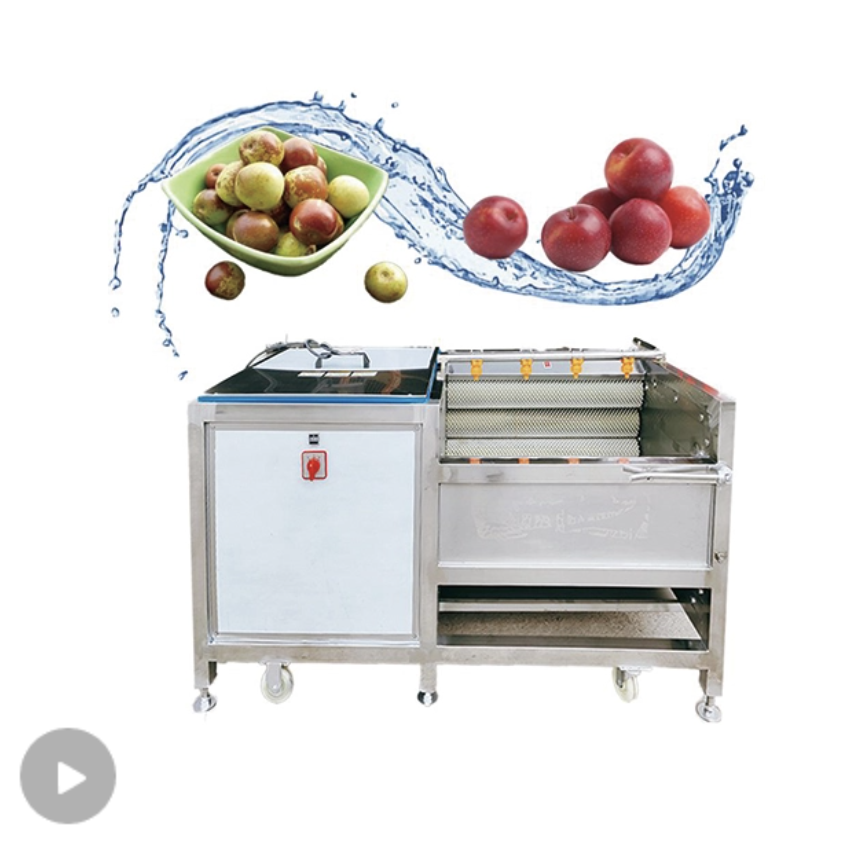
What is Industrial Food Processing Equipment?
Industrial food processing equipment refers to machinery and tools used to transform raw ingredients into finished food products efficiently and safely. This category encompasses a wide range of equipment, including mixers, blenders, slicers, ovens, fryers, portioning machines, and packaging lines. These tools can vary from small-scale commercial kitchen tools for limited production to large-scale industrial food machinery capable of handling thousands of units per hour.
Modern equipment often incorporates advanced food processing technology such as programmable logic controllers (PLCs), temperature monitoring, and automated portioning systems. These technologies help maintain consistent product quality, minimize human error, and enhance operational efficiency. Equipment also varies depending on the type of food being produced, whether baked goods, snacks, dairy products, or frozen meals. Choosing equipment requires understanding your current production volume, desired level of automation, and compliance requirements, ensuring machinery aligns with both immediate needs and future growth.
Why Choose Industrial Food Processing Equipment?
Choosing the right industrial food processing equipment provides significant operational, financial, and quality advantages. Automated machinery reduces manual labor and speeds up production cycles, allowing staff to focus on quality control and product innovation. Consistency is critical in the food industry, and precise machinery ensures uniform product size, texture, and flavor across batches, enhancing brand reputation.
Beyond efficiency, equipment designed for hygiene and food safety reduces contamination risks. Modern machinery features stainless steel construction, smooth surfaces, and CIP (clean-in-place) capabilities, enabling quick cleaning while maintaining strict food safety standards. Additionally, investing in durable, energy-efficient industrial food machinery reduces operating costs over time. Companies that select the right suppliers and technology can scale production, meet regulatory requirements, and achieve higher profitability. The choice of equipment is therefore not just a technical decision but a strategic business investment that supports long-term growth and operational excellence.
Key Features of Industrial Food Processing Equipment
Automation and Technology Integration
Automation is a defining feature of modern industrial food machinery. Automated systems streamline repetitive tasks such as mixing, cutting, portioning, and packaging, ensuring uniform output while reducing labor costs. PLCs, sensors, and software interfaces allow precise control over production variables such as temperature, mixing speed, and ingredient ratios. Some advanced systems integrate IoT technology, enabling real-time monitoring, predictive maintenance, and remote troubleshooting.
Automation increases operational efficiency and reduces human error, particularly in high-volume production lines. For example, automated portioning systems guarantee consistent weight and size for snack products, while integrated software can track ingredient usage and minimize waste. Businesses investing in automation gain a competitive advantage by producing higher-quality food consistently while freeing staff for more strategic tasks, such as innovation and quality assurance.
Hygiene and Food Safety Compliance
Industrial food processing equipment must meet stringent hygiene and safety standards to protect consumers and comply with regulations. Machines constructed from stainless steel with smooth, non-porous surfaces prevent bacterial growth. Components that are easy to dismantle or compatible with CIP systems simplify cleaning, reducing downtime and maintaining a high level of sanitation.
Certifications like NSF, ISO 22000, and HACCP compliance demonstrate that equipment meets international safety standards. Choosing certified machinery ensures the food remains safe from contamination, reduces the risk of product recalls, and protects brand reputation. Properly designed machinery also minimizes cross-contamination risks when producing multiple product types, which is critical for commercial kitchens, catering services, and large-scale food manufacturers.
Energy Efficiency and Sustainability
Energy-efficient machinery offers long-term operational cost savings while supporting environmental sustainability. Equipment with optimized motors, heat recovery systems, and insulated components can reduce electricity and fuel consumption significantly. Sustainable designs may also include water-saving mechanisms, minimal waste generation, and recyclable materials.
Beyond reducing costs, investing in green technology aligns with consumer expectations and regulatory trends. Eco-conscious customers increasingly prefer brands that adopt sustainable practices. Energy-efficient and environmentally friendly industrial food machinery enhances brand image while providing tangible cost benefits. Businesses can track energy consumption to identify opportunities for further savings, improving both profitability and corporate responsibility.
Flexibility and Modularity
Flexible, modular equipment allows food businesses to adapt quickly to changing production needs. Modular systems can be expanded or reconfigured without purchasing entirely new machinery, providing cost-effective scalability. This is especially beneficial for seasonal products or limited-edition items, where production demands fluctuate.
Commercial kitchen tools that serve multiple functions, such as multi-speed mixers or adjustable slicers, reduce the need for separate machines. Flexibility ensures the machinery remains valuable even as product lines evolve, extending its usable life and maximizing return on investment. By selecting equipment that balances versatility and reliability, businesses can respond to market changes without incurring significant capital expenditures.
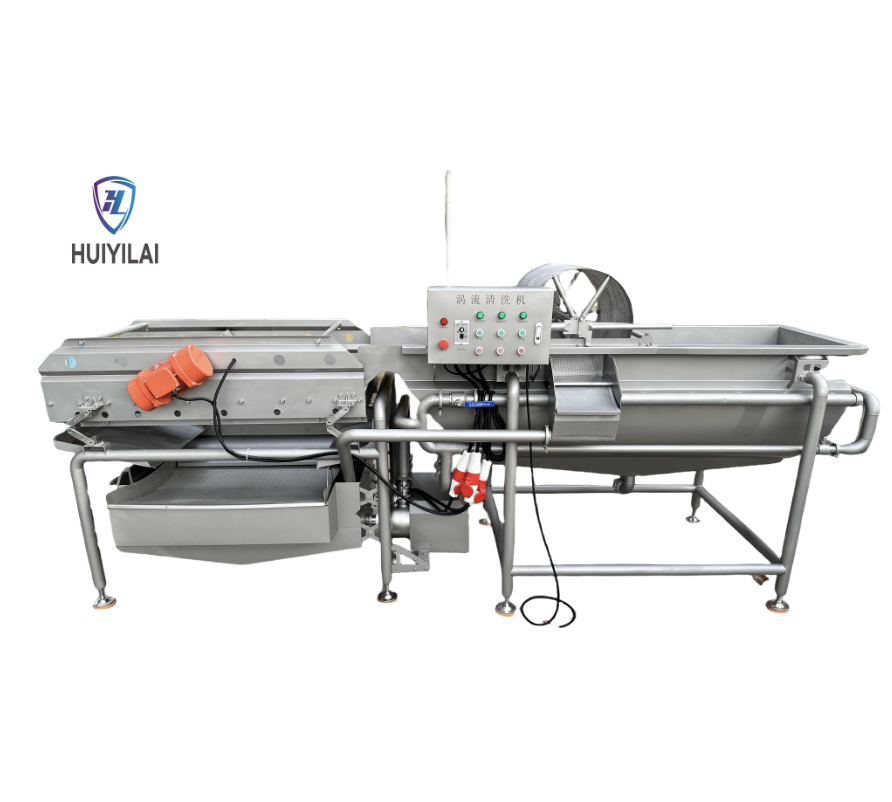
Applications in the Food Industry
Industrial food processing equipment is used in multiple sectors, each with specific machinery requirements. In snack production, automated fryers, seasoning applicators, and portioning lines ensure uniformity and high output while maintaining safety standards. Dairy processing relies on pasteurizers, homogenizers, and mixers to achieve consistent taste and texture.
Bakeries and confectioneries use mixers, ovens, and depositor machines to produce uniform products at high volume, while frozen and prepared food manufacturers rely on blast freezers, portioning machines, and automated packaging lines to extend shelf life and maintain quality. Even smaller commercial kitchens can implement scaled-down versions of industrial equipment, combining versatility with cost efficiency.
By understanding the specific applications and production requirements, businesses can select the right combination of machinery to optimize output, ensure food safety, and maintain product quality. Properly matched equipment improves workflow, reduces labor demands, and supports brand reputation across all food categories.
How to Choose the Right Industrial Food Processing Equipment
Choosing the right equipment requires a structured approach:
Assess Production Needs: Determine current and projected volumes, product variety, and batch sizes. Decide between continuous or batch processing systems.
Research Suppliers: Identify reputable food equipment suppliers offering reliable industrial food machinery. Evaluate track record, support services, and references.
Compare Features and Technology: Prioritize automation, hygiene, energy efficiency, and modularity. Ensure these features align with production goals.
Budget and ROI: Balance initial investment with operational savings. Energy-efficient and durable equipment typically delivers higher long-term returns.
Testing and Demonstrations: Request equipment demos or trial runs to verify performance and suitability for specific products.
Maintenance and Support: Confirm the availability of spare parts, technical support, and training programs to maximize uptime and lifespan.
Following these steps ensures businesses select equipment that not only meets immediate operational requirements but also supports growth, innovation, and long-term efficiency.
Conclusion
Industrial food processing equipment improves efficiency and quality. Automation reduces errors and speeds production. Proper hygiene and modularity ensure safety and flexibility. Energy-saving machines lower costs and support sustainability.
Shandong Huiyilai International Trade Co., Ltd. offers reliable equipment. Their machines integrate advanced technology and easy maintenance. The products enhance productivity and ensure consistent output. Businesses gain value, durability, and long-term efficiency.
FAQ
Q: What types of industrial food processing equipment are essential for new businesses?
A: Essential machinery includes mixers, slicers, ovens, fryers, portioning systems, and packaging machines. Smaller commercial kitchen tools support limited production lines, allowing gradual scaling as demand grows.
Q: How do I ensure the equipment is food-safe?
A: Choose stainless steel construction, smooth surfaces, CIP compatibility, and certifications like NSF, ISO 22000, or HACCP. These features guarantee compliance with hygiene and safety standards.
Q: Can automation reduce labor costs?
A: Yes. Automated industrial food machinery handles repetitive tasks efficiently, minimizing human error and reducing labor costs by up to 40% in high-volume operations.
Q: Should I buy from local or international suppliers?
A: Local suppliers offer faster support and easier logistics, while international suppliers may provide advanced technology. Evaluate based on service quality, equipment features, and total cost of ownership.
Q: How do I evaluate ROI for industrial food processing equipment?
A: Consider energy efficiency, durability, maintenance costs, and throughput. High upfront investment often results in significant long-term savings and improved production consistency.


