In the fast-paced food industry, the demand for large-scale production without compromising on quality is ever-growing. Investing in industrial food processing equipment plays a pivotal role in achieving these goals. While the decision to purchase such equipment can significantly boost production efficiency and product consistency, it's essential to understand the costs that go beyond the initial purchase price. This article will explore the hidden costs involved, highlight key features of modern equipment, and guide you in choosing the right machinery for your business.
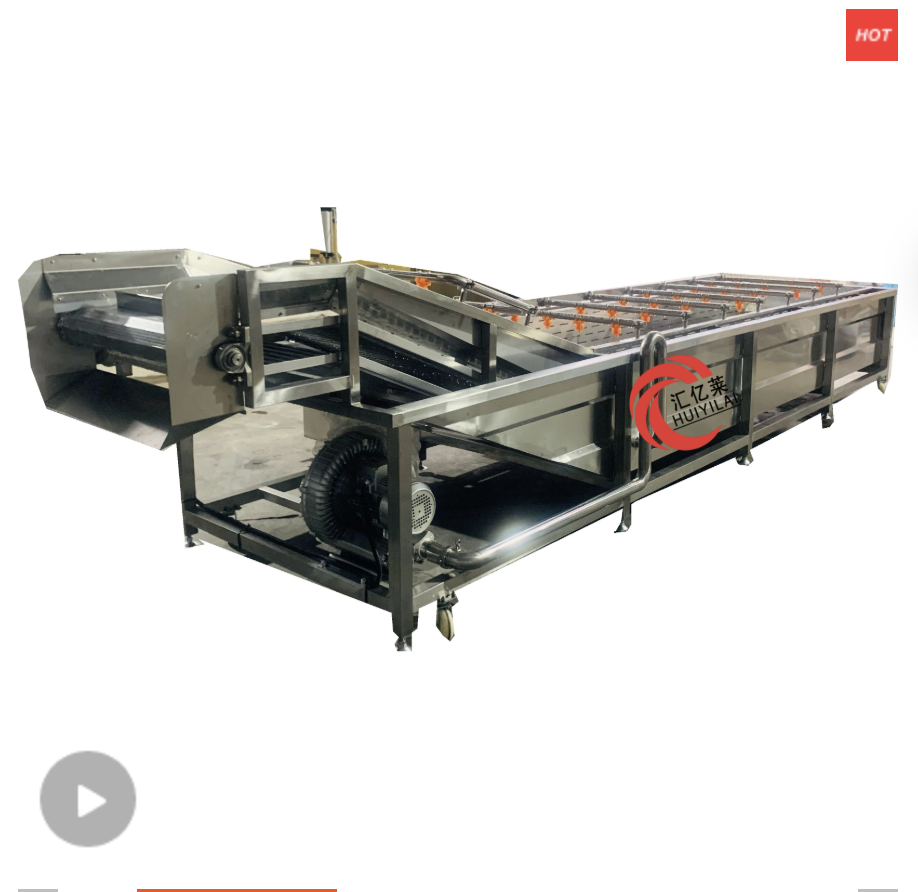
What is Industrial Food Processing Equipment?
Industrial food processing equipment refers to the specialized machinery designed for the mass production of food products. These machines perform various functions such as mixing, heating, cooling, packaging, and more. Whether you’re in the meat, dairy, bakery, or beverage sector, having the right equipment ensures consistency in product quality, high throughput, and minimal waste.
The machinery used in food processing can range from simple tools like manual mixers to highly complex automated systems that integrate robotics, sensors, and real-time monitoring. These machines are built to handle large volumes of raw materials and transform them into finished products, all while adhering to strict food safety standards.
For example, in meat processing, grinders, slicers, and mixers are used to prepare and process the meat, whereas in the beverage industry, filtration systems, bottling lines, and carbonation equipment ensure the final product is both consistent and safe for consumption.
Why Choose Industrial Food Processing Equipment?
Increased Efficiency and Productivity
One of the most compelling reasons to invest in industrial food processing equipment is the significant boost in productivity. Automated systems and advanced machinery are designed to handle high volumes of production with minimal human intervention. By automating repetitive tasks such as mixing, sorting, and packaging, businesses can drastically reduce labor costs and increase production speed.
For example, automated packaging systems can seal, label, and package products at a much faster rate than manual labor, ensuring that the final product reaches the market more quickly and efficiently. This increase in throughput can lead to a higher volume of products being processed, resulting in greater profit margins.
Consistent Quality Control
Consistency in product quality is paramount in the food industry, where small variations can result in consumer dissatisfaction and regulatory issues. Industrial food processing equipment ensures that products are produced to the exact specifications every time. Automation helps control variables such as temperature, mixing speed, and cooking time, which directly affect the final product's quality.
With built-in quality control mechanisms, modern equipment can also monitor critical factors such as moisture content, weight, and temperature during processing. This results in products that meet high standards, reducing the chances of defects or spoilage and minimizing the likelihood of product recalls.
Key Features of Industrial Food Processing Equipment
When investing in food industry equipment, it’s important to focus on specific features that contribute to both operational efficiency and long-term cost-effectiveness. Here are two crucial features to consider:
Feature 1: Automation
The shift towards automation in food processing is undeniable. Automated systems allow for the continuous processing of large batches of products without the need for manual labor. This is especially beneficial for large-scale manufacturers that require consistent outputs.
For example, automated sorting systems can classify raw ingredients based on size, shape, and quality, ensuring that only the best ingredients move forward in the production process. In addition to speed and efficiency, automation ensures better consistency, reducing human error and improving the overall quality of the product.
Moreover, automation helps improve worker safety by minimizing the need for employees to perform repetitive, physically demanding tasks. This leads to a healthier workforce and a more streamlined production process.
Feature 2: Energy Efficiency
Energy consumption is one of the largest ongoing costs in food processing. As energy prices continue to rise, energy-efficient equipment can significantly reduce operational expenses. Machines designed to minimize energy usage, such as those with energy-saving motors or heat recovery systems, help food manufacturers lower their overall costs.
In some cases, advanced heat exchangers or energy-efficient ovens can recycle heat within the system, reducing the need for external energy sources. Over time, these energy-saving features pay for themselves through lower utility bills and reduced environmental impact, making them a wise long-term investment.
Applications in the Food Industry
Industrial food processing equipment is used across various sectors of the food industry, each with its unique requirements and machinery needs. Below, we explore some key applications:
Meat Processing
Meat processing involves a wide range of tasks, including grinding, cutting, mixing, and packaging. Specialized equipment such as meat grinders, sausage fillers, and vacuum sealers are essential for ensuring product safety and consistency. Additionally, automated systems can be used for packaging, labeling, and sorting, reducing manual labor and increasing throughput.
In large-scale meat processing plants, efficiency is key. Machines that integrate various processing stages help streamline operations and improve output. For example, an automated meat processing line may handle the entire process from raw material intake to packaging, reducing the risk of contamination and improving production speed.
Bakery Equipment
In the bakery sector, the right equipment can make a huge difference in production efficiency. Dough mixers, proofing cabinets, ovens, and packaging machines are some of the most commonly used equipment in large bakeries. These machines ensure that dough is mixed to the right consistency, baked evenly, and packaged securely for distribution.
High-capacity ovens, such as deck ovens or convection ovens, allow bakers to produce large quantities of goods without sacrificing quality. Furthermore, automated systems can help adjust baking temperatures, ensuring consistency in the finished products. This level of automation significantly reduces the need for manual monitoring and intervention.
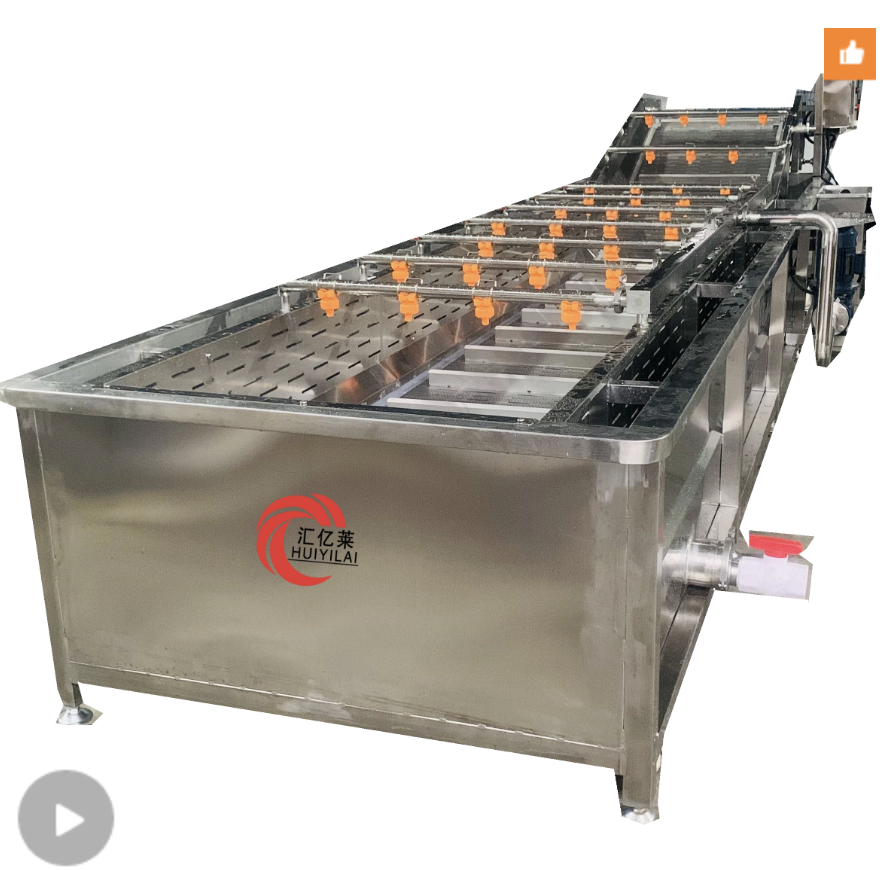
How to Choose the Right Industrial Food Processing Equipment?
Selecting the right food processing equipment involves more than just comparing prices. Here are some important factors to consider when making your decision:
Production Volume and Scalability
The first consideration when choosing equipment is your production volume. Small businesses with lower production needs may opt for semi-automatic machines, while larger enterprises may require fully automated systems. It’s essential to evaluate your current needs as well as future growth potential. Opting for scalable equipment allows you to expand production without replacing your machinery.
For example, a packaging system designed for small-scale operations may not be able to handle the volume needed for larger-scale production. Investing in equipment that can handle future growth will save you the cost of purchasing new machinery down the road.
Maintenance and Reliability
Industrial equipment is a significant investment, and to ensure its longevity and efficiency, regular maintenance is required. Choose equipment from reputable manufacturers who offer strong after-sales support, training, and service contracts. Machines that are easy to maintain will result in less downtime and fewer costly repairs.
It's also essential to understand the machine's lifespan and warranty. Durable equipment with a solid warranty can offer peace of mind, knowing that you’re protected from unexpected expenses. Additionally, consider the availability of replacement parts to avoid delays in repairs.
Quality and Flexibility of Equipment
When choosing industrial food processing equipment, quality and flexibility are key factors that directly affect cost-effectiveness and operational success. High-quality equipment ensures durability, consistent performance, and reduced downtime. Flexibility allows you to adapt to changing production needs and handle various products efficiently.
Material Quality and Durability
The materials used in food processing equipment must resist corrosion, wear, and contamination. Stainless steel, especially grades 316 and 304, is widely preferred for its strength and hygiene properties. Equipment made from high-grade materials lasts longer and requires less maintenance, reducing long-term costs. Durable machines withstand harsh cleaning processes and continuous use, which is common in food production environments.
For example, a mixer built with 316 stainless steel parts will better resist acids and cleaning chemicals than one made from lower-quality metals. This means fewer repairs and less downtime, ultimately saving money.
Flexibility in Handling Different Products
Food manufacturers often need equipment that can process multiple product types or recipes. Flexible machines allow quick changeovers between products, minimizing downtime and boosting productivity. This flexibility is vital for businesses that produce seasonal items or want to expand their product lines without investing in new machinery.
Some equipment features that enhance flexibility include adjustable speed settings, interchangeable parts, and programmable controls. For instance, a slicer that can adjust thickness easily or a mixer that handles both liquid and solid ingredients adds significant value.
Quality Control Features
Modern food processing equipment often includes built-in quality control systems. Sensors and automated inspection technologies monitor parameters such as temperature, weight, moisture, and consistency in real time. These features help maintain product standards and detect deviations early, reducing waste and recalls.
Automated quality checks also improve traceability, which is essential for compliance with food safety regulations. For example, a packaging machine with integrated weight sensors can reject underfilled packages instantly, ensuring every product meets specifications.
Tip: Choose equipment made from high-grade materials that offer flexibility and include quality control features to maximize durability, adapt to product changes, and maintain consistent output.
Conclusion
Understanding the costs of industrial food processing equipment involves evaluating purchase price, installation, and maintenance. Future trends emphasize sustainability and automation. Shandong Huiyilai International Trade Co., Ltd. offers equipment that balances cost with advanced features, ensuring long-term value and efficiency.
FAQ
Q: What are the main costs associated with industrial food processing equipment?
A: The main costs include the initial purchase price, installation and setup costs, and ongoing maintenance and repair expenses.
Q: How does the complexity of industrial food processing equipment affect its cost?
A: Complex equipment with advanced features requires precision engineering and control systems, which increases the cost compared to simpler machines.
Q: Why is manufacturer expertise important in choosing industrial food processing equipment?
A: Manufacturer expertise ensures proper equipment selection, compliance with safety standards, and provides training and technical support for smooth operations.
Q: How can automation in industrial food processing equipment benefit productivity?
A: Automation reduces human error, ensures consistent product quality, and allows real-time monitoring and control, boosting productivity and efficiency.


