Introduction
In today's fast-paced food production industry, efficiency and consistency are key. Industrial food processing equipment plays a vital role in ensuring that food products are made with precision, quality, and safety. Whether it’s mixing, cooling, or packaging, these machines are the backbone of mass production, helping manufacturers meet consumer demand while maintaining high standards. In this article, we’ll explore the different types of industrial food processing equipment, their benefits, and how to choose the right equipment for your production line.
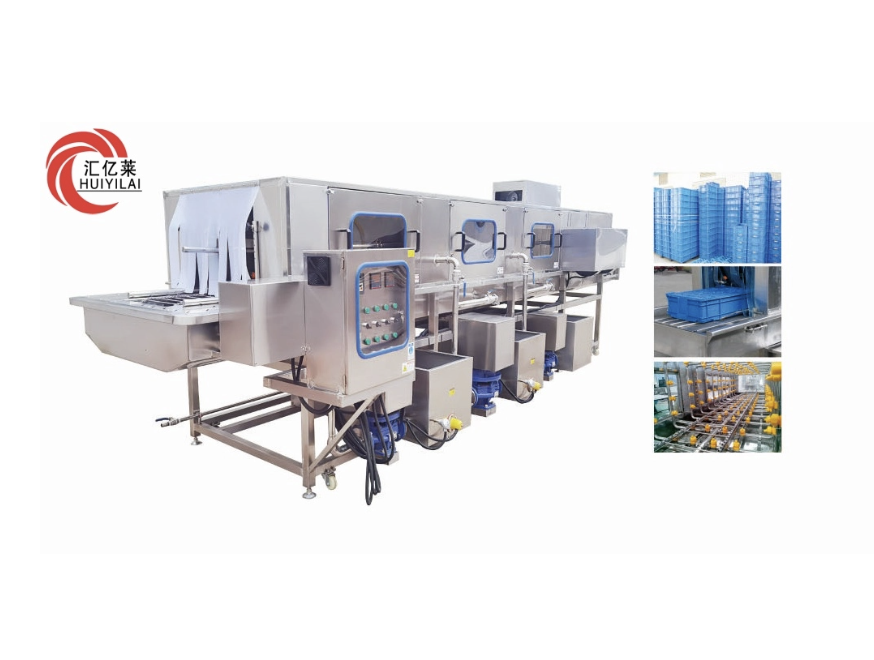
What is Industrial Food Processing Equipment?
Industrial food processing equipment refers to a variety of machines used in the food manufacturing process to perform tasks like mixing, blending, homogenizing, separating, heating, cooling, and packaging food products. These machines are essential for achieving large-scale production while maintaining quality and consistency. From mixers that blend ingredients to heat exchangers that pasteurize products, each piece of equipment has a specific function that helps streamline food production.
Why Choose Industrial Food Processing Equipment?
The main reason to choose industrial food processing equipment is the ability to scale production without sacrificing quality. These machines help food manufacturers produce large quantities of products efficiently, ensuring uniformity and high standards. They also improve food safety by controlling critical processes like temperature, mixing, and separation, which reduces the risk of contamination. Additionally, industrial equipment can automate tasks that would otherwise be labor-intensive, reducing overhead costs and increasing throughput.
Key Features of Industrial Food Processing Equipment
Feature 1: Efficiency
One of the most important features of industrial food processing equipment is its efficiency. These machines are designed to handle large volumes of food products while minimizing downtime. Whether it's mixing ingredients or packaging finished goods, efficient machines reduce processing times and labor costs, allowing businesses to meet production targets.
Feature 2: Versatility
Industrial food processing equipment is highly versatile, with many machines designed to handle a wide range of food products. For example, mixers can be used for everything from dough to smoothies, and heat exchangers can process everything from soups to dairy products. This flexibility ensures that businesses can adapt their production lines to changing market demands without investing in new equipment.
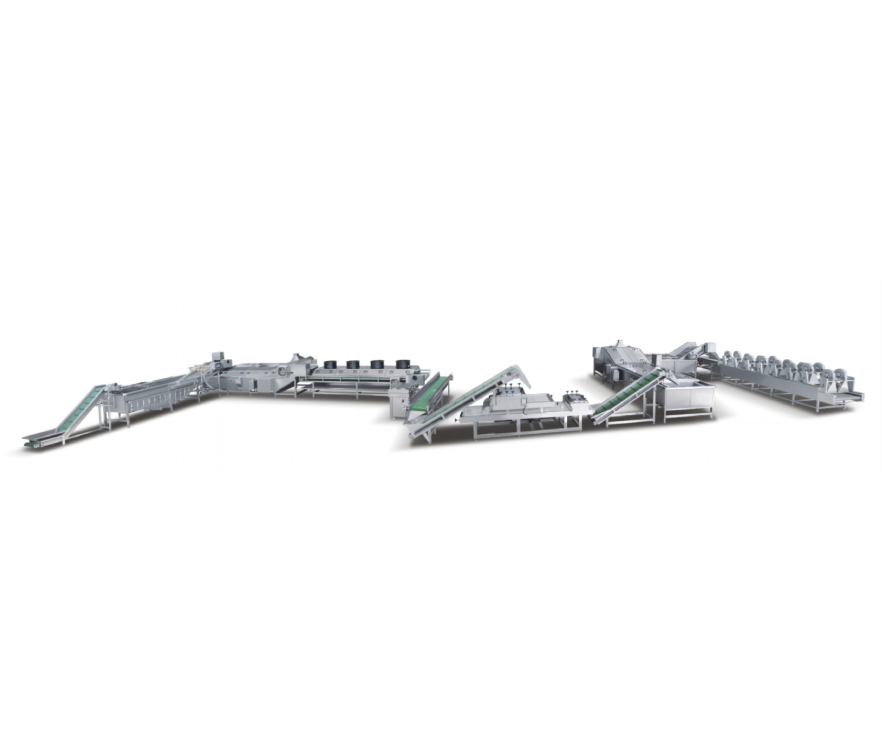
Applications in Food Processing
Industrial food processing equipment is used across various sectors of the food industry, including:
Dairy: Machines like homogenizers and separators are essential for milk processing, ensuring consistent texture and preventing separation in products like milk, cream, and yogurt.
Beverages: Blenders and mixers are used to produce smooth and consistent juices, smoothies, and other liquid beverages.
Baking: Mixers and dough handling equipment are critical in baking operations, ensuring that dough is mixed uniformly and efficiently.
Frozen Foods: Freezing and cooling equipment, such as blast freezers and spiral freezers, preserve the freshness and quality of products like frozen vegetables, meat, and baked goods.
Snacks and Confectionery: Packaging machines are used to seal and protect snack foods and confectioneries, extending their shelf life and ensuring they reach consumers in perfect condition.
How to Choose the Right Food Processing Equipment?
Choosing the right industrial food processing equipment involves several factors:
Production Needs: Consider your production volume and the type of food products you are manufacturing. Some equipment is designed for high-throughput production, while others are more suited to small-batch processing.
Space and Layout: Make sure that the equipment you choose fits your facility’s available space. Equipment like spiral freezers and packaging machines can vary in size and configuration.
Energy Efficiency: Energy consumption is a key factor in long-term cost savings. Look for machines that have energy-efficient designs and minimize waste.
Ease of Cleaning and Maintenance: Food processing equipment must meet stringent hygiene standards. Choose machines that are easy to clean and maintain, helping to prevent contamination and reduce downtime.
Integration with Existing Systems: Ensure that your new equipment can integrate seamlessly with your current production line for smoother operations and minimal disruption.
Freezers and Coolers
Importance in Food Preservation
Freezers and coolers are essential in industrial food processing. They preserve food quality by slowing down microbial growth and chemical reactions that cause spoilage. Proper chilling or freezing maintains taste, texture, and nutritional value, extending shelf life and reducing waste. These units also ensure food safety by keeping products at temperatures that inhibit harmful bacteria. For industries like meat, dairy, seafood, and prepared meals, reliable freezing and cooling are critical for meeting regulatory standards and consumer expectations.
Types of Freezing Technologies
Several freezing technologies suit different food types and production scales:
Blast Freezers: Use powerful cold air blasts to freeze products rapidly. Ideal for small to medium-sized items like seafood, baked goods, or ready meals. Quick freezing prevents large ice crystals, preserving texture and flavor.
Spiral Freezers: Products move on a spiral conveyor through a cold chamber. This design maximizes space and is efficient for high-volume production of small items like snacks, vegetables, or bakery products.
Tunnel Freezers: Products pass through a tunnel where cold air freezes them. Suitable for a wide range of products and capacities, offering consistent freezing rates.
Plate Freezers: Food products are placed between refrigerated plates. This method is excellent for flat or block-shaped items such as fish fillets or meat blocks, providing fast and uniform freezing.
Cryogenic Freezing: Uses liquid nitrogen or carbon dioxide for ultra-rapid freezing. It preserves delicate textures and is often used for premium or sensitive products.
Choosing the Right Equipment
Selecting the right freezer or cooler depends on several factors:
Product Type and Size: Consider shape, moisture content, and sensitivity to freezing. For example, delicate fruits may benefit from cryogenic freezing, while bulk meat suits plate freezers.
Production Volume: High-volume operations often prefer spiral or tunnel freezers for continuous processing, while batch production might use blast or plate freezers.
Space Availability: Spiral freezers save floor space, while tunnel freezers require longer setups. Assess your facility’s layout before deciding.
Energy Efficiency: Freezing consumes significant energy. Choose equipment with efficient insulation, variable speed fans, and smart controls to reduce costs.
Maintenance and Cleaning: Easy-to-clean designs minimize downtime and contamination risks. Stainless steel construction is common for hygiene and durability.
Integration with Production Line: Ensure the freezer or cooler fits seamlessly into your workflow for smooth operation and minimal handling.
By carefully evaluating these factors, food processors can optimize preservation, maintain product quality, and improve operational efficiency.
Tip: Opt for freezers and coolers that offer adjustable temperature controls and rapid freezing capabilities to protect product integrity and meet diverse processing needs.
Packaging Machines
Types of Packaging Equipment
Packaging machines come in many forms, each designed to protect food products and extend their shelf life. Common types include:
Vacuum Sealers: Remove air from packaging to prevent oxidation and spoilage. Ideal for meats, cheeses, and ready meals.
Form-Fill-Seal (FFS) Machines: Automatically form packages, fill them with product, and seal them. Widely used for snacks, powders, and liquids.
Shrink Wrappers: Wrap products in plastic film that shrinks tightly when heated, providing a secure and tamper-evident seal.
Flow Wrappers: Encase items in continuous film, sealing them individually or in groups. Suitable for bakery products, confectionery, and fresh produce.
Tray Sealers: Seal food in trays with film or lids, often used for fresh meat, ready meals, and fresh-cut produce.
Blister Packaging Machines: Create pre-formed plastic cavities sealed with foil or film, common for small items like pills or candies.
Cartoning Machines: Automate the packing of products into cartons or boxes, enhancing presentation and protection.
Labeling Machines: Apply labels accurately and quickly to packages for branding, nutritional info, and traceability.
Role in Food Safety and Shelf Life
Packaging machines play a critical role in maintaining food safety and prolonging shelf life. They create barriers against contaminants such as bacteria, moisture, and oxygen, which cause spoilage. Vacuum and modified atmosphere packaging (MAP) techniques reduce oxygen levels, slowing microbial growth and oxidation. Proper sealing prevents leaks and cross-contamination during transport and storage.
Packaging also ensures compliance with food safety regulations by providing tamper-evident seals and traceability through labeling. This helps manufacturers recall products swiftly if needed and builds consumer trust. Additionally, packaging machines help maintain product freshness, flavor, and texture, which directly influences customer satisfaction.
Trends in Packaging Technologies
The food industry is evolving rapidly, and packaging machines are adapting to new demands:
Sustainability Focus: Machines now support recyclable, biodegradable, or reduced-plastic materials. Eco-friendly packaging reduces environmental impact and meets consumer expectations.
Automation and Integration: Advanced machines integrate with production lines and use robotics for faster, more accurate packaging. Automation reduces human error and labor costs.
Smart Packaging: Technologies like QR codes, RFID tags, and sensors are incorporated to provide real-time product information, enhance traceability, and monitor freshness.
Flexible Packaging: Lightweight, easy-to-open packages improve convenience and reduce material use, appealing to busy consumers.
High-Speed and Multi-Function Machines: Equipment capable of handling multiple packaging styles or products increases versatility and efficiency.
These innovations help manufacturers stay competitive while addressing sustainability and consumer trends.
Tip: Choose packaging machines that offer flexibility for various package types and materials, enabling quick adaptation to market changes and sustainability goals.
Conclusion
Industrial food processing equipment, like mixers, homogenizers, and separators, enhance production efficiency and product quality. Heat exchangers, freezers, and packaging machines ensure food safety and shelf life. The future of this equipment includes energy-efficient and sustainable designs, meeting evolving industry demands. When selecting equipment, consider product compatibility and operational needs to optimize performance. Shandong Huiyilai International Trade Co., Ltd. offers innovative solutions, delivering exceptional value through advanced features and comprehensive services, ensuring your food processing operations are efficient and reliable.
FAQ
Q: What is industrial food processing equipment?
A: Industrial food processing equipment refers to machines used in the production and preparation of food products, including mixers, blenders, homogenizers, separators, heat exchangers, freezers, coolers, and packaging machines.
Q: How do homogenizers benefit industrial food processing?
A: Homogenizers in industrial food processing improve texture and consistency, enhance stability, better taste and appearance, increase yield, and handle a variety of liquids, ensuring high-quality products.
Q: Why are separators important in industrial food processing?
A: Separators are crucial in industrial food processing as they improve product quality, increase yield, enhance energy efficiency, reduce waste, and integrate with automated production lines.


