
Views: 0 Author: Site Editor Publish Time: 2025-12-03 Origin: Site


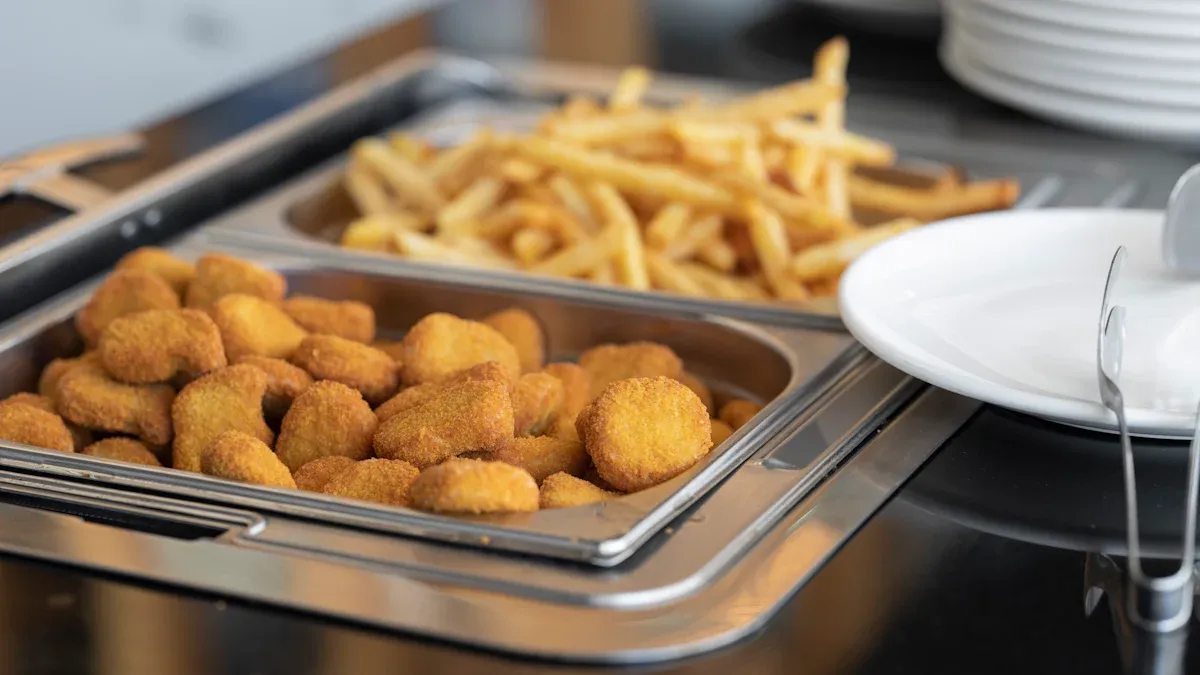
You can watch how a nugget frying line changes raw chicken into food you can eat. It does this fast and with great care. Automation helps you sort, grade, and shape chicken very quickly.
“This can put many steps together at the plant. It takes all the trim and good cuts. It sorts and grades them very fast,” said Darrel Bolman, account manager, Laitram Machinery.
Modern machines use AI to look at each piece’s size and shape.
Doing things by hand can waste up to 35% of good chicken.
Automation saves lost nuggets and can add up to $4.5 million in value every year.
Automation helps nugget production go faster and makes less waste. This can save up to $4.5 million every year.
Nuggets need to be the same shape for even cooking. They also look better when shaped the same. Forming machines help keep nuggets uniform.
Quality control checks are important during cooking. These checks make sure nuggets are safe and taste good. Workers watch the texture, color, and moisture.
IQF freezing keeps nuggets tasting good and keeps their texture. This lets nuggets stay fresh longer without losing quality.
Workers must follow strict cleaning rules and safety steps. This keeps everyone safe and the production line clean.
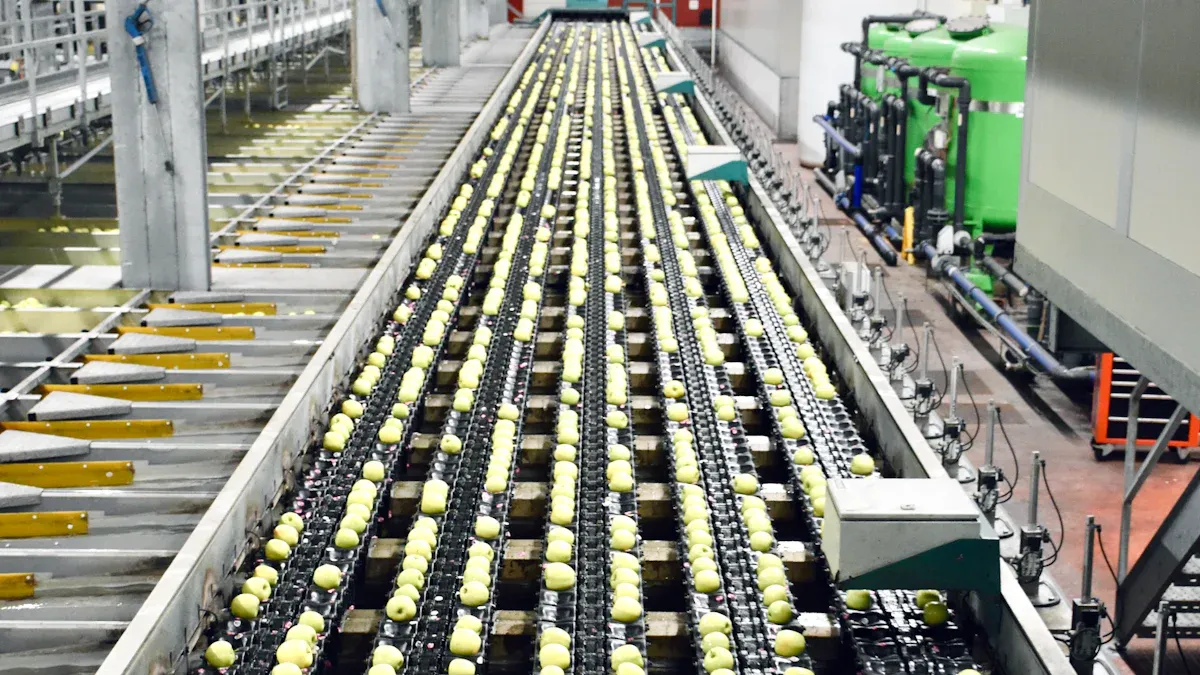
A chicken nugget processing line has many steps. Each step uses a special machine to help make nuggets. The process starts with raw chicken and ends with finished nuggets. Here is a table that lists each stage and the machine used:
Stage |
Equipment Used |
|---|---|
Forming |
Patty Forming Machine |
Flouring Coating |
Diving-Type Batter Coating Machine |
Batter Coating |
Rotary-Type Flour Coating Machine |
Frying |
Continuous Frying Machine |
Conveying |
Steel Conveyor |
Cooling |
Pre Cooling Machine |
Freezing |
IQF (Tunnel type and Spiral type) |
First, you get the chicken ready. You trim, grind, and mix it with seasonings. Then, you use a forming machine to shape the nuggets. Next, you coat the nuggets with flour, batter, and breading. After coating, you fry the nuggets in a frying machine. The nuggets are cooled and frozen to keep them fresh. At the end, you pack the nuggets so they can be shipped.
Tip: Every step helps keep the nuggets safe, tasty, and ready for people to eat.
Automation makes the line work faster and better. Machines do most of the work, so people do not have to do much by hand. This helps make more nuggets and keeps them all the same size and shape.
Here are some important automation technologies you might find:
Automation Technology |
Description |
|---|---|
Nugget Frying Machine |
Makes sure nuggets are cooked well and fast. |
Automatic Lifting System |
Lifts covers and belts to help with cleaning. |
Side Scraping System |
Cleans off extra bits to keep things tidy. |
Frequency Conversion Speed Regulation |
Lets you change frying time for better nuggets. |
Food-Grade Stainless Steel Construction |
Keeps machines safe and easy to clean. |
Heating System |
Uses energy well for even cooking. |
Using these systems helps you make more nuggets with less work. It also saves money and makes the line safer for workers. Automation helps you make good nuggets every time and meet big orders.
You begin with fresh chicken. Workers cut off bones, skin, and fat. Machines chop the chicken into tiny pieces. You add salt, spices, and other things. Mixing helps the chicken taste and feel right. A big mixer blends everything together. The chicken mix should be smooth and sticky. This helps it keep its shape. You check the mix to make sure it is good. If it passes, you move to the next step.
Tip: Keep the chicken cold while mixing. Cold chicken stays safe and fresh.
A forming machine shapes the chicken mix into nuggets. You put the chicken blend into the feeding hopper. The mold plate lets you pick nugget shapes. The hydraulic system sets the pressure and speed. This makes sure nuggets form the right way. The conveyor belt carries the nuggets to the next step.
Here is a table that lists common forming machines and how they work:
Type of Machine |
Control Method |
Speed |
Maintenance |
Precision |
Best For |
|---|---|---|---|---|---|
Pneumatic Machine |
Air pressure |
Faster cycle time |
Low |
Medium |
Small/medium factories |
Hydraulic Machine |
Oil pressure |
Slower but stronger |
Higher |
High |
Heavy-duty production |
You pick a machine that fits your needs. Pneumatic machines are good for small batches. Hydraulic machines work for big jobs and make strong shapes.
You want every nugget to look the same. Nugget-forming machines help keep size and shape even. You can make classic nuggets or special shapes. Change the molds to make triangles, rectangles, circles, or hearts.
Nugget-forming machines keep nugget size the same.
You can make many shapes by changing molds.
Even nuggets cook better and look nice in packages.
Consistency is important when making nuggets. Uniform shapes help nuggets fry evenly and look good.
You begin by putting flour or crumbs on each nugget. This thin layer helps the next coating stick better. It also keeps the flavor inside the nugget. The flour soaks up water from the chicken. This makes the coating stay on tight. You want the nugget to be damp, not wet. This helps the flour or crumbs stick well. It also gives a good base for flavor.
You use things like starch, protein, or gums for pre-dusting. Wheat flour is best for most nuggets.
Dried egg albumin helps nuggets look good and gives more yield.
Getting the surface ready is very important. If you do it right, the flavor stays strong and the coating does not fall off.
Tip: Always check if the nugget is too wet before adding flour. This helps you get the best taste and texture.
After pre-dusting, you dip nuggets in batter. The batter adds flavor and helps breading stick. Many machines use a V-groove design for battering. This design lets batter cover each nugget evenly. You get a smooth coat that keeps flavor in every bite. The V-groove stops batter from gathering in one spot. This means you do not get soggy parts.
You can change how thick the batter is. Thicker batter gives more crunch and flavor. Thinner batter lets you taste more chicken. You control speed and pressure to make sure each nugget gets the same amount of batter.
The breading machine puts crumbs or flakes on each nugget. You want the breading to stick well and taste good. Good breading machines use different ways to keep production high and flavor the same.
Metric |
Description |
Impact on Efficiency |
|---|---|---|
Batch Size Optimization |
You look at batch sizes to make more nuggets. |
20% more nuggets made. |
Quality Control Automation |
Machines check for bad nuggets. |
25% fewer bad nuggets. |
Energy Efficiency Programs |
Machines save energy and lower costs. |
10% less money spent on energy. |
Supply Chain Optimization |
Better suppliers help make nuggets faster. |
20% faster production times. |
Flexible Manufacturing Systems |
You can change flavors and shapes quickly. |
You respond faster to what people want. |
Customer Feedback Integration |
You use feedback to make nuggets taste better. |
More people buy and enjoy nuggets. |
You can change breading to match the flavor you want. Some machines let you pick spicy, cheesy, or classic flavors fast. You keep breading even so every nugget tastes the same. Good machines help you fill big orders and keep flavor high.
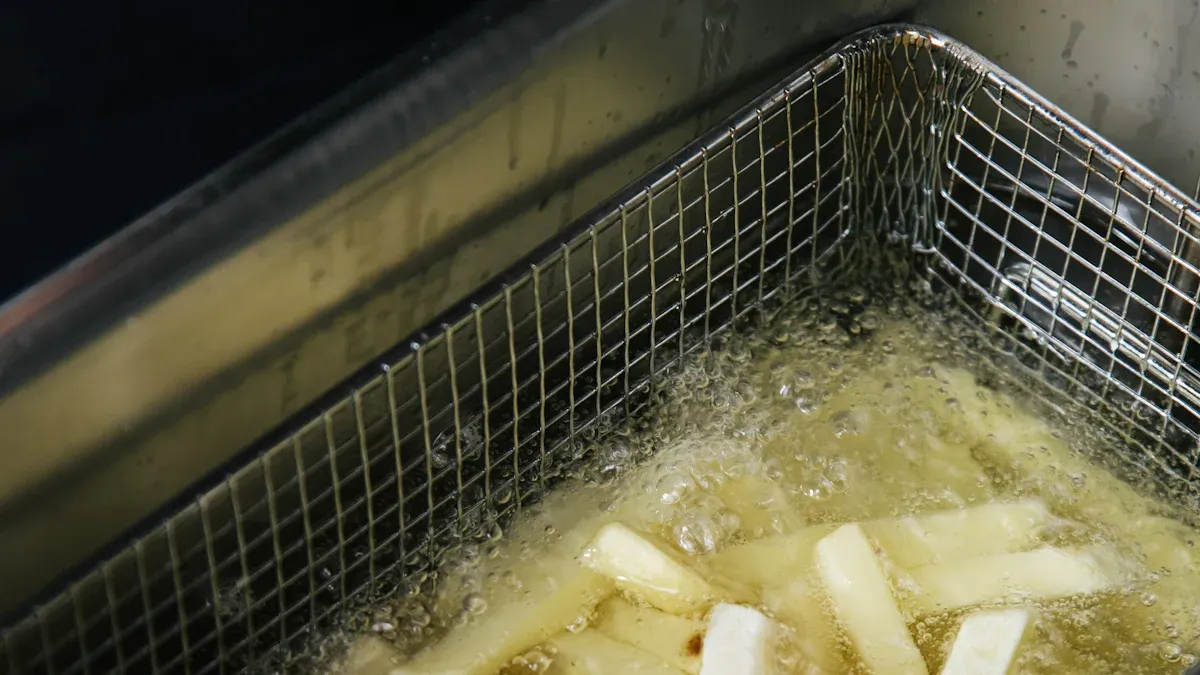
The conveyor and mesh belt systems are very important. These machines move chicken nuggets through each cooking step. Mesh belt conveyors help fry more nuggets faster. The double mesh belt design keeps nuggets from floating up. This makes sure every nugget cooks the same way. You can change the height of the top mesh belt. This helps fit nuggets of different thicknesses. Speed control lets you change how fast the conveyor moves. This helps you set the right cooking time for each batch.
Mesh belt conveyors make frying faster and easier.
Double mesh belts keep nuggets under oil for even cooking.
You can adjust belt height for different nugget sizes.
Speed control helps you change frying time and how many nuggets you make.
Wind knives and fan dryers help remove oil and cool nuggets quickly.
These systems help the nugget line work well. You can make lots of nuggets and keep them all the same quality.
You need to watch oil closely when cooking and frying. Oil temperature and quality change how nuggets taste and feel. Continuous fryer machines keep oil at the right heat. You watch how heat moves through nuggets. This helps cook nuggets fast and keep them moist. You pick oil types that work well with heat. Some oils help nuggets stay crispy and moist. You check color, oil amount, and texture while frying.
Frying Parameter |
Effect |
|---|---|
Temperature |
Higher heat makes nuggets crispy and keeps moisture inside. |
Heat Transfer |
Heat moves through nuggets for even cooking. |
Quality Attributes |
You keep flavor, crispy crust, and moist center. |
Aspect |
Findings |
|---|---|
Oil Type |
You pick oils that stay good longer for better nuggets. |
Quality Characteristics |
You watch for changes in color, oil, moisture, and texture. |
Importance of Knowledge |
You learn about oil breakdown to keep nuggets tasting good. |
Parameter |
Description |
|---|---|
Frying Method |
Deep fat frying means nuggets go into hot oil to cook fast. |
Structural Differences |
The crust and center of nuggets feel different after frying. |
Coating Effects |
Coatings help keep moisture in and make the crust crunchy. |
Oil and water mix technology helps frying work better. You save energy and spend less money. Electric fryers use less energy and need less fixing. Gas fryers cost less if gas is cheap, but electric fryers give better control and safety. You check energy use and costs to pick the best fryer for your nugget line.
Gas fryers use less energy if gas is cheap.
Electric fryers work faster and need less fixing.
You compare costs and energy use to pick the best fryer.
You want every nugget to taste good and look nice. You use quality checks during cooking and frying. You check texture, color, moisture, and oil. Texture tests measure hardness, springiness, and chewiness. Color tests show how nuggets change while frying. You watch moisture loss and oil gain to keep nuggets crispy but not greasy.
Quality Control Measure |
Description |
|---|---|
Texture Profile Analysis |
You measure hardness, springiness, and chewiness with a texture analyzer. |
Color Analysis |
You check color at different frying steps using a color meter. |
Moisture Loss and Oil Uptake |
You watch moisture and oil at different frying heats and times. |
These checks help every nugget meet your standards. You keep the nugget line working fast. Modern lines can make 100 to 3,000 kilograms of nuggets every hour.
Source |
Production Capacity (kg/h) |
|---|---|
Heavy Duty Scale Chicken Nugget Production Line |
300 |
Mini Chicken Patty Nuggets Processing Line |
100 - 300 |
Automatic Chicken Nuggets Frying Production Line High Output |
800 - 1500 |
Automatic Chicken Nuggets Frying Line |
500 - 600 |
Chicken Nugget Production Line |
800 - 3000 |
Automation and quality checks keep nuggets safe and tasty. You use the nugget frying line to get the same results every time. You make sure cooking and frying work together for the best nuggets.
Tip: Always check your cooking and frying controls. This keeps nuggets crispy and moist. Good checks help you waste less and keep customers happy.
After frying, you need to remove extra oil from the chicken. Place the hot chicken on a plate lined with paper towels or napkins. The towels soak up the oil and help the chicken cool. You can also use a wire rack set inside a baking sheet. This lets air move around the chicken and helps it cool faster. Air cooling keeps the chicken from getting soggy. It also helps keep the coating crisp. You want the chicken to reach a safe temperature before the next step.
Tip: Always let the chicken cool and drain well. This step helps keep the texture just right and prepares the chicken for freezing.
Once the chicken cools, you use IQF technology to freeze it. IQF stands for Individual Quick Freezing. This method freezes each piece of chicken very fast. Rapid freezing stops large ice crystals from forming inside the chicken. Large crystals can break the cells and make the chicken mushy. With IQF, the chicken keeps its fresh texture and flavor. When you thaw the chicken, it tastes almost like it did before freezing. IQF also helps you store chicken longer without losing quality.
You must check every batch of chicken before packing. These quality control checks help you find any problems and keep the chicken safe to eat. You follow these steps:
Conduct a hazard analysis to find possible dangers in the chicken.
Pinpoint critical control points where you can stop or remove hazards.
Set limits for each control point to keep the chicken safe.
Monitor each control point to make sure it stays within safe limits.
Take action if you find a problem at any step.
Keep records of all checks and actions.
Verify that your plan for ensuring food safety works as planned.
These steps help you deliver chicken that meets high standards. You protect customers and build trust in your product.
You need to keep the chicken nugget line very clean. This helps stop germs and keeps food safe. Cleaning rules help you get rid of bacteria and stop contamination. Here are some steps to follow for good hygiene:
Check your machines often. Make sure every part is clean and has no chicken left on it.
Clean and sanitize each part well. Use dry cleaning, washing, rinsing, sanitizing, and checking for every machine.
Make a cleaning plan and stick to it. Write down every time you clean to meet safety rules and help machines last longer.
Use special cleaning systems made for meat plants. These systems are built for chicken lines and help you follow strict rules.
Tip: Clean all equipment after each batch. This lowers the chance of germs and keeps your line safe.
You have to follow food safety rules to make safe nuggets. Modern nugget lines use strong rules to meet world standards. Audits and checks help you see if you follow the rules. You need certificates from FDA, USDA, and HACCert. You also use ISO, BRC, and FSSC 22000 for chicken production. Watch for new rules to keep your line up to date.
Evidence |
Description |
|---|---|
Regular Audits |
You plan audits and checks to meet health and safety rules for chicken. |
Food Safety Certifications |
You follow FDA, USDA, HACCert, ISO, BRC, and FSSC 22000 rules for chicken. |
Global Standards |
You change your nugget line to meet world food safety rules. |
Evolving Regulations |
You watch for new rules to keep chicken safe and high quality. |
Note: Always look for new food safety rules. This helps you avoid trouble and keeps chicken safe.
You must keep workers safe in the chicken nugget plant. Workers can slip, get cut, hear loud noise, or touch chemicals. You can lower these risks with good safety plans. Give workers gloves, masks, and other safety gear. Teach them how to handle chicken safely. Keep floors dry to stop slips. Put guards on machines to stop injuries. Give ear protection in loud places. Follow rules for using chemicals and keep air clean with fans. Change jobs often and use good work setups to stop pain. Teach workers to wash hands and wear gloves when touching chicken. Lockout/tagout steps help stop machine problems.
Safety Risks |
Mitigation Strategies |
|---|---|
Slippery floors |
Clean floors often to stop slips. |
Sharp equipment |
Use guards on machines to stop cuts. |
Loud machinery |
Give ear protection and teach about noise safety. |
Exposure to harmful chemicals |
Use chemical safety rules and give workers the right gear. |
Airborne contaminants |
Use good air filters and fans to keep air clean. |
Musculoskeletal disorders |
Use good work setups and give breaks to stop pain. |
Biological hazards (e.g., bacteria) |
Teach hand washing and make sure workers wear gloves with raw chicken. |
Equipment malfunctions |
Use lockout/tagout steps to keep machines off during fixing. |
Physical strain from repetitive tasks |
Change jobs often and set up work areas to stop pain. |
Risk of bacterial infections |
Train workers on safe handling and keep the plant clean to stop germs. |
️ Keeping your chicken nugget line safe protects workers and helps you follow all the rules.
You can see how each part of the chicken nugget line works together. Automation helps you make chicken nuggets quickly and safely. Machines shape, coat, fry, and freeze chicken with less waste. You check the chicken for size, breading, and temperature to keep it safe. Modern equipment uses AI and sensors to watch the chicken and make it better. Smart systems help you save energy and spend less money. The table below shows how these things help you make great chicken nuggets.
Benefit |
How It Helps You Make Chicken Nuggets |
|---|---|
Increased Production |
You make thousands of chicken pieces fast |
Consistent Quality |
Every chicken nugget looks and tastes the same |
Hygienic Processing |
Chicken stays safe and clean |
Labor Cost Savings |
Fewer workers need to handle chicken |
Energy Efficiency |
Machines use less power for chicken |
You can see the technology and care that go into every chicken nugget you eat.
Automation helps you make more nuggets in less time. You get consistent size and shape. Machines also help you keep the line clean and safe. This means you save money and improve food quality.
You should cool nuggets with air and drain extra oil. Use a wire rack or paper towels. This keeps the coating crisp and stops sogginess. Quick freezing also helps lock in texture.
IQF freezing freezes each nugget fast. You keep the texture and flavor fresh. Nuggets do not stick together. This method helps you store nuggets longer and makes reheating easy.
Wear gloves and masks.
Clean machines after each batch.
Keep floors dry.
Use guards on sharp tools.
Safety keeps you and your team healthy while making food.


